


Imagine logging into your favorite crypto app, only to find a blank screen and a message that your funds are inaccessible. For thousands of users, this wasn’t a hypothetical nightmare-it was their reality with Lykke Exchange, a Swiss-based platform that promised zero fees and revolutionary security but ended in total collapse. If you are reading this in 2026, the most important thing you need to know is simple: do not use Lykke. The exchange is defunct, insolvent, and has been removed from major tracking platforms like CoinMarketCap and CoinGecko. Your money would likely vanish without a trace.
This review isn’t just about listing features; it’s a post-mortem analysis of why Lykke failed and what went wrong. We’ll look at the promise they sold, the catastrophic security breach that killed them, and the lessons every trader needs to learn to avoid similar traps. Whether you were a former user hoping for a refund or a new investor checking old names, this guide gives you the hard facts.
The Promise That Was Too Good to Be True
When Lykke launched in 2015 under founder Richard Olsen, it tried to reinvent the wheel. Olsen, a veteran from the Forex industry, wanted to create a global marketplace where you could trade anything-crypto, fiat currencies like USD and EUR, and even digital representations of gold and silver. The hook? Zero trading fees. In an industry where exchanges typically charge 0.1% per transaction, offering 0% seemed like a dream for high-volume traders.
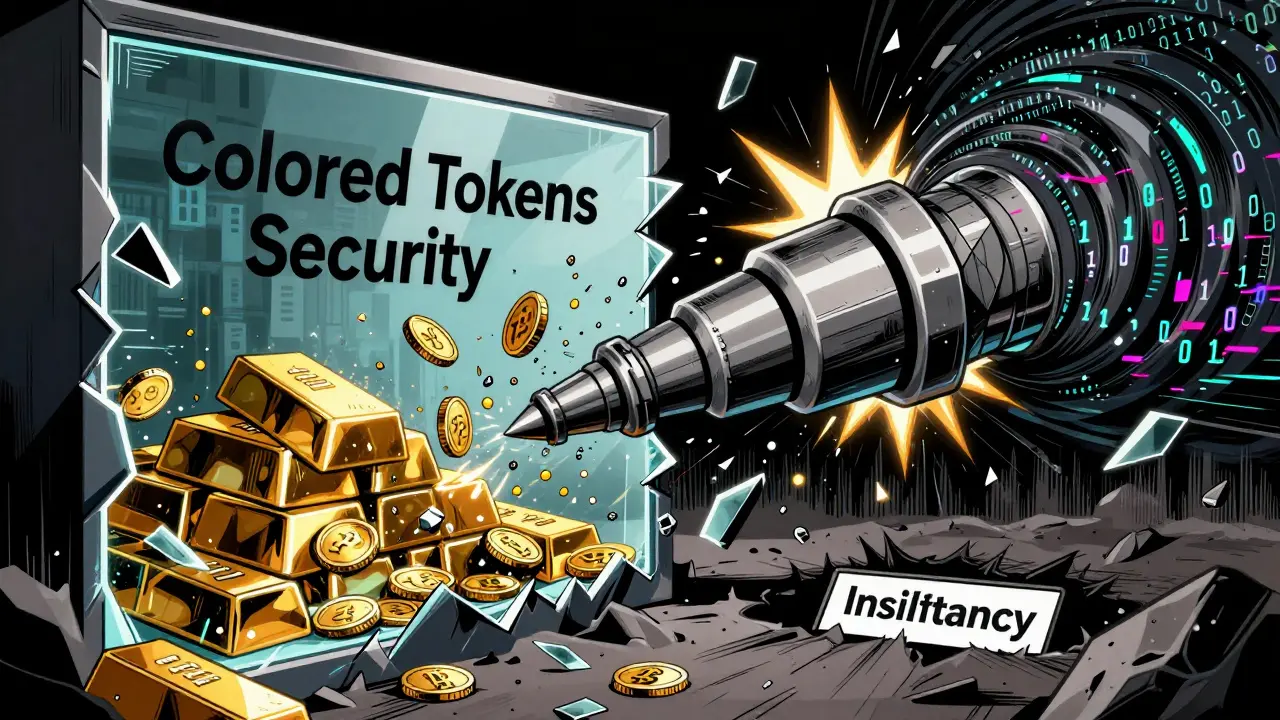
They also introduced a unique technology called "colored tokens." Instead of holding actual Bitcoin or Ethereum on their servers, Lykke issued colored tokens that represented those assets within their closed ecosystem. Their marketing claimed this was safer because if the exchange was hacked, the stolen tokens would be worthless outside the Lykke network. They promised to replace any lost tokens within two weeks. It sounded bulletproof on paper. But as we now know, theory rarely survives contact with reality.
The Catastrophic June 2024 Hack
The turning point came on June 4, 2024. A devastating cyberattack drained approximately $19.5 million (CHF 22.8 million) from Lykke’s wallets. This wasn’t a minor glitch; it represented roughly a quarter of the exchange’s total assets. Immediately after the attack, Lykke halted all withdrawals. Users logged in to find their accounts frozen, unable to move their funds to external wallets or bank accounts.
In October 2024, Lykke issued a confusing statement claiming their systems were ready for full operation and that they were deciding whether to continue operations. This gave false hope to many users. However, by November 2025, reports confirmed that Lykke had declared insolvency. The "colored token" safety net failed completely. The hackers didn’t just steal tokens; they exploited vulnerabilities in the underlying infrastructure, and the promised refunds never materialized. The proprietary Lykke coin (LKK), which was supposed to represent a share of the company, dropped to $0 by December 2024.
| Feature | Lykke Exchange (Defunct) | Binance / Coinbase (Active) |
|---|---|---|
| Status | Insolvent / Shut Down | Operational / Regulated |
| Trading Fees | 0% (Theoretical) | 0.04% - 0.1% |
| Liquidity | Very Low (Wide Spreads) | High (Tight Spreads) |
| Security Model | Colored Tokens (Failed) | Cold Storage + Insurance |
| User Fund Access | Blocked Since June 2024 | Available |
Why Liquidity Was Already a Problem
Even before the hack, Lykke struggled with a critical flaw: liquidity. Liquidity refers to how easily you can buy or sell an asset without affecting its price. Major exchanges like Binance have billions of dollars in daily volume, meaning you can sell large amounts instantly at fair prices. Lykke, however, had low trading volumes. This resulted in wide spreads-the difference between the buy and sell price. For active traders, these hidden costs often outweighed the benefit of zero commission fees. You might save on fees but lose more on the spread when executing trades.
Furthermore, the selection of cryptocurrencies was limited compared to giants like Kraken or Bitstamp. While Lykke offered fiat pairs and precious metals, which was unique, the core crypto market depth was shallow. This made the platform unsuitable for serious trading long before the security breach occurred.
User Experience: From Hype to Horror
In the early days, users praised Lykke’s mobile app for its clean design and intuitive navigation. The KYC (Know Your Customer) process was straightforward, requiring ID and proof of address, with verification taking 24-48 hours. Customer support was initially responsive, offering 24/7 live chat. However, as financial pressures mounted in 2023 and 2024, service quality degraded. Reports of API downtime and delayed fiat deposits became common.
After the June 2024 hack, the experience turned disastrous. Trustpilot and Reviews.io flooded with complaints. One verified user reported having Bitcoin stuck for over six months, stating, "Don't trade there or your funds may get trapped there too." Another user noted that customer support stopped providing human assistance, replacing it with automated responses that ignored specific queries about missing funds. The promise of a two-week refund window proved to be empty marketing talk.
Regulatory Red Flags
Lykke operated out of Switzerland, a jurisdiction often associated with strict financial oversight. However, critics pointed out that Lykke was not regulated by a financial authority with stringent standards for cryptocurrency exchanges. BrokerChooser explicitly warned against trusting Lykke with personal funds due to this regulatory gap. In the wake of the 2022-2023 market crashes, regulators worldwide tightened rules. Smaller exchanges like Lykke struggled to comply with evolving KYC/AML requirements across multiple jurisdictions, adding to their operational burden and contributing to their eventual failure.
What Happens Now? Recovery Chances
If you are a former Lykke user, the outlook is bleak. As of late 2025, Lykke is considered defunct. The company has been delisted from major data aggregators, indicating no active trading or operational status. There are no credible signs of revival. Legal proceedings regarding insolvency are likely ongoing, but recovering funds from a bankrupt exchange is notoriously difficult and rare. Users who filed complaints with third-party recovery services reported minimal success. The best course of action now is to accept the loss and focus on securing remaining assets elsewhere.
Safer Alternatives for Trading
Since Lykke is gone, where should you go? Stick to established, regulated platforms with proven track records. Look for exchanges that:
- Are publicly traded or heavily audited (e.g., Coinbase).
- Have transparent proof-of-reserves audits.
- Offer insurance for digital assets held in hot wallets.
- Have high liquidity to ensure fair pricing.
Platforms like Binance, Kraken, and Coinbase Pro may charge small fees, but they provide the security and reliability that Lykke lacked. Never let the allure of "zero fees" blind you to fundamental risks like poor security and low liquidity.
Is Lykke Exchange still operating in 2026?
No, Lykke Exchange is defunct. It declared insolvency following a major cyberattack in June 2024 and has been delisted from major crypto tracking platforms. Do not attempt to deposit funds.
Can I recover my funds from Lykke?
Recovery is highly unlikely. The exchange is insolvent, and previous promises of refunds were not honored. Most users have accepted their losses. Consult a legal expert if you have significant holdings, but expect little return.
What caused Lykke to fail?
A combination of a $19.5 million cyberattack, chronic liquidity issues, inadequate security measures, and lack of strict regulatory oversight led to its collapse and insolvency.
Was Lykke regulated?
While based in Switzerland, Lykke was not regulated by a financial authority with strict standards for crypto exchanges, which raised red flags among experts even before its collapse.
Are zero-fee exchanges safe?
Not necessarily. Zero fees often indicate low liquidity or hidden costs via wide spreads. Always prioritize security, regulation, and liquidity over fee structures when choosing an exchange.