


You’ve probably heard the hype about Kyo Finance V2 if you’re deep in the Soneium ecosystem trenches. But let’s be real-most reviews gloss over the gritty details that actually matter when you’re risking your own capital. Is this just another copy-paste Decentralized Exchange (DEX), or does it offer something genuinely useful for traders who hate paying high gas fees? The short answer is nuanced. Kyo Finance V2 isn’t trying to beat Uniswap on volume; it’s trying to fix a specific problem: fragmented liquidity and expensive transactions on emerging Layer-2 networks. If you are already holding assets on Soneium, this platform might save you money. If you aren’t, the learning curve might not be worth the jump.
| Metric | Kyo Finance V2 | Industry Standard (Top Tier) |
|---|---|---|
| Blockchain Network | Soneium | Ethereum, Arbitrum, Base |
| Tokenomics Model | ve(3,3) | Standard AMM / LP Tokens |
| Primary Feature | Batch Transactions | High Liquidity Depth |
| Asset Selection | Limited (~14 coins in V3) | Hundreds of Assets |
| User Verification | None (Non-custodial) | Varies (KYC often required) |
What Exactly Is Kyo Finance V2?
Kyo Finance V2 is a decentralized exchange built specifically for the Soneium blockchain network. Unlike centralized exchanges where you trust a company with your keys, here you trade directly from your wallet. It gained initial traction by winning the Soneium Spark Incubation program, which gave it some credibility among early adopters looking for vetted projects within that specific ecosystem. The core idea isn't to be the biggest exchange in the world, but to be the most efficient one for people already living on Soneium.
The platform uses an Automated Market Maker (AMM) model, meaning there’s no order book. Instead, you trade against a pool of tokens provided by other users. What sets it apart is its focus on efficiency. In many DeFi environments, doing three separate trades costs three times the gas fee. Kyo Finance V2 introduced batch transaction support, allowing you to bundle swaps, liquidity additions, and withdrawals into a single on-chain action. This is a game-changer for small traders who get eaten alive by network fees on congested chains.
The ve(3,3) Tokenomics Explained Simply
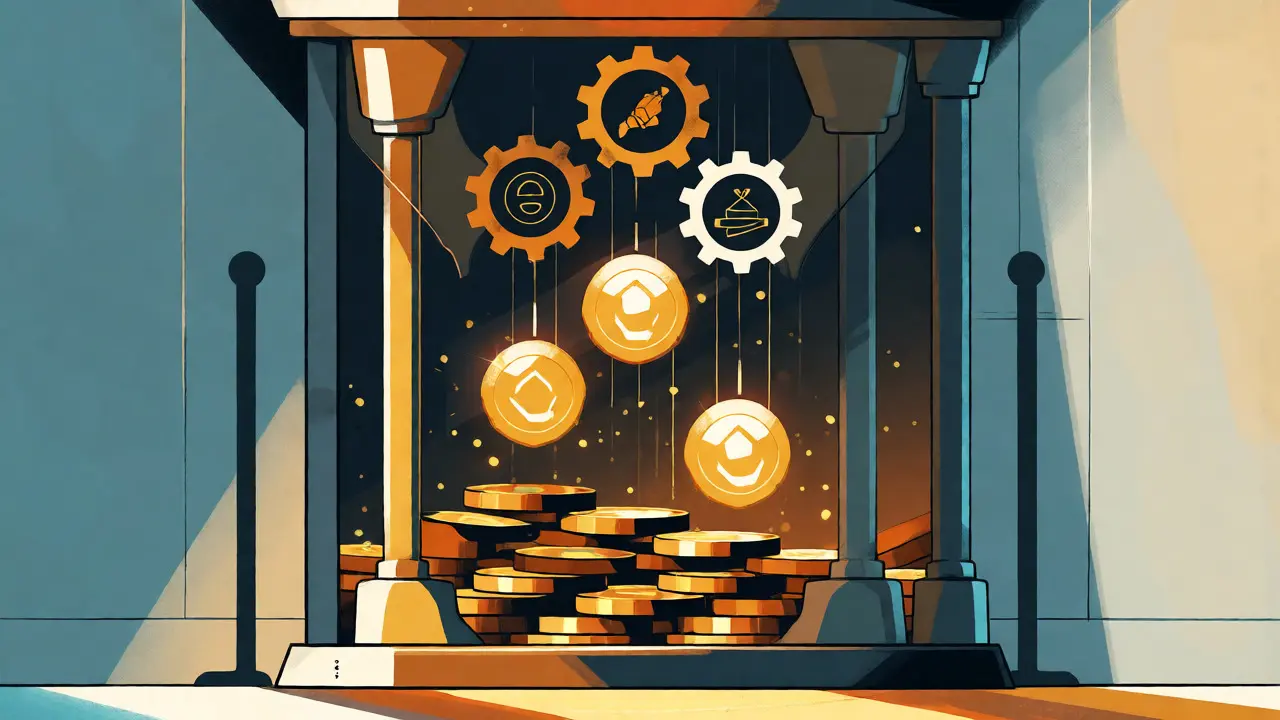
If you’ve spent any time in DeFi, you’ve likely seen the term "ve(3,3)." It sounds complex, but it’s really just a mechanism to reward loyalty. ve(3,3) stands for "Vote-Escrowed (3,3)." It’s a tokenomic design pattern that encourages long-term holding and active participation rather than quick flips. Here’s how it works in practice:
- Locking Tokens: You lock your governance tokens for a period ranging from one week to four years.
- Voting Power: The longer you lock, the more voting power you have over protocol incentives.
- Rewards Boost: Locked tokens earn higher yields from trading fees compared to unlocked ones.
This system creates a feedback loop. Long-term holders stabilize the supply, and the protocol directs trading fees toward pools that those voters choose. For a user, this means if you believe in the project’s future, locking up your tokens pays off significantly better than just swapping them out immediately. However, it also means your capital is illiquid during the lock-up period. Don’t put rent money into a four-year lock unless you’re sure you won’t need it.
Who Should Actually Use This Platform?
Let’s cut through the noise. Kyo Finance V2 is not for everyone. If you are a beginner looking for a simple interface like Coinbase, you will find this frustrating. There is no customer service hotline. If your transaction fails because you set the gas price wrong, you’re on your own with Discord community support.
Ideal User Profile:
- You already hold significant assets on the Soneium network.
- You execute multiple transactions frequently and want to save on gas.
- You are comfortable with Web3 wallets like MetaMask.
- You are speculating on potential future airdrops for early liquidity providers.
Poor Fit:
- You want to trade obscure altcoins not listed on Soneium.
- You prefer a fiat-on-ramp integrated directly into the app.
- You need guaranteed liquidity depth for large orders without slippage.
Pros and Cons: A Realistic Look
No platform is perfect, and ignoring the downsides is a quick way to lose money. Here is a balanced breakdown based on current performance data and user reports.
| Pros | Cons |
|---|---|
| Gas Efficiency: Batch transactions reduce costs significantly. | Limited Asset List: Only ~14 coins available in recent versions. |
| Incentive Structure: High rewards for locked liquidity providers. | Low Liquidity: Can suffer from high slippage on large trades. |
| Non-Custodial: You keep full control of your private keys. | Ecosystem Lock-in: Only works on Soneium; no cross-chain bridging built-in. |
| Airdrop Potential: Early users may qualify for token distributions. | Steep Learning Curve: Requires technical know-how to navigate properly. |
The liquidity issue is the elephant in the room. While the V3 iteration has seen increased volume, the V2 base layer still operates with relatively thin markets compared to giants like Uniswap. If you try to swap $10,000 worth of a smaller token, you might see a price impact of 2-5%, whereas on a major exchange, it might be under 0.1%. Always check the price impact warning before confirming a swap.

How to Get Started: Step-by-Step Guide
Getting started requires a few manual steps because this isn't a plug-and-play centralized app. Follow these instructions carefully to avoid losing funds due to network errors.
- Set Up Your Wallet: Install MetaMask or Rabby. Ensure you have ETH or the native Soneium token for gas fees.
- Add the Soneium Network: Manually add the Soneium chain parameters to your wallet. Do not rely on automatic detection if it’s new to you.
- Bridge Assets: Use a reputable bridge to move funds from Ethereum or another L2 to Soneium. Wait for confirmation; do not rush this step.
- Connect to Kyo Finance: Visit the official Kyo Finance website. Click "Connect Wallet" and approve the connection request.
- Select a Pool: Choose a trading pair with decent TVL (Total Value Locked). Avoid pairs with less than $10,000 in liquidity if you are trading more than $100.
- Execute Trade or Add Liquidity: Input amounts and review gas estimates. If using batch features, ensure all actions are selected before signing.
The Verdict: Is It Worth Your Time?
Kyo Finance V2 is a specialized tool, not a universal solution. It shines in its niche: reducing friction for Soneium-native traders. The ve(3,3) model is compelling if you plan to stay in the ecosystem for months or years. However, if you are just dipping your toes into DeFi, the limited asset selection and lack of educational resources make it a tough sell.
For now, treat it as a speculative play on the Soneium ecosystem’s growth. Keep your exposure manageable until the platform matures further. The transition to V3 shows development activity, which is a good sign, but always verify contract addresses and audit reports before depositing significant sums.
Is Kyo Finance V2 safe to use?
As a non-custodial DEX, you retain control of your funds, which reduces counterparty risk. However, smart contract risks remain. The project was incubated by Soneium, adding a layer of vetting, but always check for recent audits and never invest more than you can afford to lose in emerging DeFi protocols.
Does Kyo Finance require KYC verification?
No. Like most decentralized exchanges, Kyo Finance V2 is permissionless. You connect your Web3 wallet and start trading immediately without uploading ID documents or waiting for approval emails.
What is the benefit of the ve(3,3) model?
The ve(3,3) model rewards long-term commitment. By locking your tokens, you gain voting rights on where trading fees are distributed and receive boosted yield rates. This aligns user interests with the protocol's health, discouraging quick exits.
Can I withdraw my funds anytime?
You can withdraw traded assets instantly. However, if you have participated in liquidity mining or locked tokens via the ve(3,3) mechanism, your withdrawal timeline depends on the lock-up duration you chose. Early unlocking usually incurs a penalty.
Why is the asset selection so limited?
Kyo Finance V2 operates exclusively on the Soneium blockchain. It only lists tokens that have been bridged to this network. As Soneium grows, more projects will deploy their tokens here, gradually expanding the available trading pairs.