

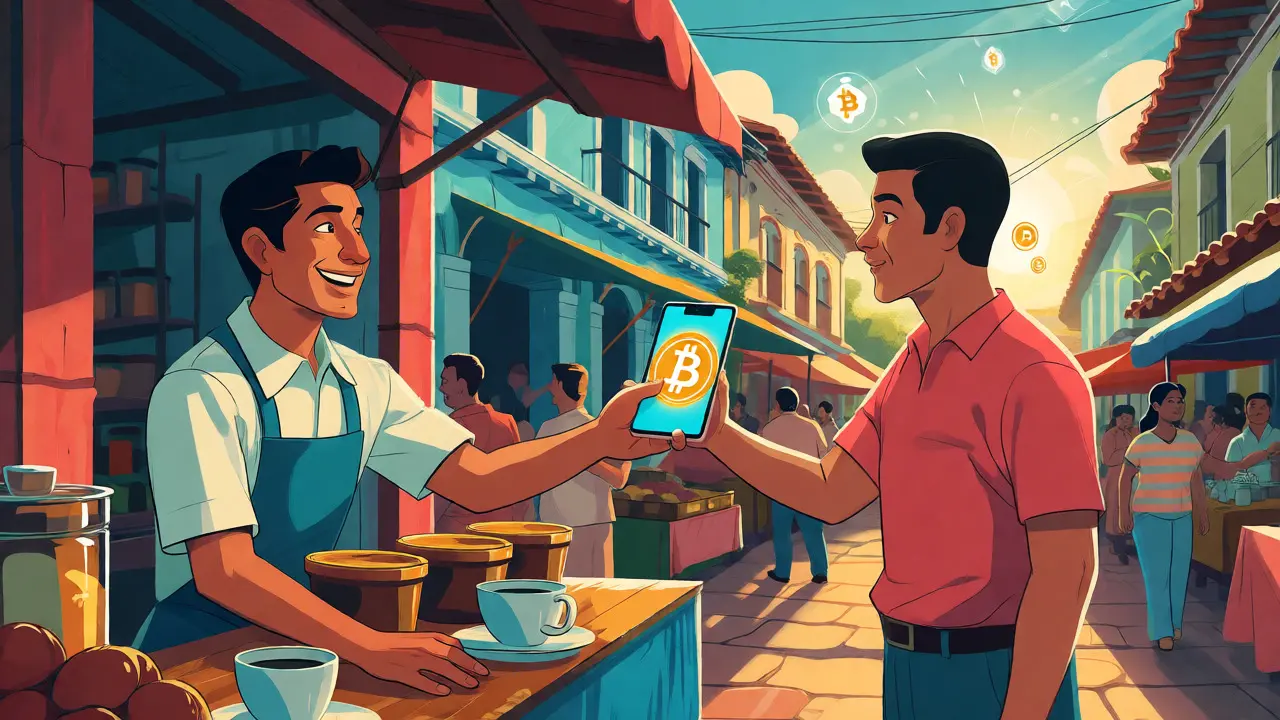
Imagine a country where you could buy your morning coffee with Bitcoin and pay rent in the same digital currency. For three years, that was reality in El Salvador. In September 2021, President Nayib Bukele made history by making Bitcoin legal tender, aiming to bank the unbanked and cut remittance fees for his 6.3 million citizens. But as of January 2025, the story has flipped. The government scrapped the mandatory acceptance rule to secure a $1.4 billion loan from the International Monetary Fund (IMF). So, did the experiment fail? Not exactly. While the legal mandate is gone, El Salvador still holds over 6,000 Bitcoin and remains a global hub for crypto innovation. This article breaks down what happened, why it changed, and what it means for the future of national crypto strategies.
The Original Vision: Banking the Unbanked
Before 2021, about 70% of El Salvador’s population had no access to traditional banking services. If you lived there and worked abroad, sending money home cost you up to 10-15% in fees through intermediaries like Western Union. Bukele’s pitch was simple: use Bitcoin as a borderless, low-cost alternative to the US dollar system. Since El Salvador already used the USD, adopting Bitcoin wasn’t just about speculation; it was an attempt to regain economic sovereignty. The logic held that if businesses accepted Bitcoin, merchants wouldn’t need expensive point-of-sale terminals, and users wouldn’t need bank accounts-just a smartphone and internet access.
To make this work, the government launched the Chivo Wallet, a state-sponsored app that allowed instant transactions via the Lightning Network. Every citizen who downloaded it received $30 in free Bitcoin. It was a brilliant marketing move that got people talking. However, getting people to talk about Bitcoin and getting them to actually spend it are two very different things. Early data showed high download rates but low daily transaction volumes. Most people treated the free Bitcoin like a lottery ticket rather than spending power.
Why the Mandate Collapsed: The IMF Pressure Cooker
You might wonder why a sovereign nation would reverse such a flagship policy. The answer lies in hard cash. By late 2024, El Salvador needed financial assistance to stabilize its economy. Enter the IMF, which offered a $1.4 billion program but attached strict strings. One major condition? Remove Bitcoin’s status as legal tender. The IMF argued that forcing private businesses to accept a volatile asset created unnecessary risk and complexity for small merchants. They weren’t necessarily against crypto itself-they were against the coercion.
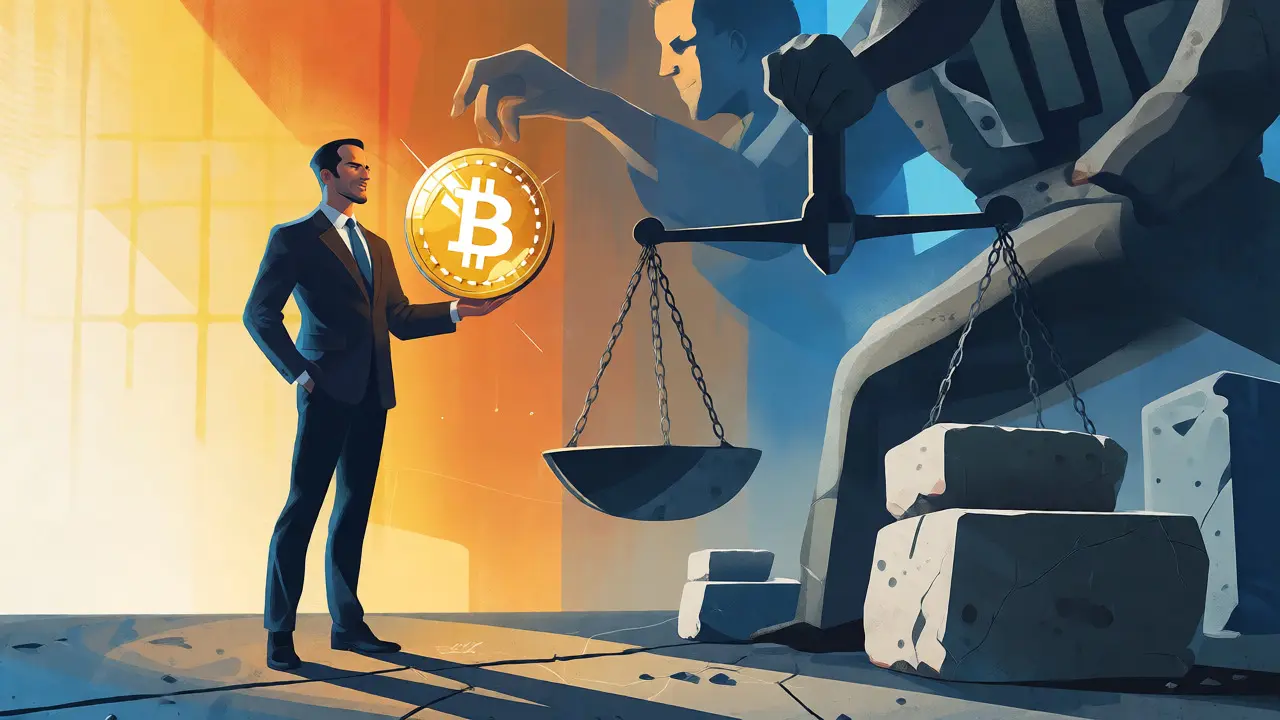
This wasn’t just theoretical advice. The threat of losing international credit ratings and higher borrowing costs forced Bukele’s hand. In January 2025, the National Assembly passed a reform abolishing the requirement for businesses to accept Bitcoin. Now, acceptance is voluntary. This shift highlights a critical lesson for any nation considering similar moves: global financial institutions hold significant leverage. You can innovate locally, but if you want to borrow on international markets, you often have to play by their rules.
Adoption Reality Check: Merchants vs. Users
Let’s look at the numbers, because they tell a nuanced story. By 2025, surveys indicated that 82% of small businesses in El Salvador were technically capable of accepting Bitcoin payments. That sounds like massive success, right? Not quite. Capability doesn’t equal usage. Data revealed that only about 1% of remittances-the primary target audience-actually flowed through the Chivo Wallet or Bitcoin channels. Most Salvadorans continued using traditional methods or other stablecoins.
Why the disconnect? Convenience and trust. For many locals, converting Bitcoin to dollars to buy groceries added an extra step. Plus, the volatility of Bitcoin meant that a payment received today could lose value tomorrow. While the Lightning Network solved speed issues, it didn’t solve the psychological barrier of holding a volatile asset for daily expenses. Interestingly, by 2022, more Salvadorans had Lightning wallets than traditional bank accounts. Infrastructure won, but behavior change lagged behind.
| Feature | 2021-2024 (Legal Tender Era) | 2025-Present (Voluntary Era) |
|---|---|---|
| Acceptance Status | Mandatory for most businesses | Voluntary / Optional |
| Primary Goal | Financial inclusion & remittance reduction | Reserve accumulation & tech hub branding |
| IMF Relationship | Tense / Conditional | Cooperative / Reform-aligned |
| Strategic Reserve | Active buying during dips | Continued accumulation (6,102+ BTC) |
| User Behavior | Speculative holding | Niche usage / Stablecoin preference |
The Strategic Bitcoin Reserve: A Long-Term Bet
Even though the day-to-day use case weakened, the government doubled down on holding Bitcoin as an asset. As of March 2025, El Salvador’s Strategic Bitcoin Reserve Fund held approximately 6,102 coins, valued at around $500 million. This isn’t just a hobby stash; it’s a deliberate treasury strategy. The idea is to diversify reserves away from pure US debt exposure. When the price drops, they buy more-a classic "dollar-cost averaging" approach applied at a national level.
Critics, including analysts from The Economist, called the broader experiment a failure due to limited real-world utility. But supporters argue that the reserve acts as a hedge against inflation and geopolitical shifts. Unlike fiat currencies, which can be printed endlessly, Bitcoin’s supply is capped at 21 million. For a small nation dependent on imports, holding a scarce digital asset offers a unique form of monetary insurance, even if citizens aren’t paying taxes in it anymore.

Beyond Legal Tender: The Tech Hub Ambition
If you think El Salvador gave up on crypto, think again. They just pivoted from being a "Bitcoin country" to being a "Crypto-friendly jurisdiction." The government continues to host major events like the PLANB Forum, attracting developers, investors, and blockchain startups from across Central America. The vision now centers on infrastructure: creating a regulatory sandbox that welcomes Web3 companies without forcing every taco stand to accept Satoshis.
Projects like the proposed "Bitcoin City" and "Volcano Bonds" faced delays, but the momentum for blockchain tourism and fintech development remains strong. The goal is to become the Silicon Valley of Central America, leveraging low energy costs for mining and a pro-crypto regulatory environment. This hybrid model-keeping the assets while dropping the mandate-might actually be more sustainable long-term. It allows the private sector to adopt crypto where it makes sense, rather than forcing a square peg into a round hole.
What This Means for Other Nations
El Salvador’s journey serves as a crucial case study for any government eyeing cryptocurrency integration. First, technical infrastructure is easier to build than cultural habits. You can roll out a wallet app in weeks, but changing how people think about money takes decades. Second, international finance politics matter. You cannot ignore the IMF or World Bank if you rely on foreign capital. Third, volatility is a killer for daily commerce. Stablecoins (cryptocurrencies pegged to the dollar) likely offer a better middle ground for everyday transactions than raw Bitcoin.
For now, El Salvador remains a fascinating paradox: a country that rejected mandatory Bitcoin usage but continues to buy more of it. It proves that national adoption isn’t binary-it’s a spectrum. Other nations watching closely will likely opt for regulated frameworks that encourage innovation without imposing rigid mandates. The era of forced adoption is over; the era of strategic integration has begun.
Is Bitcoin still legal tender in El Salvador?
No. As of January 2025, El Salvador abolished the mandatory legal tender status of Bitcoin to comply with IMF loan conditions. Businesses can still accept it voluntarily, but they are no longer required to do so.
Did El Salvador stop buying Bitcoin after the reforms?
No, the government continued to accumulate Bitcoin. By March 2025, the Strategic Bitcoin Reserve Fund held over 6,100 BTC, showing that the state views Bitcoin as a reserve asset rather than just a payment method.
How much did the Chivo Wallet impact remittances?
The impact was minimal compared to expectations. Despite widespread merchant acceptance, only about 1% of remittances utilized the Chivo Wallet or Bitcoin channels, indicating that most users preferred traditional banking or other digital methods.
Why did the IMF require El Salvador to drop legal tender status?
The IMF cited concerns over financial stability, consumer protection, and the risks associated with forcing private businesses to accept a highly volatile asset. Removing the mandate was a key condition for securing the $1.4 billion financial assistance package.
Are the Volcano Bonds still happening?
The original plan for $1 billion in Bitcoin-backed "Volcano Bonds" has faced significant delays and restructuring. While the concept remains part of El Salvador's long-term infrastructure financing strategy, immediate issuance has been paused pending market conditions and regulatory clarity.