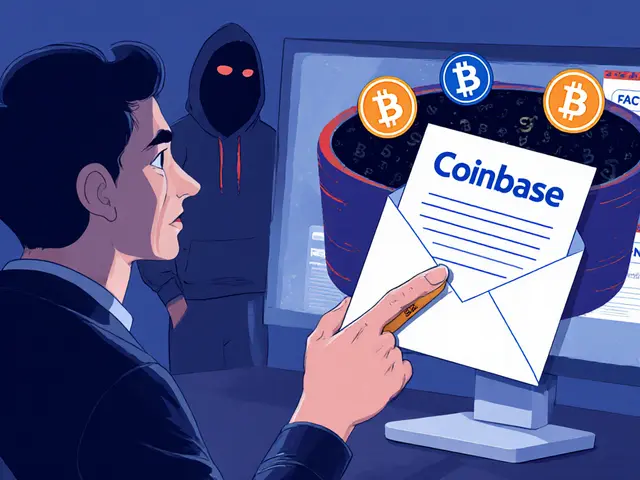


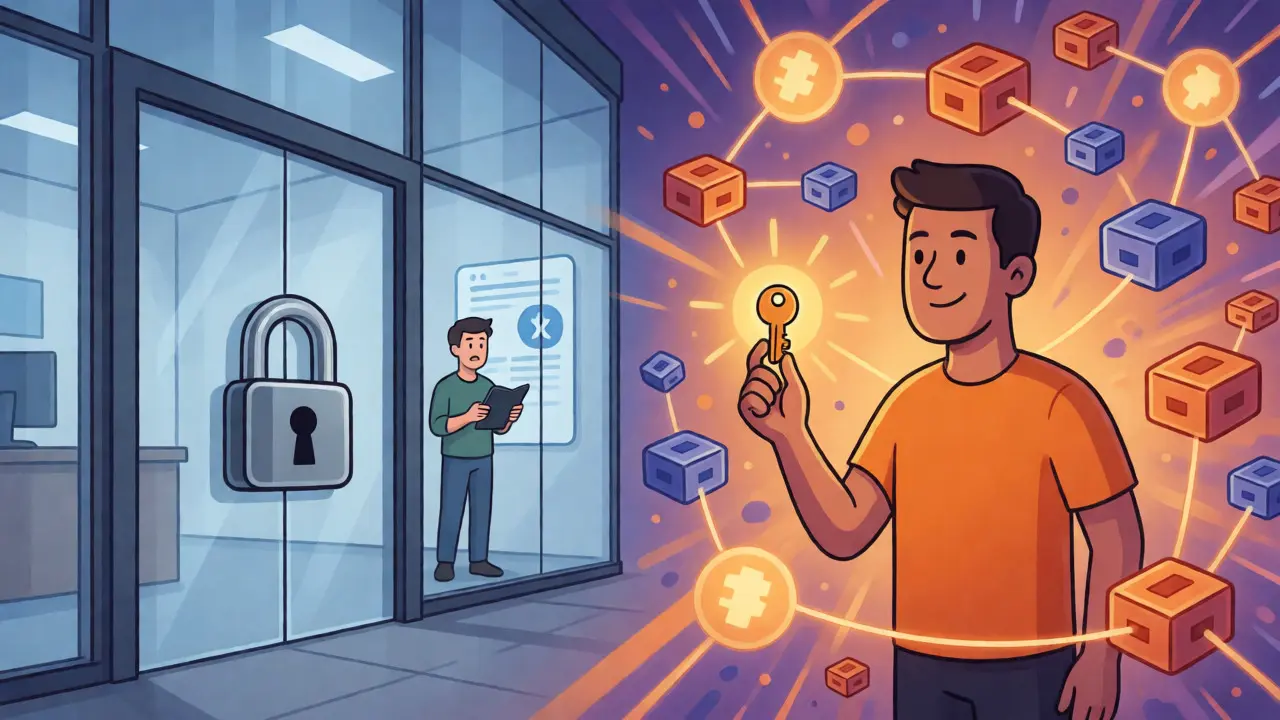
Imagine you spent hours minting a rare digital collectible. You list it on the biggest platform in town, and suddenly, your account is frozen. No warning, no appeal, just silence. This isn't a hypothetical horror story; it’s the daily reality for users of centralized NFT marketplaces. While they offer slick interfaces and instant support, they hand over control to a single company. On the flip side, decentralized NFT marketplaces promise true ownership but often come with a steep learning curve and buggy interfaces. So, which model actually protects your assets and your wallet?
This article breaks down the real-world differences between these two worlds. We aren't just talking about buzzwords like "Web3" or "trustless." We're looking at fees, security risks, user experience, and what happens when things go wrong. By the end, you'll know exactly which type of marketplace fits your trading style.
The Core Difference: Who Holds the Keys?
At its heart, the debate is about custody and control. A centralized NFT marketplace operates like Amazon or eBay. A single company runs the servers, processes the transactions, and holds your data. Think of platforms like OpenSea or Coinbase NFT. They use traditional server infrastructure to match buyers and sellers quickly. The speed is undeniable-transactions feel instant because the company handles the heavy lifting off-chain before settling on the blockchain.
In contrast, a decentralized NFT marketplace uses smart contracts deployed directly on the blockchain. There is no CEO deciding who gets banned. Instead, code rules the roost. Platforms like Blur (in its early iterations) or Rarible rely on distributed networks of nodes. When you trade here, you interact directly with the contract using your own wallet, like MetaMask. You keep custody of your private keys throughout the process. If the website goes down, the smart contract still lives on the blockchain, ready for anyone to access via a different interface.
| Feature | Centralized (e.g., OpenSea) | Decentralized (e.g., Pure DEXs) |
|---|---|---|
| Custody | Platform often holds listing rights or escrow | User retains full custody via wallet |
| Fees | High (2-5% typical) | Lower (0.1-1% + gas fees) |
| Speed | Instant UI feedback | Dependent on network congestion |
| Support | Human customer service available | Community forums or none |
| Risk | Censorship, account bans | Smart contract bugs, phishing |
Why Centralized Platforms Still Dominate
If decentralization is so good, why does OpenSea still hold the lion's share of volume? Simple: convenience. Most people don't want to understand gas fees, slippage, or how to revoke token approvals. Centralized platforms hide this complexity. They offer features that feel familiar, like shopping carts, saved payment methods, and searchable databases that load instantly.
For beginners, the barrier to entry is low. You sign up with an email, link a credit card, and buy art. The platform handles the blockchain interaction behind the scenes. This frictionless experience has driven massive adoption. In fact, centralized hubs have facilitated billions in sales by making NFTs accessible to non-crypto natives. But this ease comes at a cost. You are trusting the platform not to rug-pull you, not to change the fee structure overnight, and not to censor your content based on their internal policies.
The Hidden Risks of Centralization
Let's talk about the elephant in the room: censorship. Because centralized platforms run on traditional servers, they can remove listings or ban users easily. Remember when certain political NFTs were delisted? Or when accounts were frozen during regulatory crackdowns? Your asset might be safe on the blockchain, but your ability to sell it on the main stage vanishes.
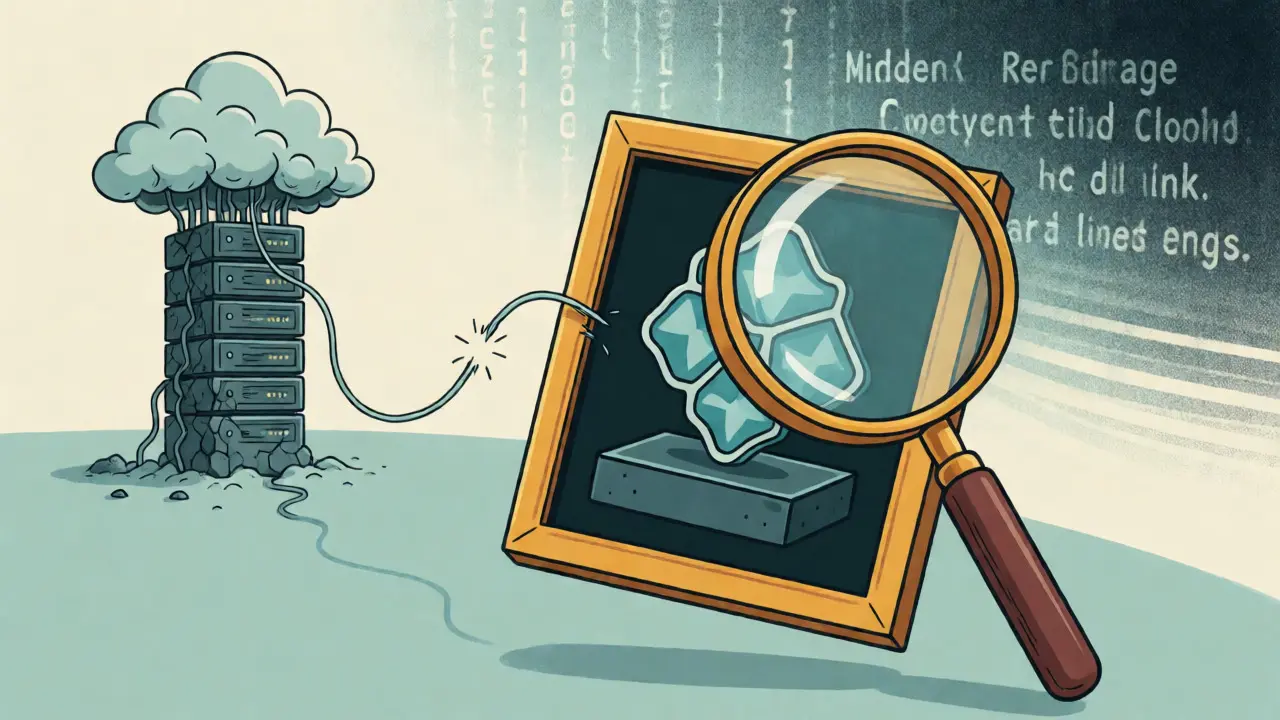
Then there's the issue of metadata storage. This is a critical vulnerability often overlooked. Even if the marketplace is "decentralized," the image file itself is often stored on centralized servers like AWS. If those servers go down or the company decides to stop hosting your image, your NFT becomes a broken link. True decentralization requires storing media on systems like IPFS or Arweave, but many hybrid platforms skip this step to save costs. Always check where the actual image lives, not just where the token exists.
Decentralized Marketplaces: Freedom with Friction
Decentralized exchanges (DEXs) flip the script. You trade peer-to-peer without an intermediary taking a cut for profit. Fees are lower because liquidity providers, not shareholders, get paid. For active traders, saving 2% on every flip adds up fast. Plus, privacy is better. You don't need to upload your passport for KYC checks unless you're cashing out to fiat through a specific gateway.
However, the user experience can be rough. Interfaces are often clunky. Transactions take time as they wait for block confirmations. If you send tokens to the wrong address or approve a malicious contract, there's no support team to call. You are your own bank, and mistakes are permanent. This environment suits tech-savvy users who prioritize sovereignty over convenience. It also aligns with the original ethos of blockchain: removing middlemen entirely.
Security: Single Points of Failure vs. Code Vulnerabilities
Security looks different in each camp. Centralized platforms face concentrated risk. One hack on their database can leak millions of emails and passwords. If their API goes down, trading halts globally. Regulatory actions can shut them down overnight, as seen with various crypto exchanges facing SEC scrutiny.
Decentralized platforms distribute this risk. If one node fails, others keep running. But they introduce smart contract vulnerabilities. If the code has a bug, hackers can drain funds from the pool. Unlike centralized platforms, there's no insurance fund to bail you out. You must audit the contract yourself or trust a third-party auditor. Phishing attacks are also more prevalent because users interact directly with complex signing prompts. Reading transaction details carefully is not optional-it's survival.

The Future Is Hybrid
We aren't moving toward pure centralization or pure decentralization. The industry is converging on hybrid models. Projects now launch their own white-labeled marketplaces, combining the brand control of a centralized site with the backend logic of smart contracts. Improved Layer 2 scaling solutions like Polygon or Arbitrum are reducing gas fees, making decentralized trading cheaper and faster.
Storage solutions are improving too. More projects are migrating images to decentralized storage networks, ensuring that even if the frontend disappears, the art remains accessible. As tools become more user-friendly, the gap in usability narrows. Wallets are getting smarter, handling approvals and signatures with clearer warnings. The future likely belongs to platforms that offer the ease of centralized UX with the trustlessness of decentralized settlement.
Which Should You Choose?
Pick centralized if you value speed, support, and simplicity. It's best for casual collectors who want to browse and buy without technical headaches. Pick decentralized if you prioritize low fees, privacy, and absolute control over your assets. It's ideal for traders who execute high volumes and understand blockchain mechanics.
Don't put all your eggs in one basket. Keep long-term holdings in cold storage. Use centralized platforms for discovery and quick flips. Use decentralized protocols for large trades where fee savings matter most. Stay aware of the risks in both camps, and always verify the source of the metadata.
Are decentralized NFT marketplaces safer than centralized ones?
It depends on your definition of safety. Decentralized marketplaces eliminate counterparty risk-you don't trust a company to hold your funds. However, they introduce smart contract risk. If the code has a bug, funds can be lost permanently. Centralized platforms carry custodial risk; if the company is hacked or insolvent, your assets could be compromised. Neither is inherently "safer," but decentralized options give you more control over recovery and prevention.
Why are fees higher on centralized NFT marketplaces?
Centralized platforms charge higher fees to cover operational costs like server maintenance, customer support teams, marketing, and profit margins for shareholders. Decentralized platforms typically have lower fees because they only need to pay network validators (gas fees) and small incentives to liquidity providers or protocol developers. The absence of a corporate overhead allows decentralized exchanges to pass savings directly to users.
Can I lose my NFT if a centralized marketplace shuts down?
No, you won't lose the NFT itself because it resides on the blockchain, not on the marketplace's servers. However, you might lose access to the platform's specific features, such as curated collections, analytics, or easy resale options. You would need to transfer the NFT to another marketplace or wallet to continue trading. The asset survives, but the utility provided by the platform disappears.
What is the biggest hidden risk in both types of marketplaces?
Metadata centralization is the biggest shared risk. Many NFTs store their image and description files on centralized servers (like AWS or Google Cloud). If these servers fail or the host changes terms, the visual component of your NFT may disappear, leaving you with a blank token. To mitigate this, look for projects that store media on decentralized networks like IPFS or Arweave.
Do I need to know coding to use a decentralized marketplace?
You don't need to write code, but you do need to understand basic blockchain concepts. You should know how to connect a wallet, read transaction hashes, manage gas fees, and revoke token approvals. Misunderstanding these steps can lead to lost funds. Modern wallets are improving this experience, but a basic level of technical literacy is still required compared to the email-and-password login of centralized sites.
- Poplular Tags
- NFT marketplace
- decentralized exchange
- OpenSea
- smart contracts
- blockchain