


Imagine trying to buy Bitcoin with Singapore Dollars or Canadian Dollars without jumping through a dozen hoops. You want speed, you want regulation, and you don't want to lose your shirt to hidden fees. That’s the promise of Coinut, a Singapore-based cryptocurrency exchange founded in 2013 that offers fiat on-ramps and leverage trading under strict regulatory oversight. But does it actually deliver? With only six cryptocurrencies available, it’s not the place for altcoin hoarders. Yet, for traders in Canada and Singapore who prioritize security and legal compliance over having 500 different meme coins, Coinut might be exactly what you’re looking for.
Quick Summary / Key Takeaways
- Regulatory Safety: Coinut is regulated by Canada’s FINTRAC and Switzerland’s VQF, offering Tier-1 level security oversight.
- Limited Asset Selection: The platform supports only 6 major cryptocurrencies (BTC, ETH, LTC, etc.), making it unsuitable for diversification across hundreds of altcoins.
- Fiat Integration: Strong support for CAD, USD, SGD, and 9 other fiat currencies, ideal for local bank transfers.
- Leverage Trading: Offers up to 10x leverage, a feature often missing from strictly regulated retail exchanges.
- Niche Appeal: Best for beginners and conservative investors in specific regions; not for high-frequency traders needing deep liquidity.
Who Is Coinut And Why Does It Exist?
Founded back in 2013 by Xinxi Wang, a developer involved with Litecoin Core, and Tao Huang, Coinut (formally COIN Ultimate Trading) has survived the brutal volatility of the crypto market longer than most. While many early exchanges like Mt. Gox collapsed, Coinut stayed operational. It operates physically in Singapore, Canada, and Switzerland. This isn’t just a website floating in the cloud; it’s a business with brick-and-mortar presence, which adds a layer of accountability rarely seen in the decentralized finance world.
Their main pitch is simple: provide a safe, regulated environment where you can trade major cryptocurrencies using traditional money. If you are tired of sending wire transfers to offshore accounts with no recourse if something goes wrong, this focus on jurisdictional compliance is their biggest selling point. They target both retail users who want to dip their toes in and institutional players who need a compliant venue for larger trades.
Security And Regulation: The Strong Suit
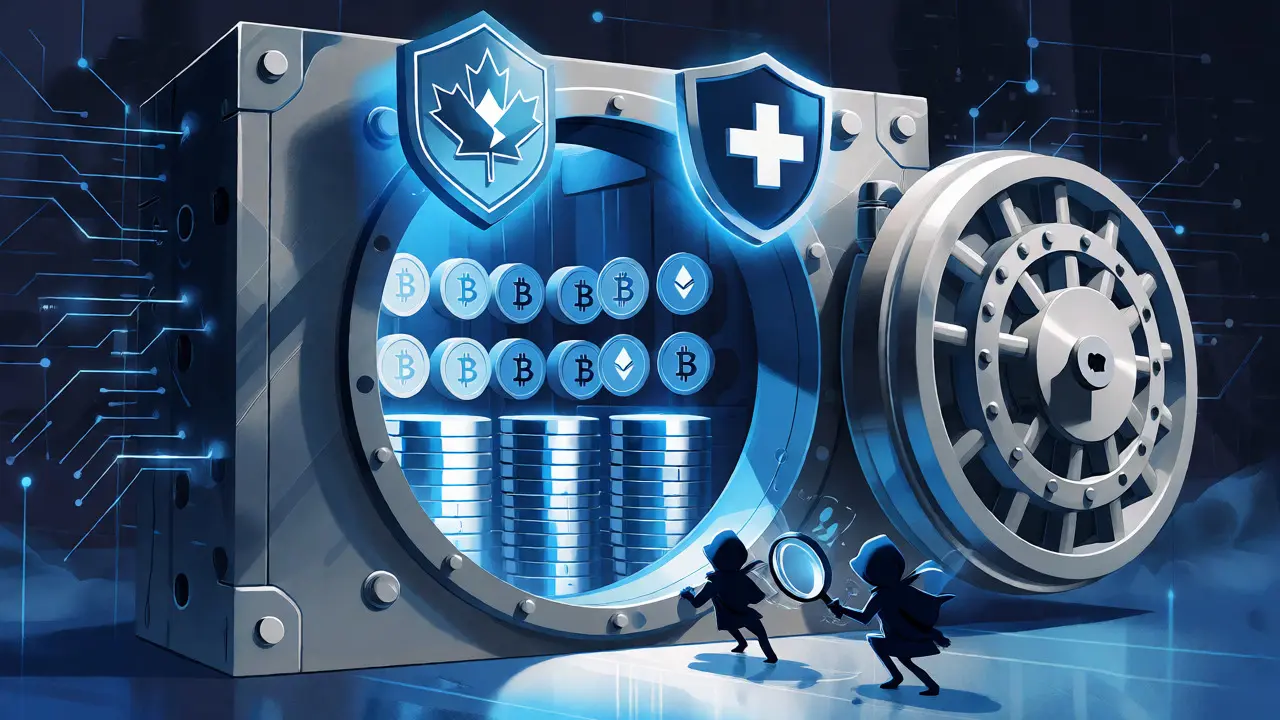
If safety is your top priority, Coinut scores highly. It holds a Money Services Business (MSB) license from Canada’s Financial Transactions and Reports Analysis Centre (FINTRAC). In Europe, it complies with the Swiss self-regulatory organization VQF. These aren’t just stickers on a homepage; they mean regular audits and adherence to anti-money laundering laws.
Technically, the security infrastructure is solid. About 95% of user assets are stored in cold wallets, meaning they are offline and harder for hackers to access. Two-factor authentication (2FA) is mandatory, adding another barrier against unauthorized access. Notably, there is no record of successful hacks in Coinut’s history. However, unlike some competitors like OKX, Coinut does not have an investor protection fund. So, while the risk of theft is low, you don’t have a dedicated insurance pool backing your holdings if a catastrophic failure occurs.
| Feature | Coinut | Binance | Kraken |
|---|---|---|---|
| Primary Regulator | FINTRAC (Canada), VQF (Switzerland) | Various global licenses | FinCEN (US), FCA (UK) |
| Cold Storage % | 95% | ~95% | ~95% |
| Hack History | No successful hacks | Major hack in 2019 | Minor incidents |
| Investor Protection Fund | No | Yes (SAFU) | No |
Trading Fees And Costs: Are They Really Low?
Coinut claims to have the lowest fees in the industry. Let’s be real here: they are competitive, but "lowest" is a stretch. The standard taker fee is 0.10%. For comparison, giants like Bybit often offer maker rebates, effectively paying you to provide liquidity. Traders Union rated Coinut’s fee structure at 7.75 out of 10, calling it "reasonable" rather than unbeatable.
One nice perk is that crypto swaps within the platform often come with zero commissions. If you are moving between supported assets like Bitcoin and Ethereum, you save on transaction costs. However, remember that spread and slippage can eat into profits, especially since the order book depth is thinner than on major exchanges. Always check the actual execution price before hitting buy.
Asset Selection And Leverage Options
Here is the deal-breaker for many: Coinut lists only 6 cryptocurrencies. We are talking about the heavy hitters-Bitcoin, Ethereum, Litecoin, and a few others. If you are hunting for the next Solana killer or obscure DeFi token, you will be disappointed. This limited selection keeps the platform streamlined and reduces the risk of listing scammy tokens, but it restricts portfolio diversity.
On the flip side, Coinut offers leverage up to 10x. This is significant because many strictly regulated platforms cap leverage at lower levels or ban it entirely for retail users. For experienced traders who understand margin calls, this allows for amplified positions. Just remember: leverage cuts both ways. A 10% move against you wipes out your capital.
User Experience And Customer Support
The interface is clean but defaults to Chinese. Don’t panic-there is an English toggle in the top right corner. Once switched, the platform is straightforward. New users get access to an education center with video tutorials and glossaries, which is great for beginners learning how spot trading works.
However, customer support is a weak point. Reviews consistently mention limited channels. You get email and live chat, but no phone support. Response times can vary, with some users reporting delays during peak hours. Since the user base is smaller, the community resources are thin. There is no active Reddit subreddit dedicated solely to Coinut, so troubleshooting issues often requires digging through general crypto forums.
Deposit And Withdrawal Realities
Coinut shines when it comes to fiat currency integration. Supporting 9 fiat currencies, including CAD, USD, and SGD, makes banking easy for locals. Deposits via bank transfer are generally smooth. However, withdrawals can be slower. Some users in Singapore reported processing times of 3-5 business days for fiat withdrawals, which is slower than local peer-to-peer options or instant card withdrawals found elsewhere.
Minimum trade size is $10, which is accessible for small investors. But keep in mind network fees for crypto withdrawals depend on the blockchain congestion, not just Coinut’s policy. During high-traffic periods, withdrawing Bitcoin might cost more than expected.
Verdict: Who Should Use Coinut?
Coinut is not for everyone. It is a niche player ranked around #565 on CoinMarketCap, far behind leaders like Binance or Coinbase. But being small has advantages.
You should use Coinut if:
- You live in Canada, Singapore, or Switzerland and value local regulatory compliance.
- You prefer trading major assets with fiat deposits directly from your bank account.
- You want moderate leverage (up to 10x) on a regulated platform.
- You prioritize security and longevity over having hundreds of altcoins.
You should avoid Coinut if:
- You are a US resident (regulatory status is murky, and state laws vary).
- You need access to emerging altcoins and NFTs.
- You require instant customer service via phone.
- You are a high-frequency trader needing massive liquidity.
Is Coinut safe to use in 2026?
Yes, Coinut is considered safe due to its regulation by FINTRAC in Canada and VQF in Switzerland. It stores 95% of assets in cold storage and has no history of successful hacks. However, it lacks an investor protection fund, so users bear the risk of platform insolvency.
What cryptocurrencies can I trade on Coinut?
Coinut currently supports only 6 major cryptocurrencies, including Bitcoin (BTC), Ethereum (ETH), and Litecoin (LTC). It does not list minor altcoins, making it suitable for conservative investors focused on established digital assets.
Does Coinut support USD and SGD deposits?
Yes, Coinut supports 9 fiat currencies, including USD, CAD, and SGD. This allows users in North America and Asia to deposit funds directly from their local bank accounts without needing third-party conversion services.
Can US citizens use Coinut?
While Coinut accepts US users, it is not regulated by US authorities like the SEC or FinCEN. Availability may vary by state due to local regulations. US residents should conduct independent assessments regarding tax implications and regulatory risks before signing up.
How long do withdrawals take on Coinut?
Crypto withdrawals are usually processed quickly, depending on network congestion. Fiat withdrawals can take 3-5 business days, which is slower than some competitors. Verification processes for new accounts typically take 24-48 hours.