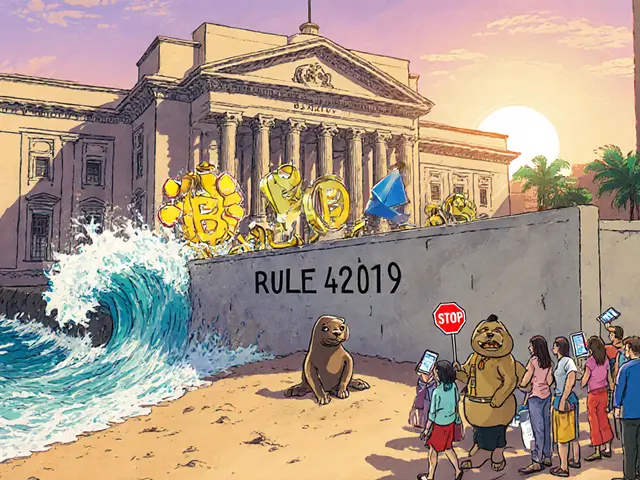



Imagine handing over your life savings to a broker who promises high returns, only to find out later that the "broker" was actually a shell company run by siblings with no regulatory oversight. That is the reality for many investors who interacted with CointradeCX. While it markets itself as a secure haven for privacy-focused traders, a closer look reveals a platform deeply entangled with legal controversies and regulatory voids.
If you are looking for a standard crypto exchange review, you might be surprised. Most reviews focus on user interface or API speed. But with CointradeCX, those details matter less than one critical question: Can you trust them with your money? This article breaks down the history, the risks, and the practical realities of using this Uruguayan-registered, Brazil-targeting exchange.
The Origin Story: From Sibling Venture to Legal Battleground
CointradeCX didn't start as a tech giant. It was founded in 2018 by siblings Eliane Medeiros and Antônio Marcos Medeiros. They registered the company in Uruguay, not Brazil, despite targeting Brazilian customers. Why does this matter? Because it allowed them to bypass strict local financial regulations.
Initially, the platform gained traction by offering something rare at the time: non-KYC trading. Users could trade Bitcoin and altcoins without uploading passports, selfies, or proof of address. For privacy advocates, this was a dream come true. By December 2019, CointradeCX was even leading daily Bitcoin volume in Brazil, surpassing 200 BTC traded in a single day.
But behind the scenes, trouble was brewing. The founders sold shares in their new venture to Brazilian investors, promising fixed monthly returns of around US$299. Critics and later court documents described this structure as resembling a pyramid scheme rather than a legitimate equity investment. Funds raised from these share sales-estimated at R$500,000-were allegedly diverted to personal assets like real estate and cars, rather than being reinvested into the exchange’s infrastructure.
Regulatory Red Flags and Legal Controversies
If you check major risk-rating platforms like Wikibit, you will see a stark warning: CointradeCX has no valid regulation. This isn't just a minor oversight; it means there is no central bank or financial authority overseeing how they hold customer funds.
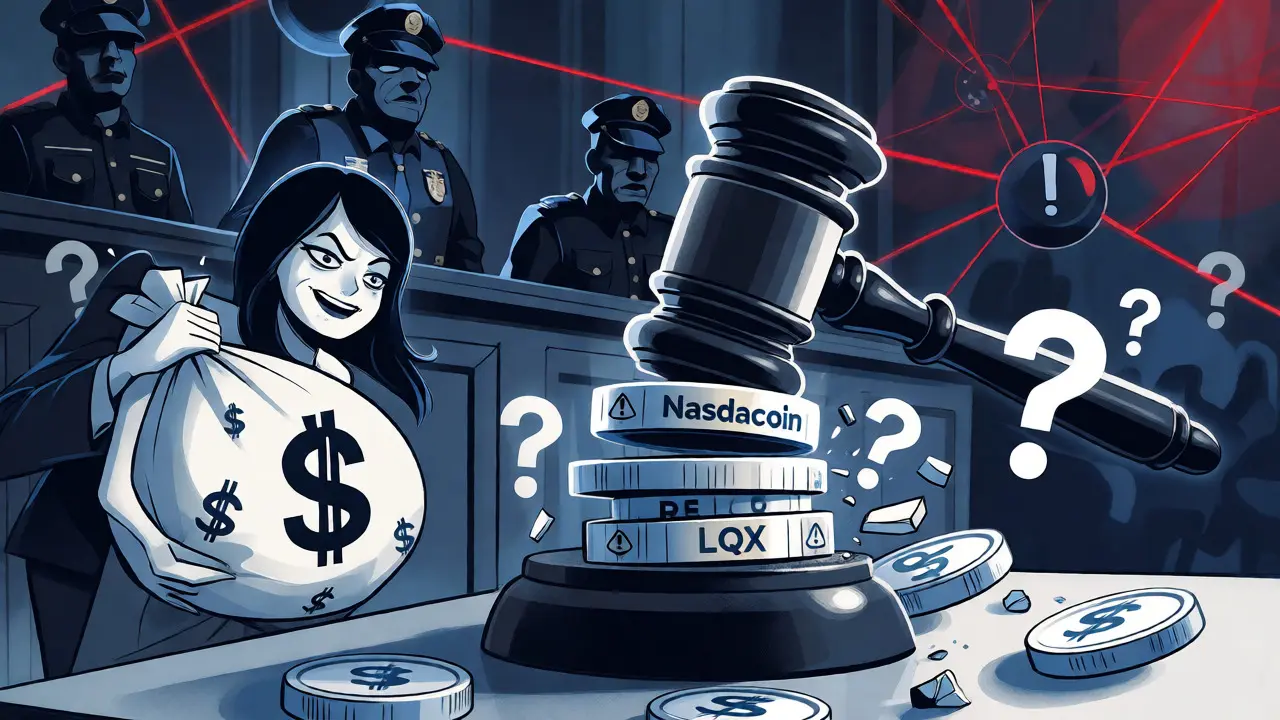
The situation escalated significantly due to its connection with GAS Consultoria, a massive Ponzi scheme in Brazil. Federal Police investigations linked Eliane Medeiros directly to the flow of illicit funds. In January 2024, she was arrested preventively as part of an operation dismantling a criminal organization responsible for billions of reais in frauds. Investigators claimed she used CointradeCX as a brokerage through which R$324 million were transacted.
Furthermore, the exchange listed tokens associated with failed projects, such as Nasdacoin and LQX (a token representing debt from the Credminer scam). Listing these tokens gave questionable projects a veneer of legitimacy, allowing investors to trade away their losses while potentially hiding the underlying fraud.
Platform Features and User Experience
Setting aside the legal drama, what is it actually like to use CointradeCX? The platform operates as a centralized, order-book style exchange. This means you see buy and sell orders on a chart, similar to Binance or Coinbase Pro. It is designed for active traders who want tools like limit orders, stop-losses, and technical analysis charts.
The standout feature remains its privacy model. You do not need to submit KYC documents to start trading. This reduces friction for new users who value anonymity. However, this lack of identity verification cuts both ways. Without KYC, if your account gets flagged for suspicious activity, you may face difficulties proving ownership or recovering funds.
For developers, CointradeCX offers API access. Third-party tools like Coinsamba have created connectors to pull ticker data from the exchange. This suggests that while the retail interface might be basic, the backend supports programmatic trading strategies. If you are building a bot, you can fetch all tickers using methods like `getAllTickers`.
Fees and Costs: What Will You Pay?
Trading costs are crucial for profitability. Based on historical data from 2020, which remains the most documented period for specific fee structures, here is what you faced:
| Fee Type | Cost | Notes |
|---|---|---|
| Maker Order | 0.25% | Standard industry rate at the time |
| Taker Order | 0.25% | Same as maker |
| BRL Deposit | 0.90% | Higher than average |
| BRL Withdrawal | 0.9% + R$10.90 | Fixed surcharge hurts small withdrawals |
| BTC Withdrawal | 0.0005 BTC | Network dependent |
The fixed R$10.90 surcharge on BRL withdrawals is a pain point for small investors. If you are moving R$100, that fee eats up more than 10% of your capital immediately. Always calculate your net profit after fees before executing trades.

Is CointradeCX Safe? The Verdict
Safety in crypto is usually about two things: technical security (hack-proof servers) and institutional trust (regulation). CointradeCX scores poorly on the second metric. There is no insurance fund mentioned, no cold storage audits published recently, and no regulatory license from a reputable jurisdiction like the EU, US, or Singapore.
The arrest of its founder and the ongoing lawsuits suggest governance issues. When the people running the exchange are under investigation for fraud, the risk of insolvency or frozen assets increases dramatically. You are essentially betting on the integrity of individuals rather than the robustness of a regulated institution.
That said, some users still prefer it for quick, private swaps of niche altcoins that aren't listed on major exchanges. If you choose to use it, treat it as a high-risk venue. Do not store large amounts of capital on the platform longer than necessary. Move profits to a hardware wallet immediately.
Key Takeaways
- No Regulation: CointradeCX lacks valid regulatory oversight, increasing counterparty risk.
- Legal History: Founders faced arrest and indictment related to the GAS Consultoria pyramid scheme.
- Privacy First: Offers non-KYC trading, appealing to privacy-focused users but reducing accountability.
- Fee Warning: Fixed withdrawal fees can make small transactions expensive.
- High Risk: Suitable only for experienced traders willing to accept significant operational and legal risks.
Is CointradeCX regulated?
No, as of 2026, CointradeCX does not have valid regulation from major financial authorities. It is domiciled in Uruguay but targets Brazilian clients, operating in a regulatory gray area.
Does CointradeCX require KYC?
No, CointradeCX promotes a non-KYC model. Users can typically register and trade without submitting identity documents, proofs of residence, or selfies, though this may change depending on current compliance policies.
What happened to the founders of CointradeCX?
Founder Eliane Medeiros was arrested preventively in 2024 in connection with the GAS Consultoria fraud case. She was indicted for allegedly facilitating the movement of R$324 million in illicit funds through her brokerage.
Are CointradeCX fees competitive?
Trading fees are standard at 0.25%, but fiat withdrawal fees include a fixed surcharge (e.g., R$10.90) which makes small withdrawals disproportionately expensive compared to competitors.
Can I trust CointradeCX with large investments?
Due to the lack of regulation and past legal controversies involving its owners, most experts advise against keeping large sums on CointradeCX. It is better suited for small, speculative trades where you can afford to lose the capital.