

You don’t need a degree in finance to know that BitMEX is a cryptocurrency derivatives exchange known for high-leverage trading and the pioneering of perpetual swaps. But you do need to know if it’s still worth your time in 2026. The platform has survived regulatory crackdowns, shifted its business model, and kept millions of traders coming back. Why? Because when it comes to Bitcoin futures liquidity, few places match its depth. But is it right for you? That depends entirely on what kind of trader you are-and where you live.
If you’re looking for a simple place to buy Bitcoin and hold it, stop reading now. BitMEX isn’t for beginners or long-term holders who want ease of use. It’s built for active traders who understand margin, leverage, and risk management. This review breaks down exactly what BitMEX offers today, how it compares to competitors, and whether you should trust your capital with them after their controversial past.
The Core Problem: Who Actually Needs BitMEX?
Let’s get one thing straight: BitMEX is not a general-purpose crypto exchange like Coinbase or Binance. It started as a niche platform for professional derivatives traders and largely remains that way. The central entity here is XBTUSD perpetual swap, which is a derivative contract that allows traders to bet on the price of Bitcoin without owning it, using US dollars as collateral reference. This product became so popular that it remains one of the most traded crypto instruments globally.
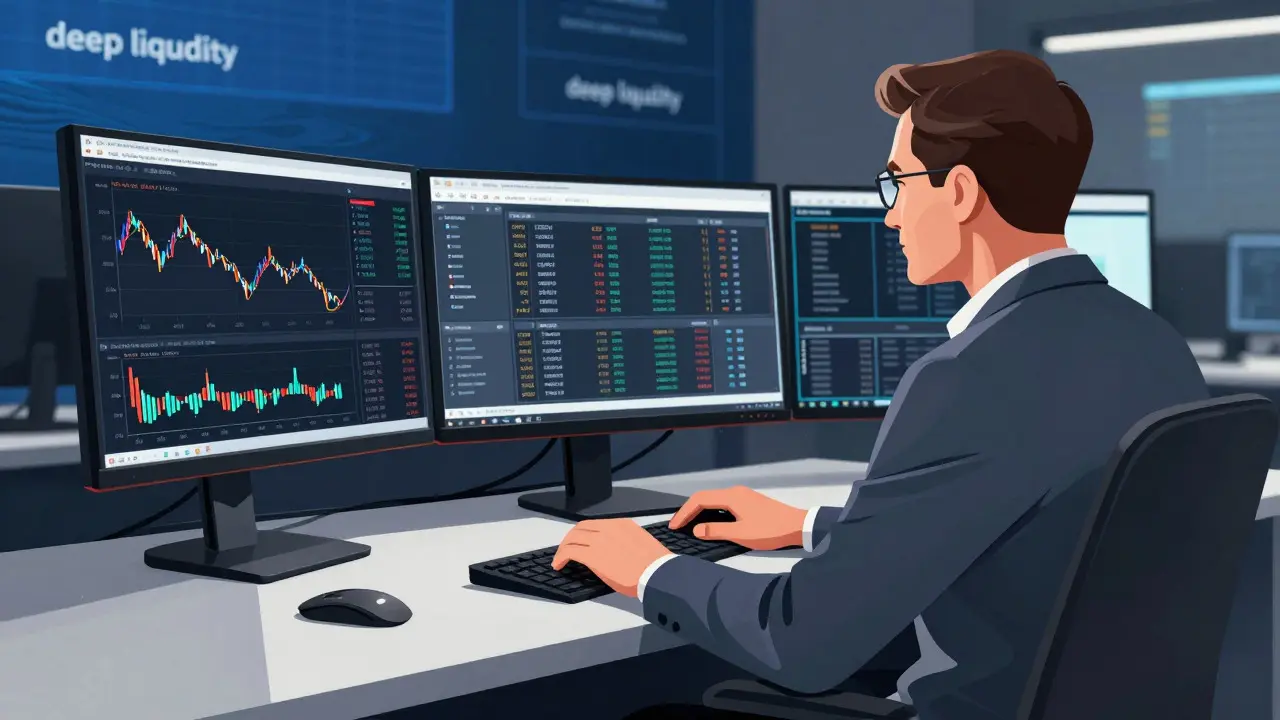
Here is the reality check. If you are a beginner trying to buy $100 worth of Ethereum to save for retirement, BitMEX will frustrate you. The interface is dense, the terminology is complex, and the leverage options can wipe out your account in seconds if you aren’t careful. However, if you are an experienced trader looking for deep liquidity on Bitcoin futures, low slippage on large orders, and advanced order types, BitMEX is still a top-tier choice. The key job-to-be-done here is executing high-volume derivative trades efficiently. Everything else is secondary.
Safety and Security: Can You Trust Your Funds?
Security is the first question on everyone’s mind, especially given BitMEX’s history. Let’s look at the facts. Since launching in 2014, BitMEX has never suffered a major hack resulting in lost user funds. That is a significant claim in the crypto world, where exchanges lose billions regularly. They achieved ISO/IEC 27001 certification, which is an international standard for information security management systems, indicating rigorous audit processes for IT security. in July 2021. This certification means their internal controls, data protection, and risk management practices have been independently verified.
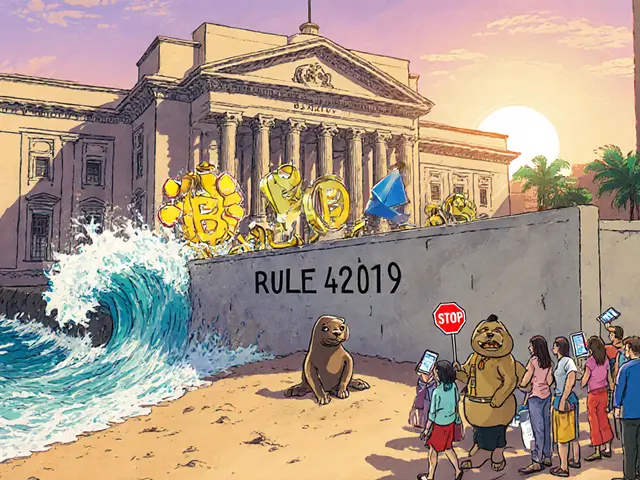
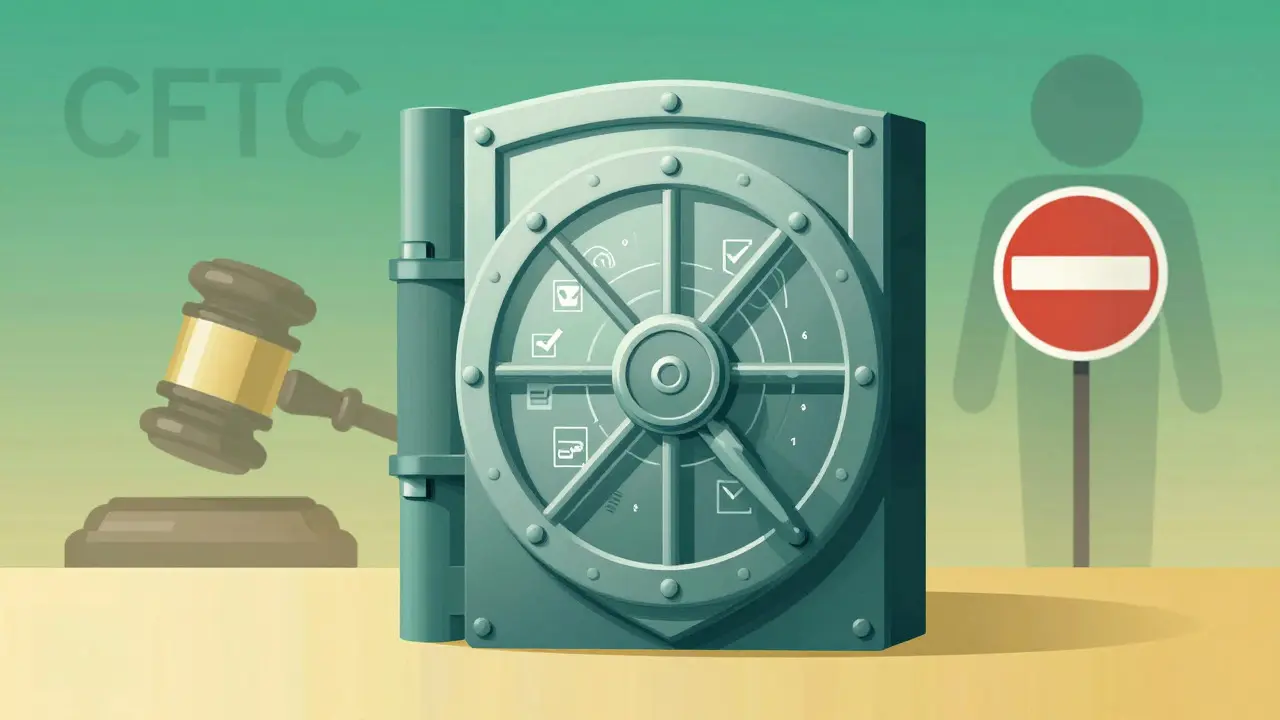
But security isn’t just about hackers; it’s also about regulators. In 2020, the U.S. Commodity Futures Trading Commission (CFTC) fined BitMEX $100 million for violating anti-money laundering laws. As a result, U.S. residents are permanently banned from using the platform. For non-U.S. traders, this actually works in your favor. BitMEX had to overhaul its compliance procedures to survive. Today, they operate under strict KYC (Know Your Customer) rules. You need to verify your identity and address before trading. This process takes 2-5 business days but adds a layer of legitimacy that was missing in the early days.
So, is it safe? Technically, yes. Their infrastructure is robust. But remember: safety from hacks does not mean safety from bad trading decisions. With 100x leverage available, you can lose everything through market volatility alone. Always start with small positions.
Fees and Costs: What Will It Cost You?
Trading fees can eat into your profits faster than you think. BitMEX uses a maker-taker fee model. Makers (those who add liquidity by placing limit orders) pay lower fees, while takers (those who remove liquidity by hitting the spread) pay more. Currently, the taker fee is around 0.075% and the maker fee is 0.025%. These rates are competitive compared to other derivatives exchanges.
There is another cost factor: withdrawals. BitMEX processes withdrawals at specific times during the day, not instantly. This can be annoying if you need quick access to cash. Also, free withdrawals are only available when using Bitcoin. Other cryptocurrencies may incur network fees. If you hold the native BMEX token, which is the utility token of the BitMEX ecosystem, used for staking and fee discounts., you can reduce your trading fees by up to 15%. This is a smart move for high-volume traders who trade daily.
Compare this to spot trading platforms like Coinbase, where fees can range from 0.5% to 3.99% depending on the payment method. For derivatives traders, BitMEX is cheaper. For casual buyers, it might feel complicated.
Features and Tools: What Makes BitMEX Different?
BitMEX’s strength lies in its specialized tools. The platform offers cross-margin and isolated margin modes. Cross-margin uses your entire account balance as collateral for open positions, reducing the chance of liquidation but increasing overall risk. Isolated margin, launched in Q3 2025, limits risk to the specific amount allocated to each position. This is a game-changer for risk management.
The interface is highly customizable. You can move widgets, adjust chart settings, and filter order books. Professional traders love this level of control. However, the mobile app, launched in 2021, lacks some of these advanced features. Most serious trading happens on desktop. If you rely solely on your phone, you might miss out on critical functionality.
Education is another strong point. BitMEX Academy offers video tutorials and webinars. New users often spend 40-60 hours learning the ropes before feeling comfortable. The TestNet environment allows you to practice with fake money, which is essential for understanding how liquidation works.
| Feature | BitMEX | Coinbase | Binance |
|---|---|---|---|
| Primary Focus | Derivatives & Futures | Spot Trading & Custody | All-in-One Exchange |
| Leverage Available | Up to 100x | Up to 10x (varies) | Up to 125x |
| User-Friendliness | Low (Steep Learning Curve) | High (Beginner Friendly) | Medium |
| U.S. Access | No (Banned) | Yes | Limited (US version) |
| Security Record | No Hacks Since 2014 | Good (Publicly Traded) | Mixed (Past Issues) |
Pros and Cons: The Honest Truth
Every platform has trade-offs. Here is what you gain and what you sacrifice by choosing BitMEX.
Pros:
- Unmatched Liquidity: The XBTUSD order book is incredibly deep. You can execute large orders with minimal slippage.
- Advanced Tools: Customizable interface, sophisticated charting, and multiple margin modes cater to pro traders.
- Strong Security: ISO certified and no major hacks in over a decade.
- Educational Resources: Comprehensive academy and testnet for practice.
Cons:
- Not for Beginners: Complex interface and high-risk products can confuse new users.
- Limited Spot Market: Only about 20 cryptocurrencies available for spot trading, far fewer than competitors.
- Withdrawal Delays: Scheduled withdrawal times can hinder quick access to funds.
- Regulatory Restrictions: No access for U.S. residents and potential future restrictions in other regions.

Who Should Use BitMEX?
BitMEX is ideal for:
- Professional Derivatives Traders: Those who actively trade futures and options and need deep liquidity.
- Risk Managers: Traders who use hedging strategies to protect spot holdings against market downturns.
- Non-U.S. Residents: Users outside the United States who want access to high-leverage markets.
Avoid BitMEX if:
- You Are a Beginner: Start with a simpler exchange like Coinbase or Kraken to learn the basics.
- You Want Long-Term Storage: Use a hardware wallet or a custody-focused service instead.
- You Live in the U.S.: You are legally barred from using the platform.
Final Verdict: Is BitMEX Worth It in 2026?
BitMEX has evolved from a wild west playground to a regulated, secure, and specialized derivatives powerhouse. Its "Beyond Derivatives" strategy shows ambition, expanding into custody and brokerage services. While it may not be the best all-around exchange, it remains the king of Bitcoin futures liquidity. If you know what you are doing, BitMEX offers tools and conditions that are hard to beat elsewhere. Just respect the leverage, manage your risk, and never trade with money you can’t afford to lose.
Is BitMEX safe for beginners?
No, BitMEX is generally not recommended for beginners. The platform focuses on complex derivatives trading with high leverage, which carries significant risk. New users should spend considerable time learning through the BitMEX Academy and TestNet before risking real capital.
Can U.S. residents use BitMEX?
No. Following a 2020 settlement with the CFTC, BitMEX is permanently unavailable to U.S. residents. Attempting to bypass this restriction can lead to account closure and loss of funds.
What is the maximum leverage on BitMEX?
BitMEX offers leverage up to 100x on certain contracts like XBTUSD. However, higher leverage increases the risk of liquidation. Experienced traders often use lower leverage levels to manage risk effectively.
How much does it cost to trade on BitMEX?
BitMEX charges a maker fee of approximately 0.025% and a taker fee of 0.075%. Holding the BMEX token can reduce these fees by up to 15%. Withdrawal fees vary by cryptocurrency, with Bitcoin withdrawals being free.
Has BitMEX ever been hacked?
Since its launch in 2014, BitMEX has not suffered any major security breaches resulting in lost user funds. It holds ISO/IEC 27001 certification for information security management, demonstrating robust security protocols.
What is the difference between cross-margin and isolated margin?
Cross-margin uses your entire account balance as collateral for all open positions, reducing liquidation risk but exposing more capital. Isolated margin limits collateral to a specific amount per position, containing losses to that position only. BitMEX introduced isolated margin in late 2025.
How long does KYC verification take on BitMEX?
KYC verification typically takes 2-5 business days. You need to provide identity documentation and proof of address. This process is mandatory for all users due to regulatory compliance requirements.