

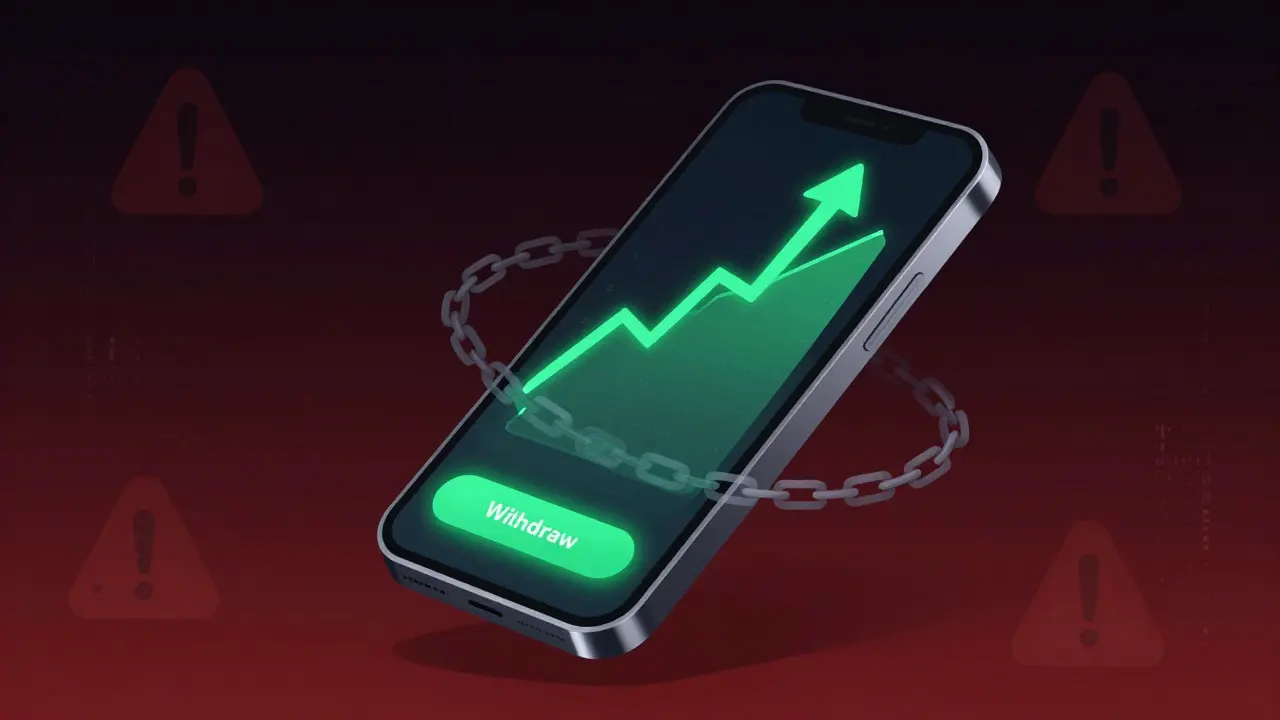
Imagine logging into your new favorite trading app, watching your portfolio grow during a bull run, and then hitting the 'withdraw' button only to see your funds stuck in limbo. For many users of Batonex, a cryptocurrency exchange launched in January 2022 by Wisebitcoin, this isn't just a nightmare scenario-it’s their reality.
You’re probably here because you’ve seen ads promising high leverage, low entry barriers, and seamless trading. The platform looks sleek, powered by TradingView charts, and claims to partner with over 280 exchanges for liquidity. But does the shiny interface hide deeper problems? In this review, we cut through the marketing hype to look at the actual user experiences, security red flags, and whether your money is safe on Batonex in 2026.
The Promise vs. The Reality
On paper, Batonex checks several boxes that appeal to retail traders. The minimum deposit is just 1 USDT, which is incredibly low compared to competitors like Coinbase or Kraken that often require higher initial deposits or bank link verifications. They offer spot trading for Bitcoin (BTC), Ethereum (ETH), and various altcoins, alongside futures trading with leverage up to 1:100. That kind of leverage can amplify gains significantly, but it also amplifies risk.
The technical setup sounds robust. They use a TradingView-powered web platform and have mobile apps for both iOS and Android. Order types include market, limit, stop-loss, and take-profit options, giving you the tools you need for active trading strategies. However, features alone don’t make an exchange reliable. You need trust, security, and, most importantly, the ability to get your money out when you want it.
| Feature | Details |
|---|---|
| Launch Date | January 2022 |
| Developer | Wisebitcoin |
| Minimum Deposit | 1 USDT |
| Max Leverage | 1:100 (Futures) |
| Supported Coins | BTC, ETH, and 25+ others for deposits/withdrawals |
| Spot Fees | 0.1% |
| Futures Fees | 0.02% - 0.07% |
Red Flags: Security and Verification Issues
If there’s one thing that kills confidence in a crypto exchange faster than high fees, it’s poor security practices. This is where Batonex starts to struggle. WalletScrutiny, a reputable cryptocurrency security analysis service, has classified Batonex as a custodial service with significant risks. Their biggest concern? The mobile application cannot be independently verified. In the world of crypto, if you can’t verify the code holding your keys, you shouldn’t trust it with your funds.
Then there’s the issue of KYC (Know Your Customer) verification. While KYC is standard for regulatory compliance, Batonex users report frequent failures in this system. Many traders find themselves unable to complete identity verification, which locks them out of withdrawals. Worse still, SMS OTP (One-Time Password) codes often fail to deliver. Without that code, you can’t access your account or confirm transactions. It’s a digital dead end.
Security experts also point to the platform’s Terms and Conditions. Wisebitcoin reserves the right to restrict, suspend, or terminate user access without prior notice. Think about that for a second. If you have $5,000 in your account and they decide to freeze it on a whim, you have little recourse. This lack of contractual protection is a major warning sign for any serious trader.
User Experiences: Withdrawal Nightmares
Let’s talk about what matters most: getting your money out. User reviews on Google Play Store and community forums paint a stark picture. While the app has a 3.9-star rating based on over 10,000 downloads, the recent comments tell a different story. Positive feedback highlights the smooth interface and the "rewarding mission system" that gives incentives for engagement. But these are superficial perks.
The negative reviews are severe and consistent. Multiple users report funds stuck in an "express withdrawal" stage indefinitely. One detailed account from August 2024 described a complete liquidation of assets followed by nine days of silence from customer support regarding a withdrawal request. Another common complaint involves the failure of the KYC system preventing account approval entirely. When you can’t withdraw, the trading features don’t matter much.
Customer support quality receives particularly poor ratings. Response times exceeding nine days for critical issues like frozen funds are unacceptable in the fast-paced crypto market. By the time they reply, the price of Bitcoin may have moved 20%, rendering your position irrelevant. Users have started labeling Batonex as a potential scam, specifically warning newcomers against depositing large sums.

Fees and Trading Costs
Cost efficiency is crucial for profitability. Batonex offers a flat spot trading fee of 0.1%. While this is within industry standards, it’s not competitive. Major exchanges like Binance or Kraken offer tiered fee structures that reduce costs as your trading volume increases. For high-frequency traders, that 0.1% adds up quickly.
Futures trading fees range from 0.02% to 0.07%, which is more attractive. However, you must consider the hidden costs of slippage and spread, especially given Batonex’s reliance on a network of 280+ partner exchanges for liquidity. Aggregated liquidity can sometimes mean slower execution or worse prices during volatile markets. Plus, with leverage up to 100x, even small fee differences can eat into your margin rapidly.
There’s also a reported requirement for a $100 minimum balance for certain mining-related activities. This creates a barrier for micro-traders who were initially attracted by the 1 USDT deposit rule. It’s important to read the fine print on each feature to understand the true cost of participation.
How Batonex Compares to Established Exchanges
To put Batonex in perspective, let’s compare it with established players like Binance and Coinbase. These platforms have years of operational history, proven security audits, and massive user bases. They also face stricter regulatory scrutiny, which, while burdensome, provides a layer of consumer protection.
Batonex lacks the established reputation and user base of these giants. Its partnership model with other exchanges is innovative in theory but introduces counterparty risks. If one of those 280 partners fails, does it affect your liquidity? The transparency isn’t there. Furthermore, the absence of PAMM accounts and proper margin call/stop-out protections-tools experienced traders rely on for risk management-makes it less suitable for professional use.
In terms of regulatory compliance, Batonex faces challenges. The global crypto exchange market is projected to reach $26.23 billion by 2030, driven largely by increased regulation and institutional adoption. Platforms that fail to meet evolving security and compliance standards risk being left behind or shut down. Batonex’s current trajectory suggests it’s struggling to keep up.

Who Should Avoid Batonex?
Based on the evidence, certain types of traders should steer clear. If you are a long-term holder looking to park significant capital, the security risks and withdrawal issues make Batonex a poor choice. If you rely on quick access to your funds for day trading, the unreliable customer support and KYC failures could cost you dearly.
Newcomers might be tempted by the low entry barrier and simple interface, but the lack of educational resources and protective mechanisms means they are vulnerable to mistakes and platform errors. Experienced traders will likely find the lack of advanced risk management tools frustrating.
However, if you are a speculative trader willing to risk small amounts for high-leverage plays and don’t mind the hassle of potential verification glitches, you might test the waters with minimal funds. Just never deposit more than you can afford to lose-or potentially lose entirely due to platform failure.
Final Verdict: Proceed with Extreme Caution
Batonex offers a visually appealing platform with competitive-looking fees and high leverage options. But beneath the surface, there are significant cracks. Unverifiable security protocols, frequent withdrawal delays, and unresponsive customer support create a risky environment for your capital. While the last update in July 2025 suggests ongoing development, the accumulation of negative user experiences raises serious questions about its long-term viability.
In the crowded crypto exchange market, reliability is king. Until Batonex resolves its fundamental issues with fund accessibility and security transparency, it remains a high-risk option. For most users, sticking with established, regulated exchanges is a safer bet. If you do choose to use Batonex, start small, verify every step, and always have an exit strategy ready.
Is Batonex a legitimate crypto exchange?
Batonex is a real platform launched by Wisebitcoin in 2022, but its legitimacy is questioned by security analysts due to unverifiable mobile apps and restrictive terms of service. While it operates legally, user reports suggest significant reliability issues.
Can I withdraw my money from Batonex easily?
Many users report difficulties withdrawing funds, with complaints of transactions stuck in "express withdrawal" status for days. KYC failures and undelivered SMS codes often block withdrawals, making the process unreliable.
What are the trading fees on Batonex?
Spot trading fees are fixed at 0.1%. Futures trading fees range from 0.02% to 0.07%. While competitive, these fees may be higher than tiered structures offered by larger exchanges like Binance for high-volume traders.
Is Batonex safe for beginners?
Not necessarily. While the interface is user-friendly, the lack of robust customer support and potential withdrawal issues pose risks for beginners who may not anticipate these problems. Start with very small amounts if you try it.
Does Batonex require KYC verification?
Yes, KYC is required for full functionality, including withdrawals. However, users frequently report technical failures in the verification system, leading to locked accounts and inability to trade or withdraw.
How does Batonex compare to Binance?
Binance offers greater liquidity, lower tiered fees, stronger security audits, and better customer support. Batonex relies on a network of partners for liquidity, which may introduce execution delays and higher counterparty risk.