EasiCoin Crypto Exchange Review: Red Flags, Risks, and Why to Avoid It
EasiCoin is a high-risk crypto platform with no regulation, no security audits, and multiple user reports of lost funds. Don't deposit money - it's likely a scam.
When navigating the crypto regulations, rules governments enforce to control cryptocurrency trading, mining, and taxation. Also known as cryptocurrency laws, it shapes who can trade, where, and under what conditions. In October 2025, the landscape didn’t just shift—it fractured. Countries like Tunisia and Russia cracked down hard, while others like Dubai quietly became magnets for crypto users. This wasn’t about speculation anymore. It was about survival: knowing which exchanges are blocked, which coins are risky, and how to avoid jail or frozen accounts.
One major theme across the posts? crypto exchanges, platforms where users buy, sell, or trade digital assets, often with varying levels of security and legal compliance. Many users don’t realize that an exchange isn’t just a website—it’s a legal risk. Platforms like EasiCoin and Garantex operate without audits, KYC, or oversight. They lure people with high yields, then vanish. Meanwhile, exchanges like BingX and ANONDAX built compliance into their structure, making them safer for users in regulated markets. And it’s not just about location. India blocked foreign exchanges that refused to register with FIU-IND. The EU forced platforms to follow MiCA and the Travel Rule. These aren’t suggestions—they’re legal requirements with real penalties.
Then there’s crypto taxation, how governments track and tax gains from cryptocurrency trades, staking, or mining. Relocating to reduce taxes isn’t a loophole—it’s a strategy. Countries like Portugal and Germany offer favorable rules for long-term holders, but only if you prove residency. You can’t just claim a visa and call it done. The guides show real steps: how long to live there, what documents to keep, and how to avoid being flagged as a tax evader. And it’s not just about Bitcoin. Tokens like MAI and Ratscoin have their own tax quirks depending on whether they’re classified as stablecoins or meme coins.
Under all this is AML compliance, the system exchanges use to detect and prevent money laundering through cryptocurrency transactions. In 2025, it’s not just about asking for ID. AI now monitors transaction patterns, flags unusual behavior, and auto-reports to regulators. Exchanges that skip this don’t just lose customers—they get shut down. The EU’s AMLA and India’s FIU-IND aren’t just paperwork. They’re enforcement tools with teeth.
What you’ll find below isn’t a list of random posts. It’s a map of where the crypto world stood in October 2025: who got banned, who got rich, who got arrested, and who figured out how to play the rules. Whether you’re in Pakistan, Tunisia, or Canada, these posts tell you what’s real, what’s risky, and what you need to do next—before you lose money or break the law.
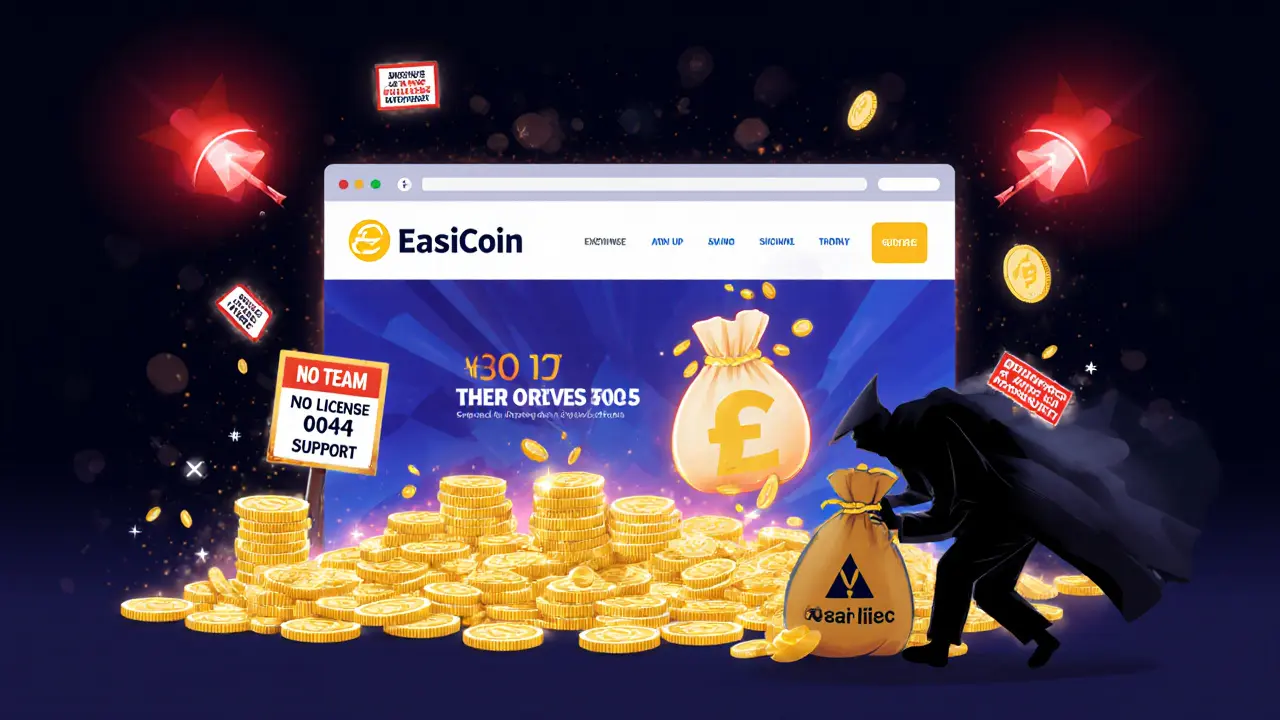
EasiCoin is a high-risk crypto platform with no regulation, no security audits, and multiple user reports of lost funds. Don't deposit money - it's likely a scam.
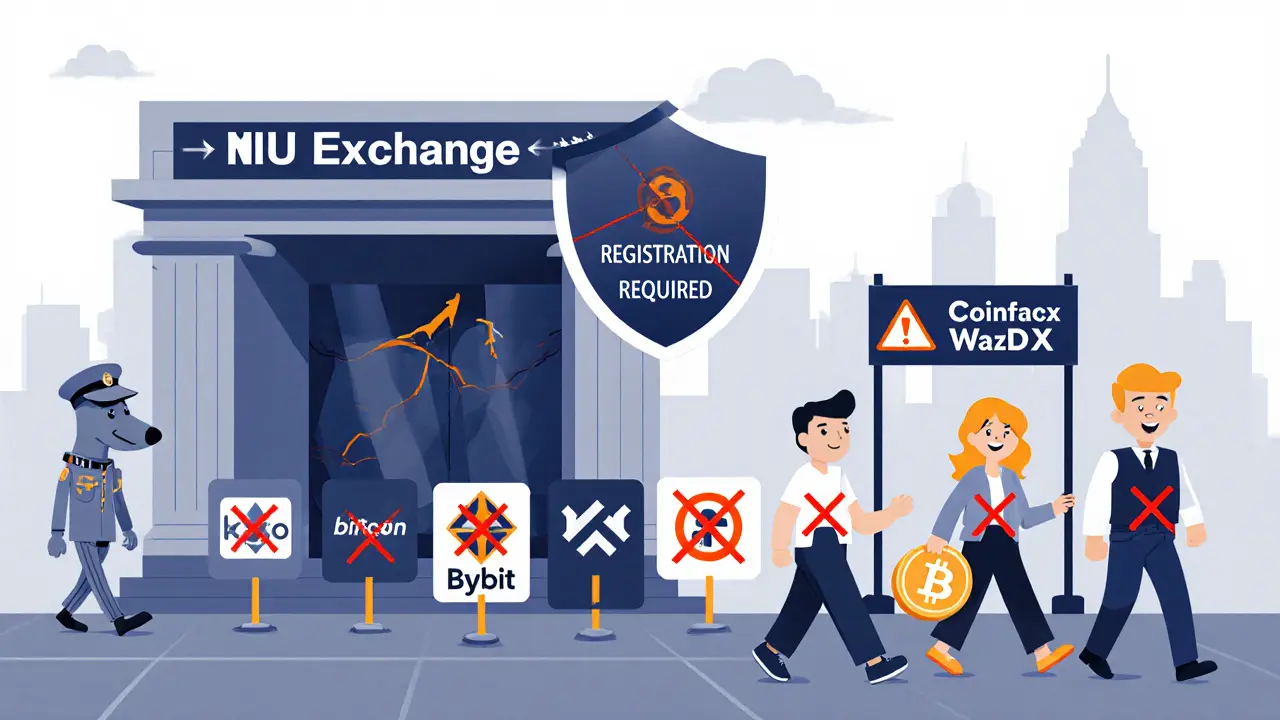
India hasn't banned crypto, but it has shut down unregistered exchanges. Learn which platforms are blocked, why they were banned, and which ones you can safely use now.
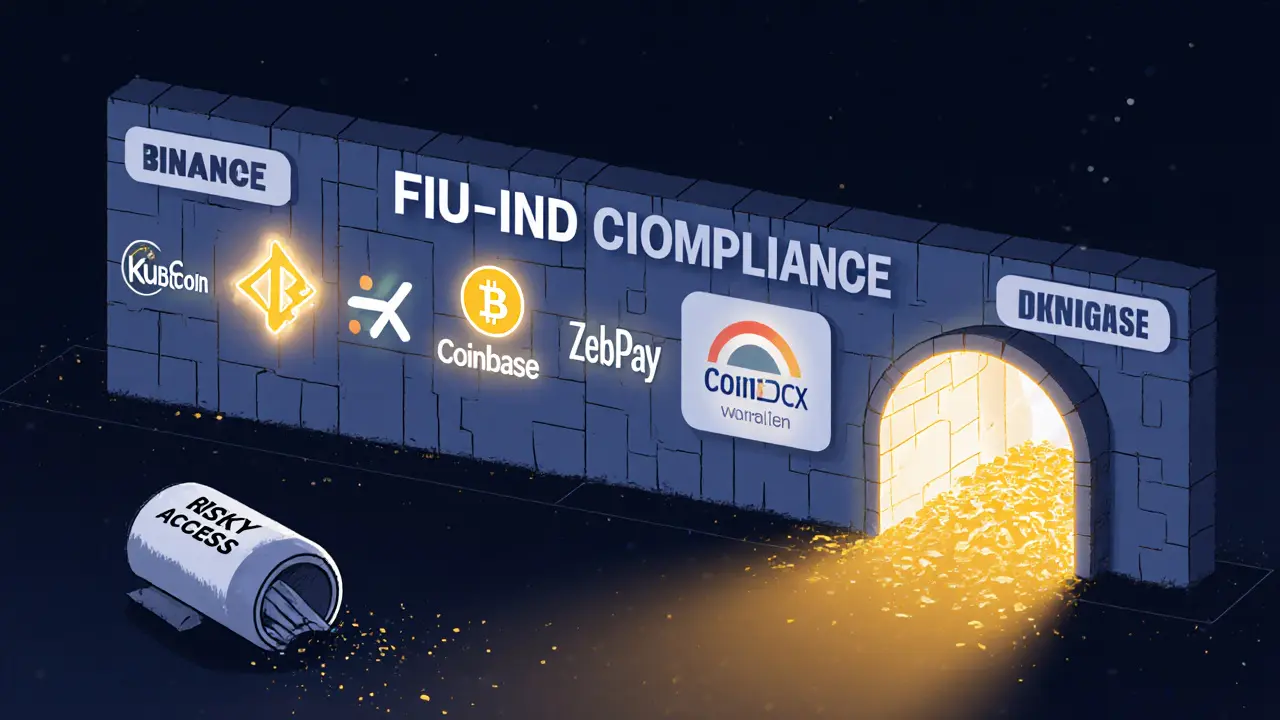
India hasn't banned crypto-but it has blocked foreign exchanges that won't register with FIU-IND. Learn which platforms are banned, which are legal, and what happens if you use the wrong one.

JMPT Rewards is a crypto token earned by completing small online tasks on the JumpTask platform. It's not a high-value investment but a tool for learning crypto without spending money.
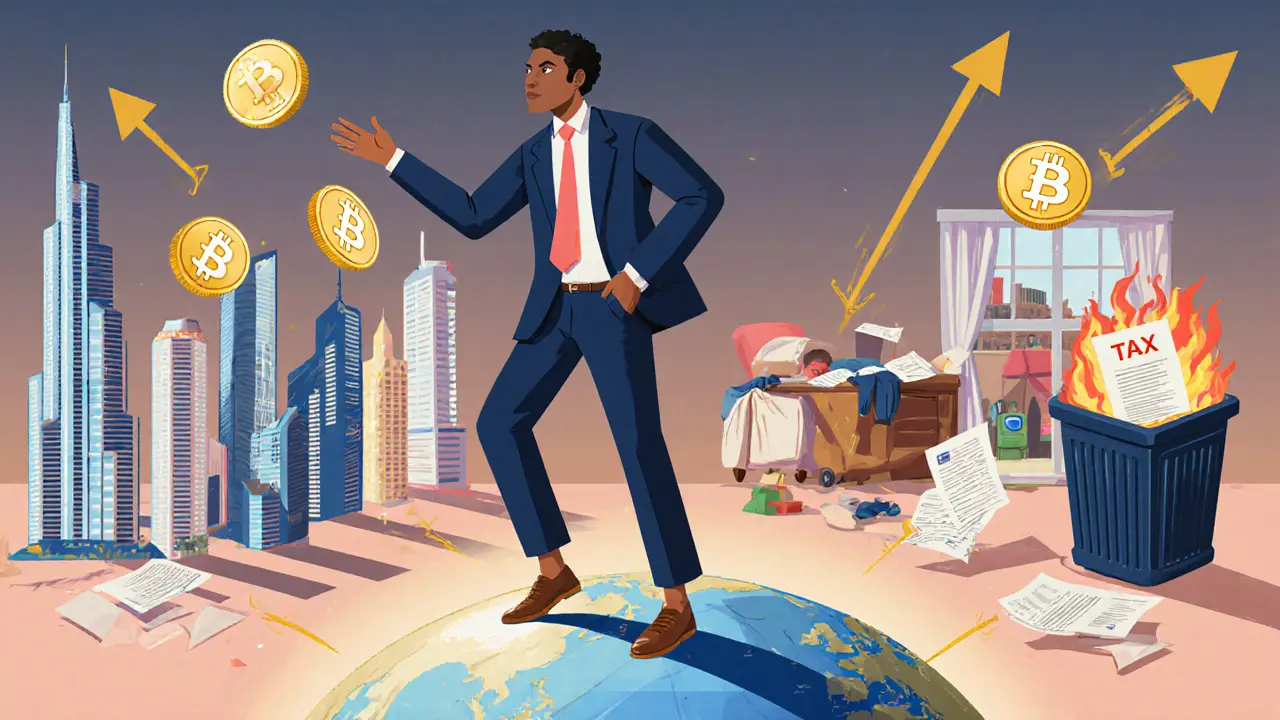
Learn how to legally reduce crypto taxes by relocating to tax-friendly countries like Dubai, Portugal, or Germany in 2025. Understand residency rules, holding periods, and real costs to avoid costly mistakes.

Discover how EPICHERO's BNB reflection rewards work, why a traditional airdrop is missing, and step‑by‑step how to start earning today.
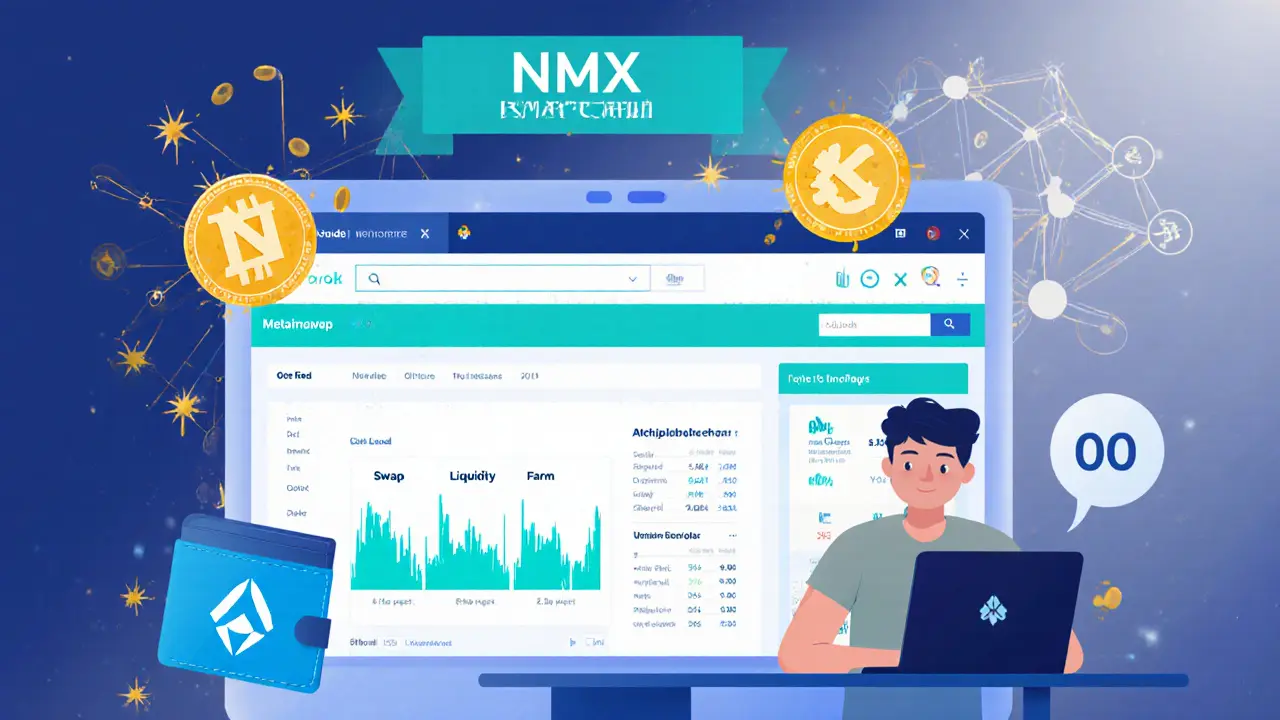
An in‑depth Nomiswap review covering fees, rewards, security, token options, referral program and how it stacks up against other BSC DEXs in 2025.
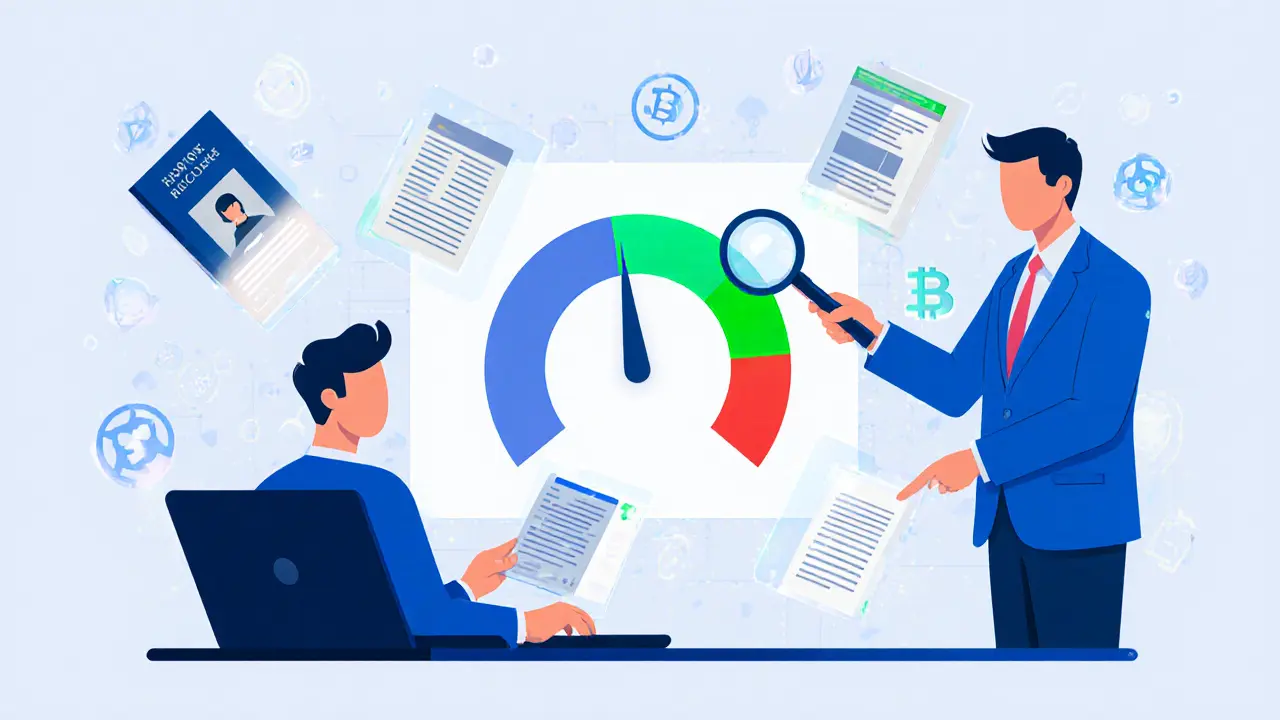
Explore how crypto exchanges build AML programs, from KYC and transaction monitoring to modern AI tools and global regulatory challenges, with real‑world examples and a practical checklist.
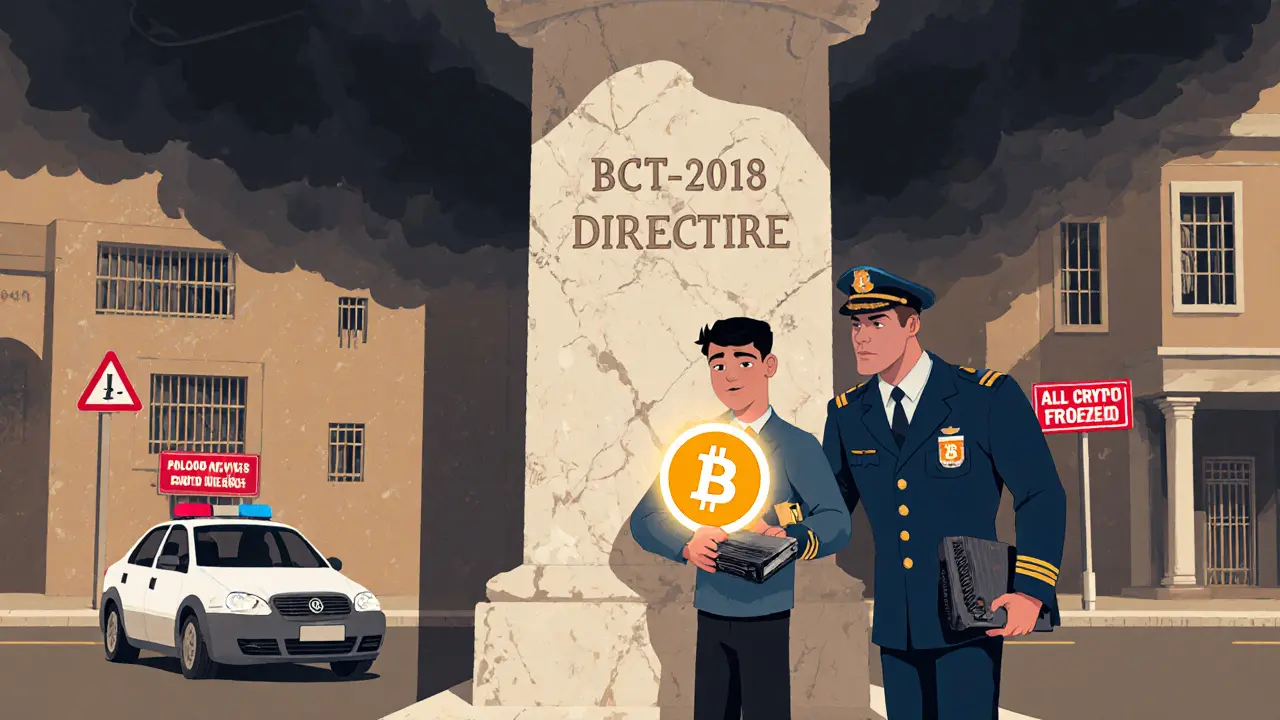
Discover the harsh legal risks Tunisian crypto users face, from bans on trading and mining to heavy fines and prison time, plus an overview of enforcement and limited sandbox options.

Explore whether CBDCs will replace cash and cryptocurrencies, covering technology, adoption, pros, cons, and future outlook in a clear, data‑driven guide.
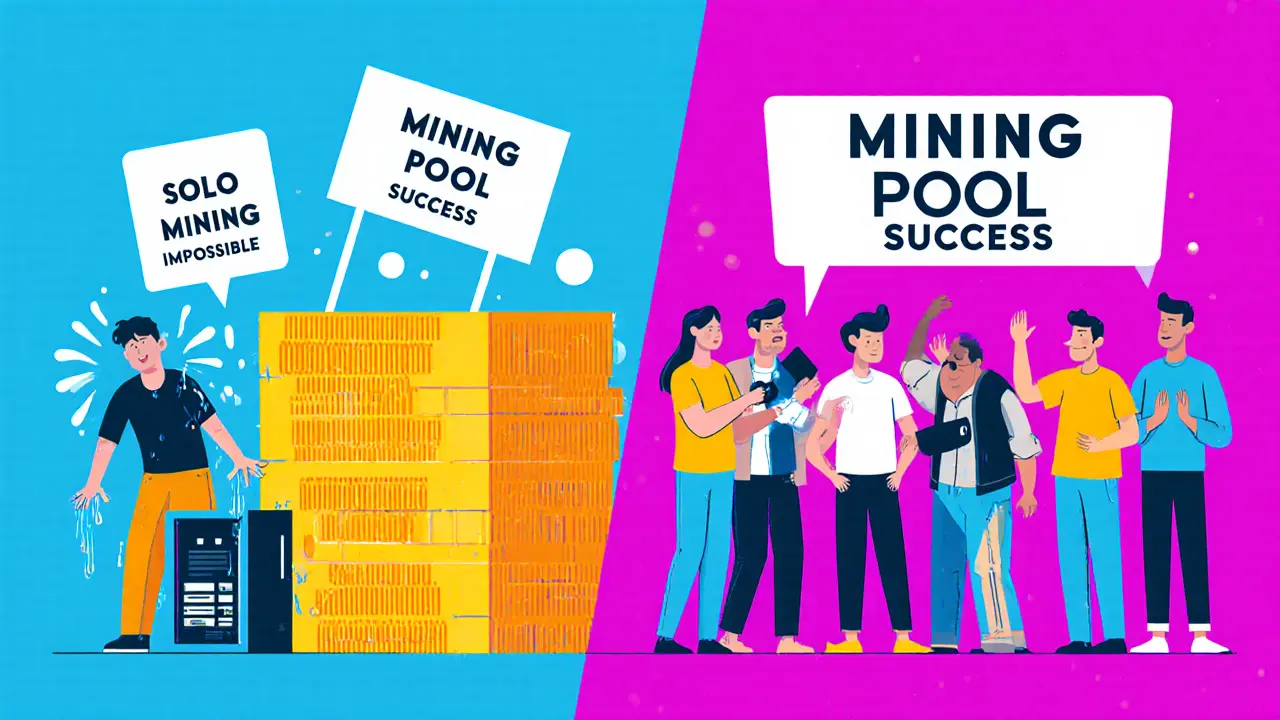
Learn how to select the best Bitcoin mining pool for your needs in 2025. We break down fees, payout structures, uptime, and more to help you maximize profits. Avoid common pitfalls and choose wisely.
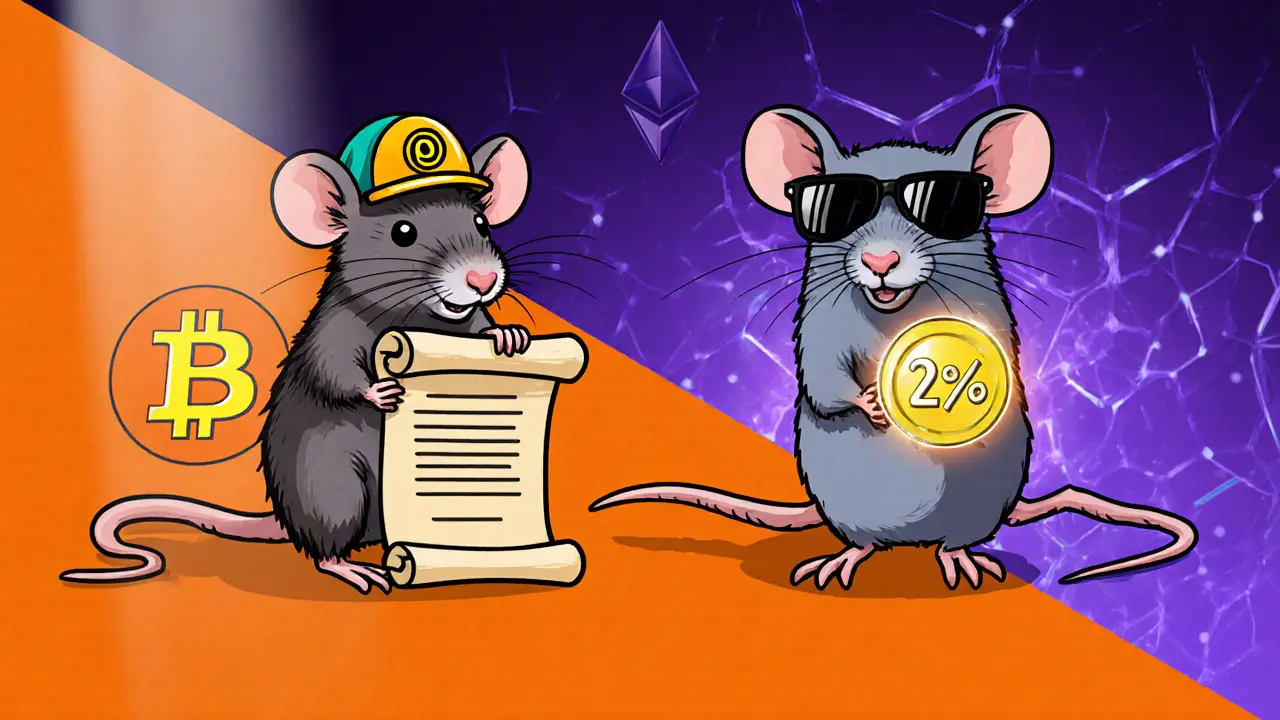
Ratscoin (RATS) actually refers to two separate tokens - a Bitcoin BRC‑20 meme and an Ethereum ERC‑20 reflection token. Learn their differences, risks, and how to verify which one you’re buying.