
Top 8 Countries with the Harshest Crypto Restrictions and Bans in 2025
Discover the eight nations with the toughest crypto restrictions in 2025, from full bans to heavy taxes, and learn how they affect users.
When talking about Worst Crypto Countries, nations with the most restrictive or hostile crypto policies, often featuring bans, heavy taxes, and limited exchange access. Also known as crypto‑unfriendly nations, they shape global market flows through Crypto Regulation, the legal framework that governs how digital assets can be used, traded, or mined, Tax Policies, government levies that target crypto profits, mining income, or transaction fees and Exchange Restrictions, rules that limit the ability of residents to access or withdraw from cryptocurrency platforms. In short, worst crypto countries encompass harsh regulatory environments, punitive tax regimes, and limited exchange options, which together push users toward offshore services or underground markets.
Take India, for example. Recent tax reforms demand detailed reporting of crypto gains and force exchanges to share user data, while the government’s ambiguous stance on mining leaves miners scrambling for compliance. Those moves create a high‑cost, low‑certainty environment that ranks India among the toughest places to operate a crypto business. Over in Argentina, skyrocketing inflation drives citizens to stablecoins, yet the local tax authority treats every crypto transaction as a taxable event, chopping away at any savings benefit. Mexico’s banking regulators have issued strict guidelines that prevent banks from offering crypto services, effectively cutting off mainstream fiat‑to‑crypto bridges for the majority of the population. Meanwhile, Nigeria’s central bank repeatedly bans crypto transactions on local banks and restricts foreign exchange, pushing traders onto peer‑to‑peer channels that lack consumer protection.
These cases illustrate a simple semantic triple: Harsh tax policies hinder mining operations, while exchange restrictions limit user access, and crypto regulation shapes overall market sentiment. When any of those three pillars falters, the country slides deeper into the “worst” category. The pattern repeats across Africa, the Middle East, and parts of Southeast Asia, where capital controls or outright bans make it illegal to hold or trade digital assets. In such environments, local entrepreneurs either move abroad—as many Indian traders are doing in Dubai for tax benefits—or they resort to risky, unregulated platforms that lack insurance or proper security measures.
For investors and developers, understanding these dynamics matters because they directly affect liquidity, price stability, and the legal risk of holding tokens. A crypto‑friendly jurisdiction typically enjoys higher exchange volumes, smoother onboarding, and clearer tax treatment, which in turn attracts more projects and drives innovation. Conversely, operating in a worst crypto country means dealing with sudden policy shifts, possible asset freezes, and limited access to reputable exchanges—factors that can erode profits and increase compliance costs. This is why the posts on our site cover everything from India’s mining laws to Mexico’s banking restrictions, giving you a practical view of how each regulatory piece plays out on the ground.
Below you’ll find a curated selection of articles that dig into specific countries, explore exchange reviews, break down tax obligations, and even showcase how gamers and DeFi users navigate these hurdles. Whether you’re a trader looking for safer venues, a developer scouting friendly markets, or just curious about why some places treat crypto like a threat, the collection offers actionable insights and real‑world examples that go beyond theory.
Ready to see how each of these factors shapes the crypto landscape? Dive into the articles below and get a clear picture of the challenges and workarounds that define the worst crypto countries today.
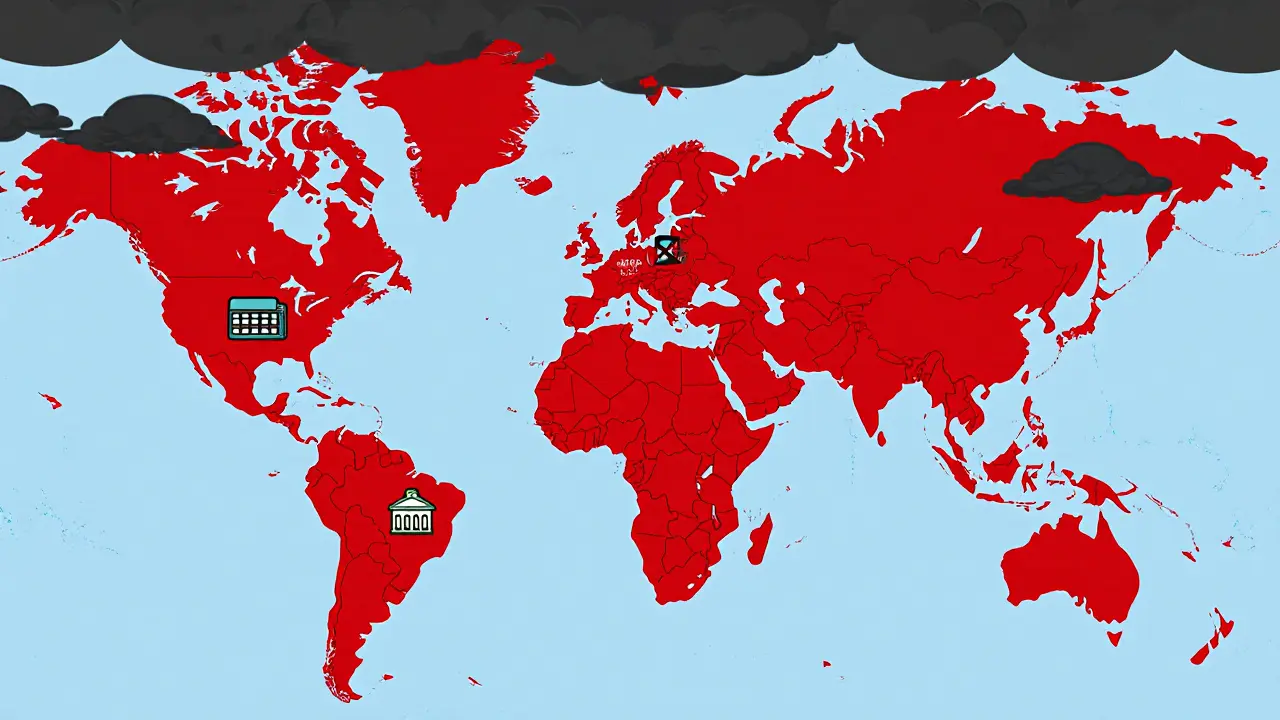
Discover the eight nations with the toughest crypto restrictions in 2025, from full bans to heavy taxes, and learn how they affect users.