How Venezuela Uses Crypto to Evade Sanctions
Explore how Venezuela built a crypto ecosystem-PETRO, state exchanges, and USDT stablecoins-to sidestep sanctions, the compliance red flags, and what the future may hold.
When dealing with stablecoin sanctions, government‑imposed restrictions that target specific stablecoin projects or the entities behind them. Also known as crypto asset penalties, they can freeze wallets, block cross‑border transfers, or shut down trading venues. In plain terms, if a stablecoin gets slapped with a sanction, its users suddenly find their funds stuck or unusable, and exchanges scramble to delist the token.
One of the most common crypto-backed stablecoins, coins that maintain a peg by holding over‑collateralized crypto assets—think USDC, DAI, or FRAX—are especially vulnerable. These projects rely on trust that the underlying collateral stays liquid and untouched. When a sanction hits the issuer or a major custodian, that trust evaporates and the peg can wobble. The ripple effect reaches DeFi lenders, traders, and anyone using stablecoins for everyday payments.
At the heart of many sanction decisions sits the US Treasury OFAC, the Office of Foreign Assets Control that enforces economic and trade sanctions. OFAC’s actions often set the tone for other regulators worldwide. If OFAC lists a stablecoin issuer on its Specially Designated Nationals (SDN) list, banks and crypto platforms must block all related transactions under threat of hefty fines. This creates a domino effect where regional regulators adopt similar measures to stay aligned with US policy.
Beyond OFAC, regulatory sanctions, legal instruments used by governments to limit or prohibit certain crypto activities come from the EU’s AML directives, Singapore’s MAS guidelines, and India’s recent crypto tax framework. Each body defines its own list of prohibited entities, but they often reference the same high‑risk jurisdictions or projects tied to illicit finance. For businesses, staying compliant means integrating real‑time watchlists, KYC/AML solutions, and automated transaction screening tools.
Why do these sanctions matter to you? First, they dictate where you can move stablecoins without hitting a dead end. Second, they affect pricing—assets under sanction often trade at steep discounts due to reduced liquidity. Third, they shape the future of stablecoin design; projects may shift toward decentralized collateral models or even sovereign‑backed tokens to dodge sanction risk. In short, the sanction environment forces innovation and pushes the market toward more resilient structures.
Below you’ll find a curated set of articles that dive deeper into each of these angles. From country‑by‑country restriction maps to technical breakdowns of crypto‑backed stablecoins, the collection gives you actionable insight into how sanctions shape the crypto world today and what you can do to stay ahead.
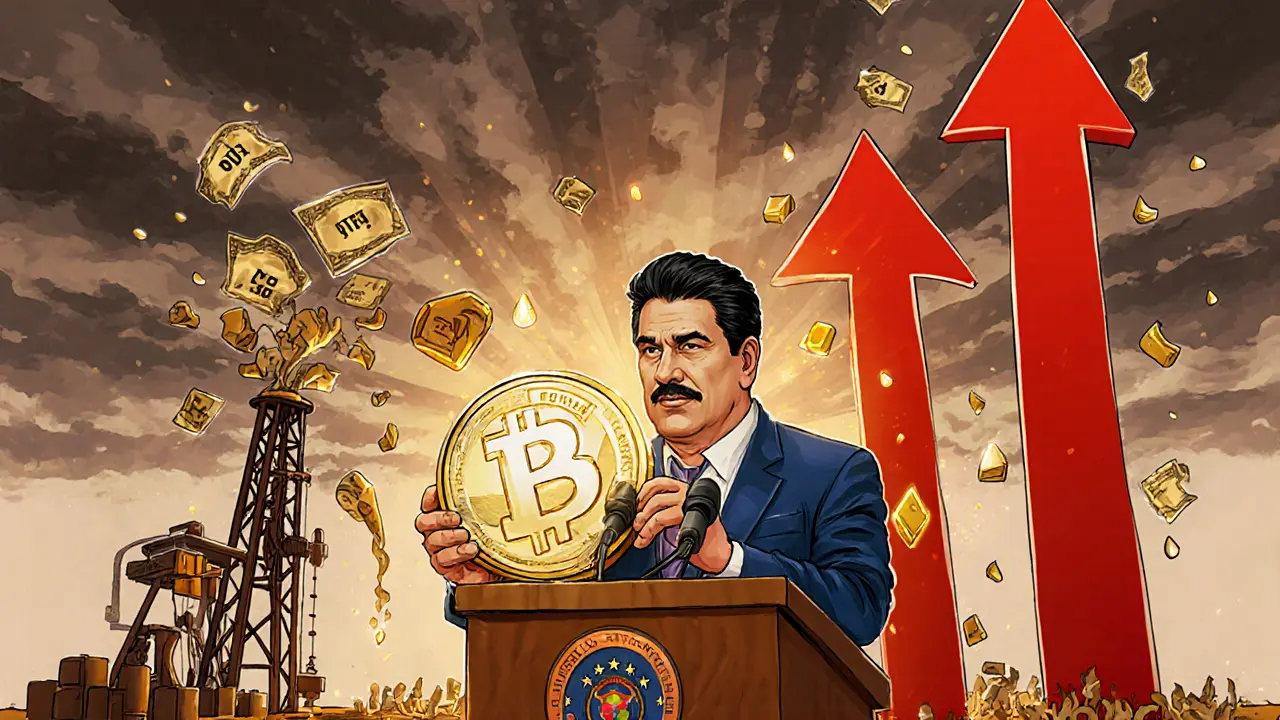
Explore how Venezuela built a crypto ecosystem-PETRO, state exchanges, and USDT stablecoins-to sidestep sanctions, the compliance red flags, and what the future may hold.