Proof of Work Ban: What It Means for Bitcoin, Mining, and Crypto Futures
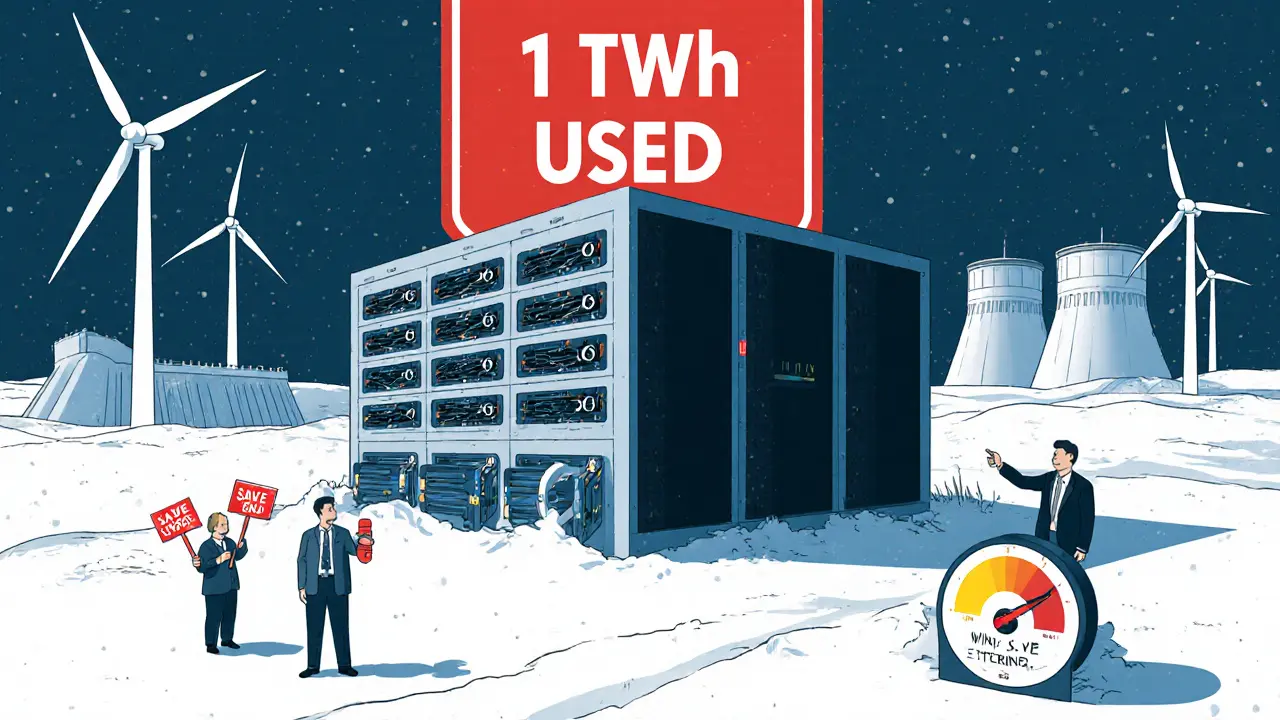
When people talk about a proof of work ban, a regulatory move to shut down blockchain networks that rely on energy-intensive mining to validate transactions. Also known as PoW prohibition, it’s not just about electricity—it’s about control, sustainability, and the future of decentralized money. The idea isn’t new. Countries like China already crushed Bitcoin mining in 2021. The EU is moving to restrict PoW under its MiCA rules. Even the U.S. is seeing state-level proposals to limit mining due to grid strain. But banning proof of work isn’t like banning tobacco—it’s like trying to unplugging the internet at its core.
Proof of work is the engine behind Bitcoin and other major chains. It’s what makes Bitcoin secure without a bank. Miners compete to solve math puzzles using powerful hardware, and the winner gets new BTC. That process uses a lot of energy—about 150 terawatt-hours a year, more than Argentina. Critics say that’s unsustainable. Supporters say it’s the price of security. What happens if governments force a switch to proof of stake, a system where validators are chosen based on how much crypto they lock up, not how much power they use? Ethereum did it in 2022 and cut energy use by 99.95%. But Bitcoin? It won’t. Its community sees proof of work as non-negotiable. A ban would mean either a fork, a black market for mining rigs, or Bitcoin becoming illegal in more places.
And it’s not just Bitcoin. Mining operations in Kazakhstan, Russia, and Texas are built on cheap power and lax rules. If those regions get pressured, miners will move—or shut down. That could cause short-term price drops as mining hash rate falls. But it could also push more projects toward cryptocurrency regulation, clear legal frameworks that define how blockchains operate, who pays taxes, and what tech is allowed. The UAE, for example, lets mining continue with no tax. Vietnam and Bangladesh are cracking down hard. This isn’t one global policy—it’s a patchwork of local fights over energy, money, and power.
What you’ll find below are real stories from the front lines: how a crypto ban in China forced holders to adapt, how a regulated exchange in Indonesia lets traders stay legal, and why some so-called "green" crypto projects are just hype. You’ll see what happens when governments target mining, how staking replaces it, and why some tokens vanish overnight when their tech gets labeled unsustainable. This isn’t theory. It’s happening now—and your crypto holdings are right in the middle of it.