Patreon and Crypto: How Creators Use Membership Models to Fund Blockchain Projects
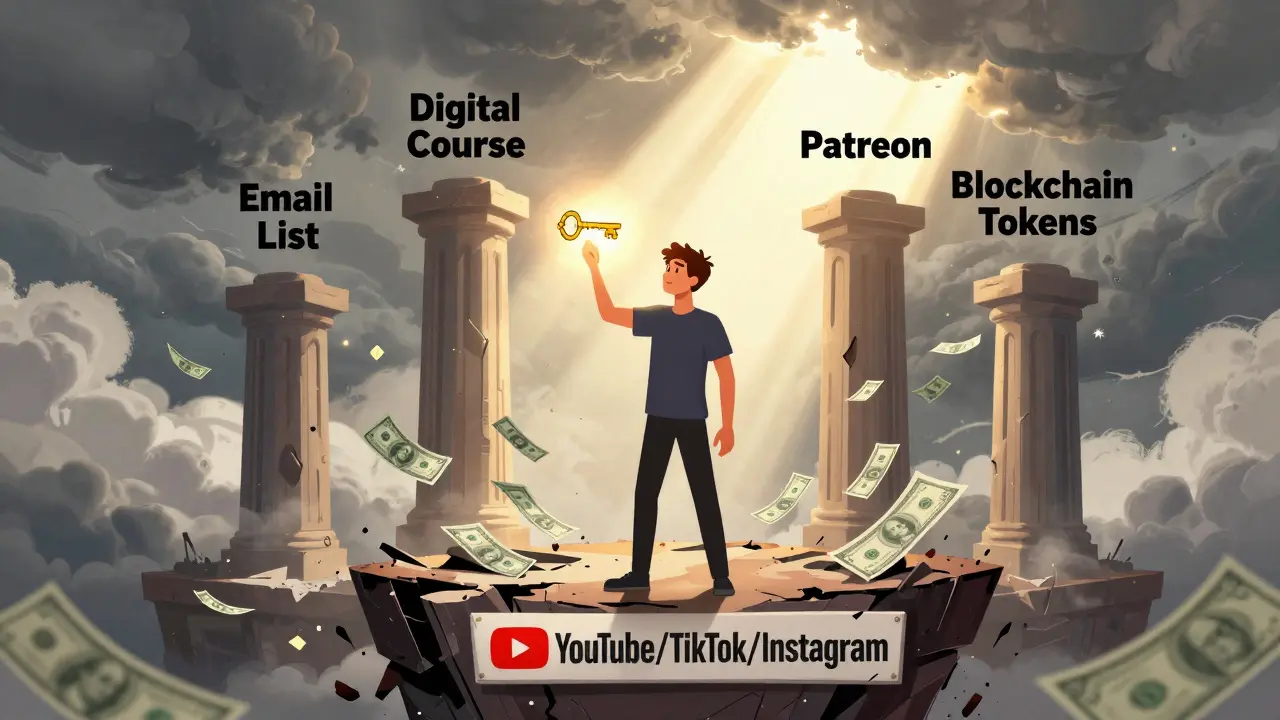
When you support a crypto creator on Patreon, a membership platform that lets fans pay creators directly for exclusive content. Also known as creator subscription service, it’s become a lifeline for independent blockchain educators, DeFi analysts, and crypto reviewers who don’t rely on ads or venture capital. Unlike traditional media, Patreon lets you pay a monthly fee to get early access to guides, private Discord chats, or even token airdrops—no middlemen, no algorithms pulling your attention away.
Many crypto YouTubers and Twitter threads you trust started on Patreon. Take a creator breaking down how liquid staking works or explaining why a new airdrop is a scam—they often use Patreon to fund their research. That’s how they afford tools, pay for data subscriptions, or even hire editors. It’s not just about money; it’s about trust. When you pay $5 a month, you’re saying, ‘I believe in what you’re doing.’ And that’s rare in a space full of anonymous teams and rug pulls.
But Patreon isn’t perfect for crypto. Some creators try to tie Patreon memberships to token rewards, which risks running into securities law. Others use it to fund projects that never launch, leaving subscribers with nothing but a Discord invite. The best ones? They stick to education: clear guides, real-time market updates, and honest reviews—like the ones you’ll find below. You won’t see fake hype here. You’ll see people who’ve dug into Reku’s fees, checked if SHEESHA has any liquidity, or confirmed that BinaryX never did an airdrop. These are the creators who earn your money because they deliver truth, not promises.
What you’ll find in this collection are real stories of how Patreon powers crypto content. From creators funding deep dives into Sweden’s mining bans to analysts using membership funds to track cross-chain bridge exploits, this isn’t fluff. It’s the behind-the-scenes work that keeps you informed when the noise gets loud. If you’ve ever wondered how someone can afford to spend 20 hours a week analyzing a token like BRKL or VEUR—this is how.