
MAI (MIMATIC) Explained: The Over‑collateralized Stablecoin on Polygon
A clear, conversational guide to MAI (MIMATIC), the decentralized over‑collateralized stablecoin on Polygon-how it works, where to use it, risks, and future outlook.
When working with MiCA, the European Union’s comprehensive framework that governs crypto‑assets, token offerings and service providers. Also known as Markets in Crypto‑Assets Regulation, it aims to protect investors, ensure market integrity, and bring crypto activities into the same legal certainty as traditional finance, you instantly step into a world where compliance meets innovation. MiCA isn’t just a set of rules – it’s a shift in how the EU treats digital money, and it forces every player – from a tiny token project to a giant exchange – to rethink risk, reporting, and consumer protection.
One of the biggest pieces of the puzzle is the European Union, the political bloc that drafted and enforces MiCA across its 27 member states. The EU’s approach ties crypto regulation tightly to existing financial law, meaning that anything that looks like a security, a stablecoin, or a service that stores wallets now falls under the same supervisory lens. This creates a clear line: if you issue a token, you’ll likely need a MiCA licence, and you’ll have to follow the union’s anti‑money‑laundering playbook.
ML (money‑laundering) concerns are baked into the regulation through the Anti‑Money Laundering, the set of procedures that require crypto firms to verify users, monitor transactions and report suspicious activity framework. MiCA makes AML compliance mandatory for every crypto‑service provider, from a decentralized exchange to a custodial wallet. In practice, that means KYC checks, transaction monitoring tools, and a clear audit trail – the same standards you see in traditional banking.
Because of this, crypto exchanges, platforms that let users trade, store or convert digital assets have to upgrade their compliance stacks. They must integrate Travel Rule data sharing, keep records for at least five years, and obtain a MiCA licence before offering services to EU residents. The ripple effect is huge: traders get more confidence, regulators get better visibility, and the overall market becomes less prone to fraud.
Stablecoins are another hot spot. Under MiCA, stablecoins, tokens pegged to fiat currencies or other assets, are treated as a distinct class with stricter capital and disclosure requirements. Issuers must hold reserves that match the token’s value, publish regular audit reports, and limit how much they can issue without a full authorisation. This protects users from sudden de‑pegging and gives regulators a clear view of the liquidity backing these coins.
All these pieces – EU oversight, AML duties, exchange licensing, and stablecoin safeguards – create a tightly connected ecosystem. The central idea is simple: MiCA requires robust compliance, and that compliance shapes how each entity operates. When you read the articles below, you’ll see real‑world examples of companies navigating these rules, checklists for meeting the Travel Rule, and analysis of how the market is likely to evolve as the 2027 deadline approaches.
Ready to see how these rules play out in practice? Below you’ll find a curated set of guides, reviews, and deep dives that break down the EU crypto AML requirements, token‑specific risks, exchange comparisons, and the future of stablecoins under MiCA. Dive in for actionable insights you can apply today.
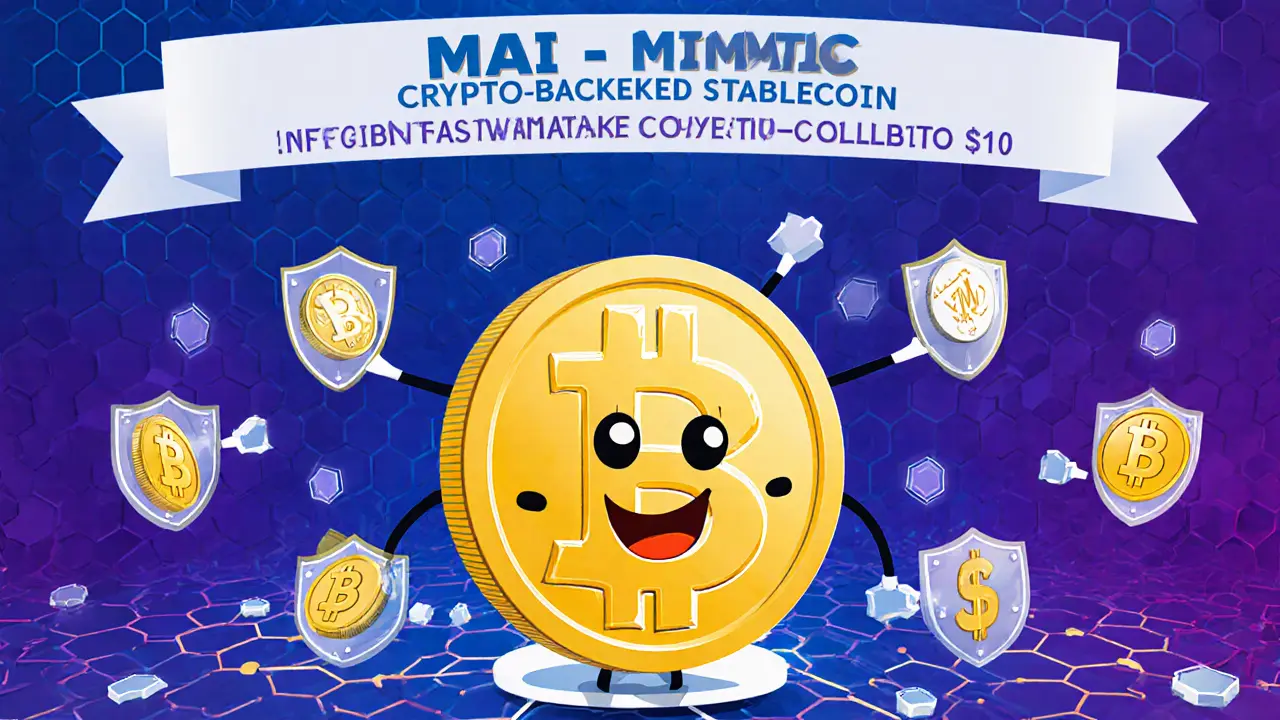
A clear, conversational guide to MAI (MIMATIC), the decentralized over‑collateralized stablecoin on Polygon-how it works, where to use it, risks, and future outlook.