How Institutions Are Investing in Bitcoin
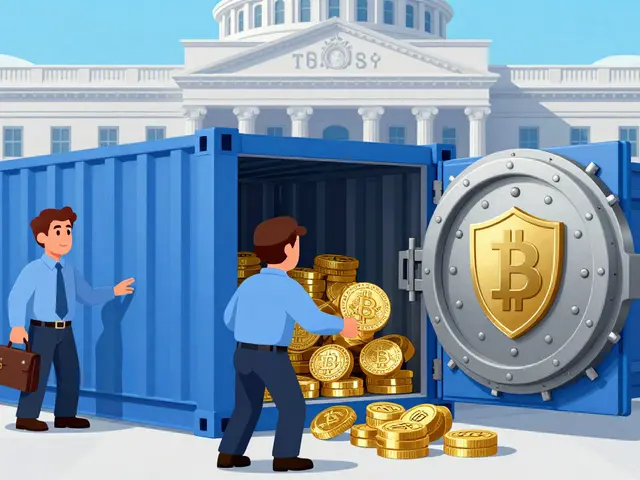
Institutions are now allocating billions to Bitcoin through ETFs, custody solutions, and long-term strategies. Once seen as speculative, Bitcoin is now a recognized hedge against inflation and systemic risk.
When you hear institutional crypto, the involvement of large financial organizations like banks, hedge funds, and asset managers in cryptocurrency markets. Also known as crypto institutional adoption, it refers to the shift from individual traders to professional entities managing billions in digital assets. This isn’t just about buying Bitcoin anymore. It’s about custody solutions, regulated trading desks, and compliance frameworks that make crypto fit into Wall Street’s world.
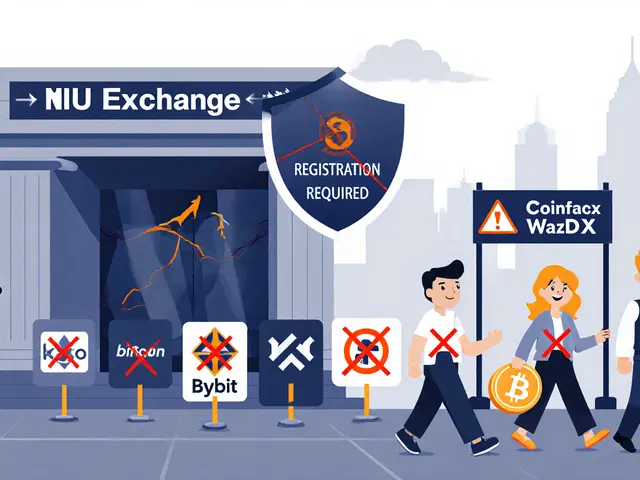
Crypto funds, professional investment vehicles that pool capital to buy and manage digital assets are now a major force. Firms like Fidelity, BlackRock, and Grayscale aren’t experimenting—they’re building infrastructure. They need secure storage, legal clarity, and audit trails. That’s why you see more crypto regulation, government rules governing how institutions can trade, hold, or report digital assets popping up everywhere—from the U.S. SEC to the EU’s MiCA framework. These rules don’t kill innovation; they filter out the junk. The projects that survive are the ones with real teams, real audits, and real use cases—not meme tokens with zero trading volume.
Look at the posts below. You’ll see projects like Sheesha Finance and CremePie Swap that got crushed because they had no institutional backing. Meanwhile, platforms like Coinroom and VNX Euro got attention because they play by clear rules. Institutional crypto doesn’t care about hype. It cares about liquidity, security, and legal compliance. That’s why a token with $0 volume, no team, and no audit gets ignored—no matter how loud its Discord server is.
What you’re seeing now is the cleanup phase. The wild west is over. The players left are those who built for the long term. The ones still chasing free airdrops from anonymous teams? They’re not part of this new chapter. The real money is moving into regulated exchanges, stablecoins backed by real assets, and blockchain systems that can scale without collapsing under pressure. If you want to understand where crypto is going, stop watching TikTok traders. Start looking at who’s building the infrastructure beneath it all.

Institutions are now allocating billions to Bitcoin through ETFs, custody solutions, and long-term strategies. Once seen as speculative, Bitcoin is now a recognized hedge against inflation and systemic risk.