DeFi scam: How to spot fake crypto projects and avoid losing your money
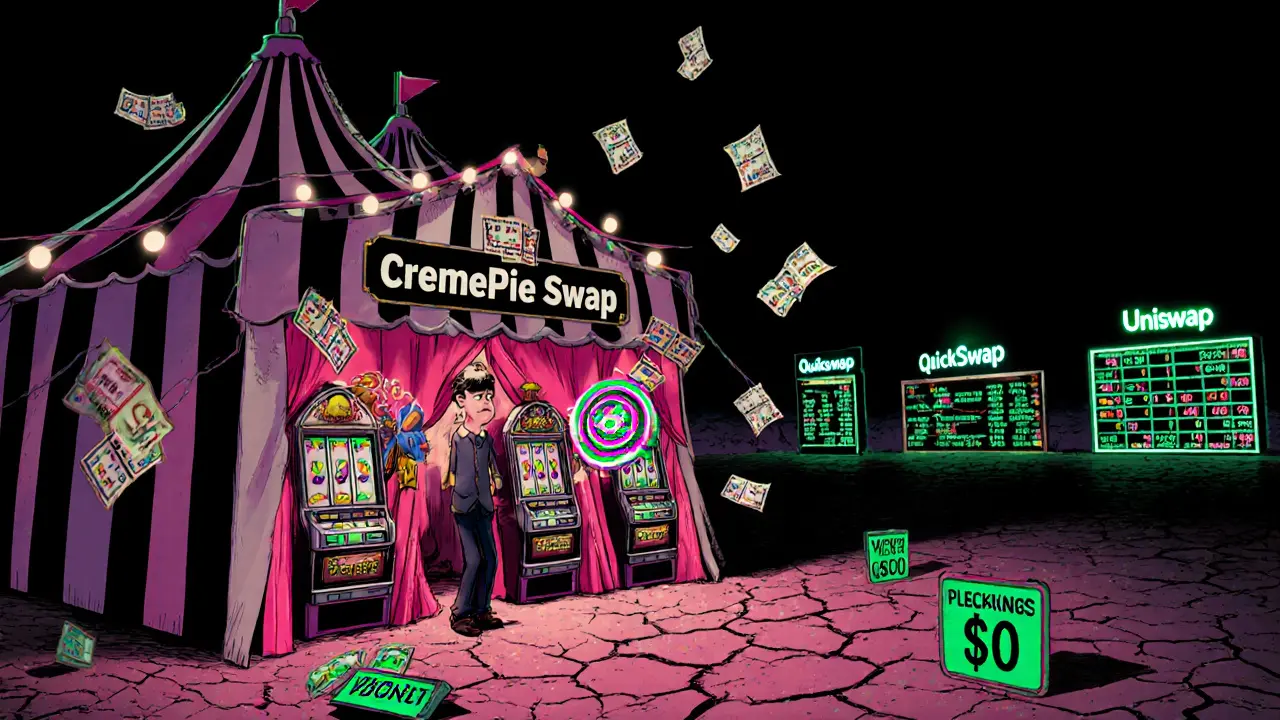
When you hear DeFi scam, a fraudulent scheme in decentralized finance that tricks users into handing over their crypto, think of it like a magic trick—you’re watching the flashy hand, while the real theft happens out of sight. DeFi scams aren’t just bad luck. They’re well-designed traps that exploit trust, urgency, and confusion. They show up as fake airdrops, fake yield farms, or tokens with names that sound like real projects—like OmniCat (OMNI), a meme coin with zero trading volume and fake price data, or Brokoli Network (BRKL), a project that claimed environmental impact but dropped 99.84% in value. These aren’t outliers. They’re textbook examples of how DeFi scams operate: promise big returns, vanish fast, and leave users with empty wallets.
Most rug pulls, a type of DeFi scam where developers drain liquidity and disappear happen because people skip the basics. They don’t check if the team is anonymous. They don’t look at the contract code. They don’t see if the token has real trading volume—or if it’s just bots pretending to trade. You’ll find Squirrex Exchange, a fake platform shut down for stealing user funds or EasiCoin, a non-KYC exchange with zero audits and multiple reports of lost money. These aren’t random failures. They’re predictable outcomes of ignoring basic safety steps. And it’s not just about exchanges. Even liquid staking protocols, tools meant to earn rewards without locking up crypto can be risky if the smart contracts haven’t been audited. One glitch, one hack, and your staked ETH could vanish.
The truth? DeFi doesn’t have to be dangerous. But you have to treat every new project like a stranger asking for your house keys. If it promises 1000% returns in a week, if the team has no names or social media, if the website looks like it was made in 2017—it’s a scam. You don’t need to be a coder to protect yourself. You just need to ask the right questions. What’s the real use case? Who’s behind it? Is the liquidity locked? Are there real users, or just fake numbers? The posts below show you exactly how these scams play out, from the fake airdrops that look like free money to the cross-chain bridges that stole $21.8 billion in illicit funds. You’ll see real examples, real data, and real ways to walk away safe.