DeFi Liquidation: What It Is, Why It Happens, and How to Avoid It
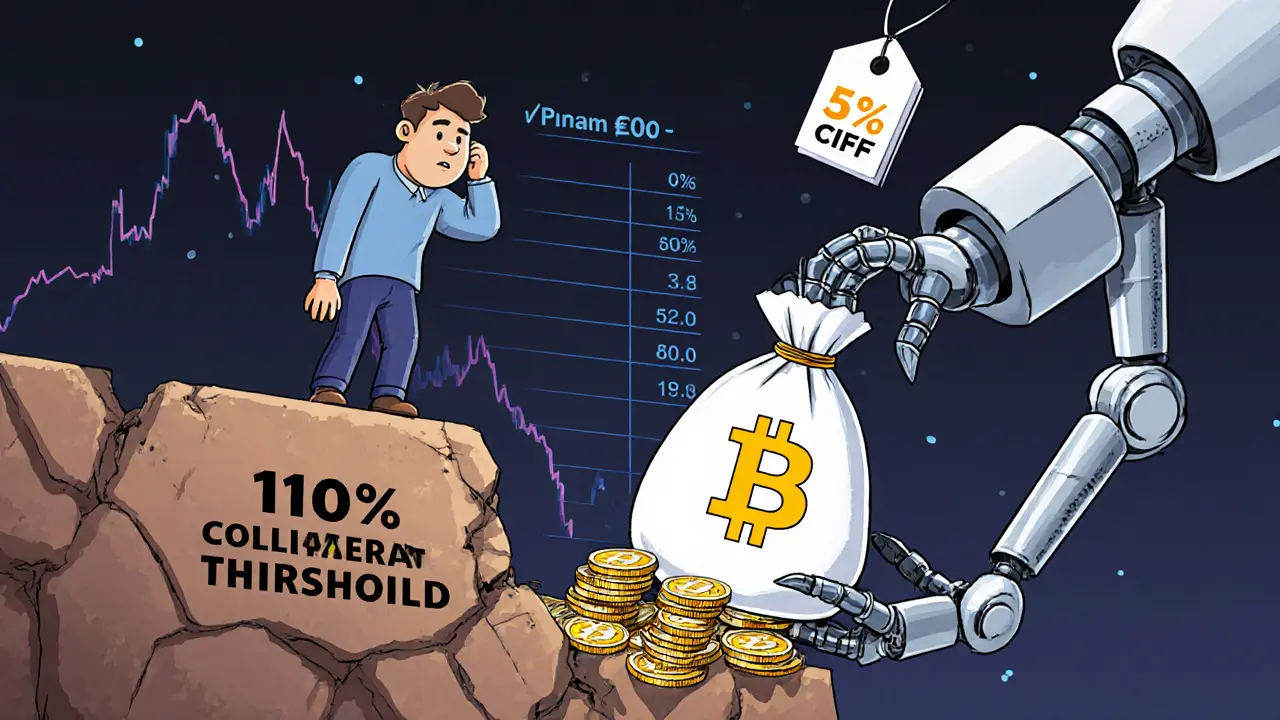
When you borrow crypto in DeFi, you put up collateral, crypto you lock up as security to get a loan. If the value of that collateral drops too far, the system automatically sells it off to cover the loan. That’s DeFi liquidation, the automatic forced sale of your assets when your loan becomes under-collateralized. It’s not a mistake—it’s built into the code. And if you don’t watch your position, it can happen in minutes.
Most DeFi loans require you to keep more collateral than you borrow—usually 150% or higher. That’s called the loan-to-value ratio, the percentage of your loan compared to the value of your collateral. If you borrow $1,000 worth of USDC, you might need to lock up $1,500 in ETH. But if ETH drops 40%, your collateral is now worth $900, and your loan is underwater. The smart contract sees that and triggers a liquidation. This isn’t about banks or human judgment—it’s pure math running on smart contracts, self-executing code on blockchains that enforce DeFi rules without intermediaries.
Some people think liquidation only happens to beginners. It doesn’t. Even experienced traders get caught when they over-leverage or ignore price swings. A sudden market drop, a failed token launch, or even a big whale selling can trigger a cascade. That’s why monitoring your position isn’t optional—it’s survival. You need alerts, buffer zones, and a plan before the price moves. Platforms like Aave and Compound have different liquidation thresholds, and some DeFi apps hide the real risk behind confusing interfaces. Knowing which ones are more aggressive can save you money.
There’s no magic trick to avoid liquidation, but there are simple habits: never borrow more than you can afford to lose, keep extra collateral on hand, and avoid volatile assets as collateral. If you’re using a token with low liquidity—like a new meme coin—you’re playing with fire. The system can’t sell it fast enough when it needs to, and your position gets wiped anyway. Liquidation isn’t the enemy. Ignorance is.
Below, you’ll find real-world examples of how DeFi liquidation plays out—whether it’s a failed airdrop that crashed a token’s price, a risky exchange that didn’t warn users, or a stablecoin that lost its peg and dragged everything down. These aren’t hypotheticals. People lost everything. Learn from what went wrong before you’re next in line.