CPIE Token: What It Is, How It Works, and Where It Fits in Crypto
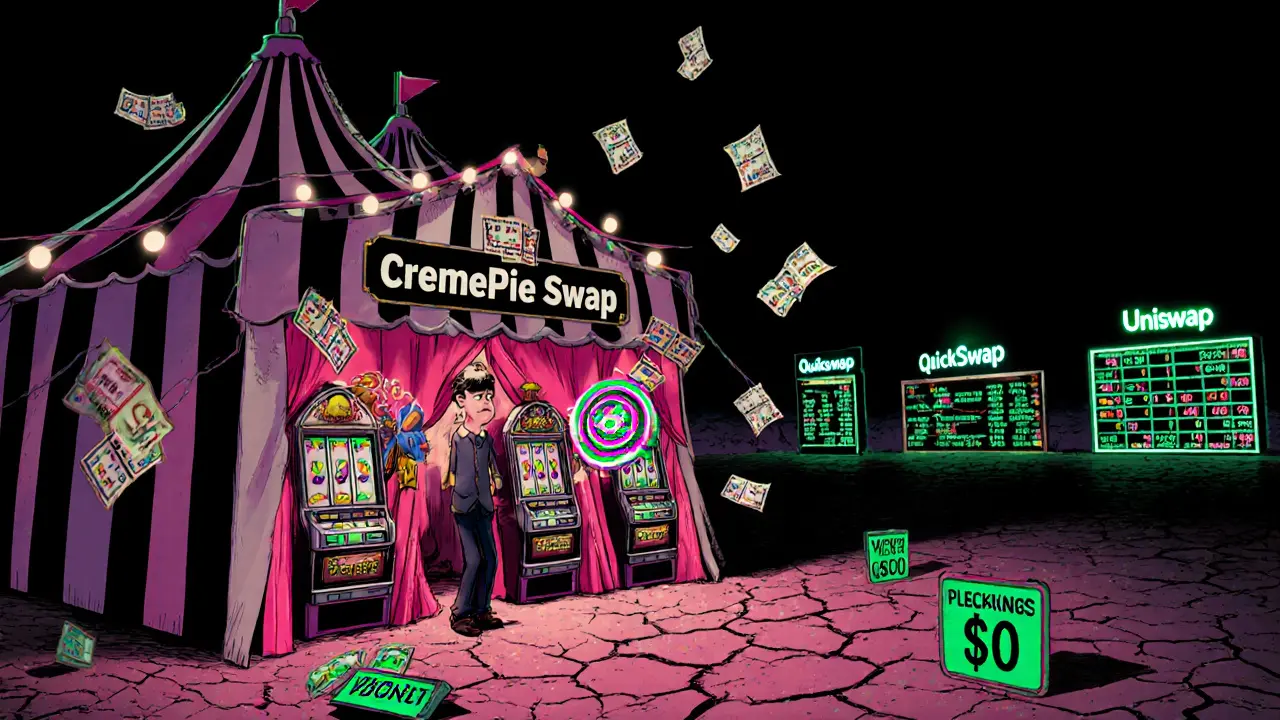
When you hear CPIE token, a digital asset built on a blockchain network designed for specific utility within a protocol or ecosystem. Also known as CPIE cryptocurrency, it’s not just another coin—it’s a functional unit that powers access, rewards, or governance in its native system. Unlike Bitcoin or Ethereum, which serve as broad digital currencies, CPIE token is usually tied to a single project’s goals—whether that’s paying for services, earning staking rewards, or voting on upgrades. Most tokens like this don’t trade on major exchanges. They live in niche ecosystems, and their value comes from real use, not hype.
Related entities like tokenomics, the economic design behind how a token is created, distributed, and used determine whether CPIE lasts or fades. If the supply is unlimited, rewards are unsustainable, or no one actually uses it, the token collapses—even if the website looks professional. That’s why you’ll find posts here breaking down tokens like BRKL, OMNI, and RGAME: they all show what happens when tokenomics ignore real demand. CPIE token might be new, but the patterns aren’t. You’ll see how DeFi tokens, crypto assets built to enable decentralized finance functions like lending, staking, or trading often fail without clear utility, and how blockchain tokens, digital assets issued on public ledgers with verifiable ownership and transfer rules can be either tools or traps.
What you’ll find in this collection aren’t hype posts or price predictions. These are real breakdowns of tokens that tried to do something—whether it was rewarding environmental action, enabling cross-game NFTs, or replacing failed platforms. Some worked. Most didn’t. CPIE token sits in the same space: is it solving a real problem, or just riding the wave? You’ll see how projects like CARDS and VEUR tie tokens to tangible assets, while others like OMNI and JMPT rely on community behavior. There’s no magic formula, but there are red flags you can spot: zero trading volume, anonymous teams, fake price charts. The posts here teach you how to tell the difference before you invest.