Archstronaut Program: What It Is and Why It Matters in Crypto and Blockchain
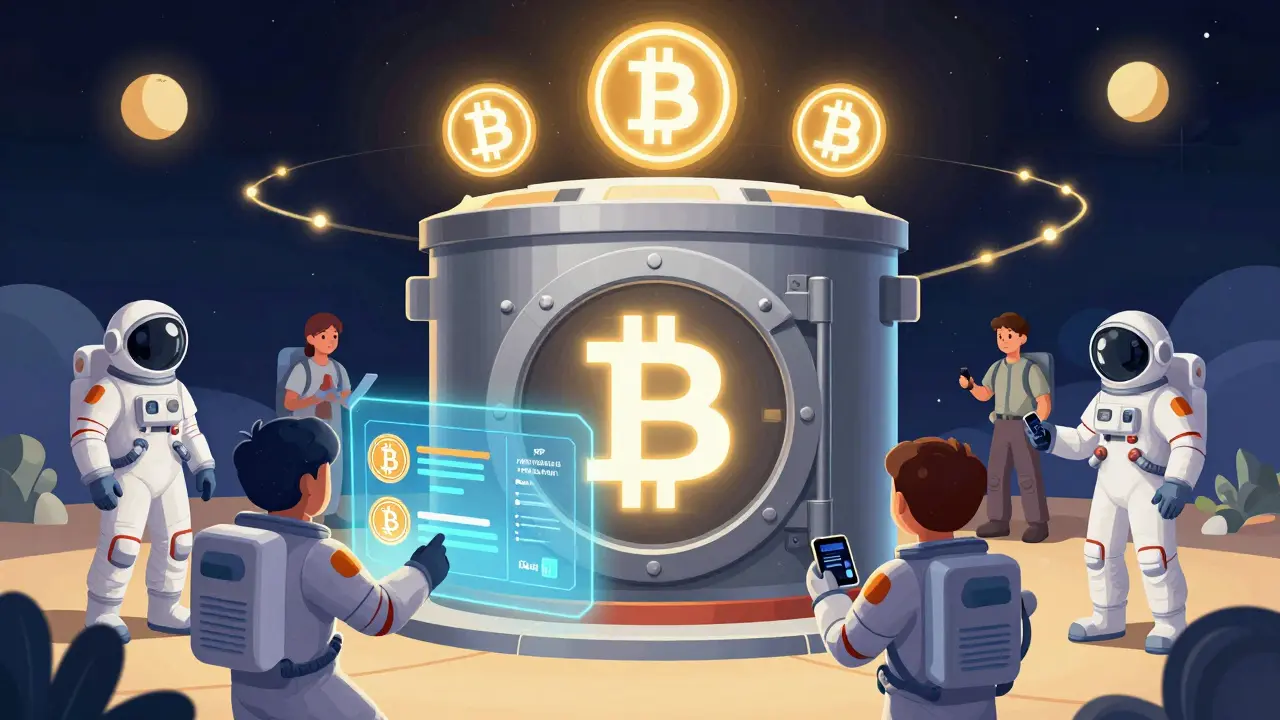
When you hear Archstronaut Program, a community-driven initiative tied to blockchain governance and token-based rewards. Also known as Archstronauts, it represents a growing trend where users earn influence and compensation not just for holding tokens, but for actively shaping the future of a network. Unlike typical airdrops that hand out free coins with no strings attached, the Archstronaut Program asks you to do something—vote, test, report, or contribute—before you get paid. It’s not a giveaway. It’s a contract.
This model connects directly to how blockchain governance, the system by which decisions are made on decentralized networks. Also known as on-chain voting, it is shifting from top-down control to community-led direction. Projects like Ethereum, Cosmos, and even smaller DeFi platforms now rely on active participants to approve upgrades, allocate funds, or fix bugs. The Archstronaut Program is built on that same idea: if you care enough to show up, you deserve a stake. That’s why it often ties rewards to verified contributions, not just wallet addresses. It’s a filter against bots and speculators.
What makes this different from other crypto programs? Most airdrops—like the ones you see for crypto airdrops, free token distributions meant to bootstrap user adoption. Also known as token giveaways, it—are designed to attract attention, not loyalty. They flood wallets with worthless tokens and vanish. The Archstronaut Program, based on patterns in the posts here, seems to be built differently. It’s linked to real activity: testing wallets, submitting feedback on interfaces, joining governance votes, or even helping document protocols. That’s why you’ll find posts in this collection about fake airdrops like CFL365 and CHY—because the Archstronaut Program stands in contrast to those scams. It demands work, and it pays for it.
And that’s where DeFi rewards, earnings generated by participating in decentralized finance protocols. Also known as staking incentives, it come in. This isn’t just about claiming free tokens. It’s about earning value through sustained engagement. The Archstronaut Program often layers rewards: early participants get higher token allocations, active contributors get voting power, and long-term members may even influence the direction of the project itself. It mirrors how institutions now invest in Bitcoin—not for quick flips, but for long-term alignment. The same logic applies here.
Underneath it all is tokenomics, the economic design behind how tokens are created, distributed, and used within a system. Also known as token design, it—the invisible rules that make the whole thing work. A bad token model collapses. A good one creates a self-sustaining loop: users contribute, get rewarded, reinvest, and attract others. The Archstronaut Program’s success depends entirely on whether its tokenomics are fair, transparent, and durable. That’s why posts in this collection dig into real performance data, not hype. You’ll find breakdowns of token supply, vesting schedules, and real trading volume—not just promises.
So what’s here for you? A collection of real, verified stories—not speculation. You’ll see what actually happened with BinaryX’s token swap, why CFL365 is a scam, how Indonesia’s rules affect participation, and how to spot the difference between a project that’s building something and one that’s just taking your time. This isn’t a list of free money opportunities. It’s a guide to understanding who’s actually earning value—and how.