
Apertum DEX Review: High‑Performance Decentralized Exchange on Avalanche
A detailed review of Apertum DEX, covering performance, fees, tokenomics, governance, and how it compares to Uniswap and Apex.
When looking at Apertum DEX, a decentralized exchange built on Layer‑2 technology that lets users swap tokens with low fees and instant settlement. Also known as Apertum, it runs through smart contracts and relies on liquidity pools to source price data. Apertum DEX review therefore touches on three core ideas: token swaps, pool dynamics, and on‑chain governance.
A token swap is the basic action users perform on any DEX. On Apertum, the swap engine executes directly inside a smart contract, meaning no middle‑man can alter the rate once the transaction is signed. This design reduces slippage and makes it easier to compare against centralized alternatives. The platform’s fee structure—0.15 % per trade plus a small gas cost—relies on the depth of its liquidity pools, which in turn are fed by users who stake assets for a share of the fees. Understanding how swaps, fees, and pool size interact helps traders estimate real costs before they hit the “Swap” button.
Liquidity pools are more than just buckets of tokens. Each pool tracks the ratio of its two assets, and that ratio determines the price a trader receives. Apertum’s automated market maker uses a constant‑product formula, so larger pools keep prices stable even during big trades. However, shallow pools can cause price impact that looks like hidden fees. When reviewing Apertum, you’ll want to check pool depth, recent volume, and the diversity of assets supported. These attributes directly influence the platform’s usability for both casual swaps and larger arbitrage moves.
Smart contracts also bring security considerations. Because the swap logic lives in code, any vulnerability could let attackers drain funds. Apertum’s contracts have been audited by reputable firms, but the review still examines audit reports, bug bounty programs, and the process for upgrading contracts. A transparent governance token—often called an “APT” token—lets holders vote on parameter changes, such as fee adjustments or new pool additions. This governance layer links back to liquidity because token holders have a stake in keeping pools healthy and fees competitive.
All these pieces—token swaps, liquidity pools, smart‑contract safety, and governance—form the backbone of a solid decentralized exchange analysis. Below you’ll find a curated collection of in‑depth articles, safety checklists, and performance breakdowns that together give you a full picture of Apertum DEX and help you decide whether it fits your trading style.
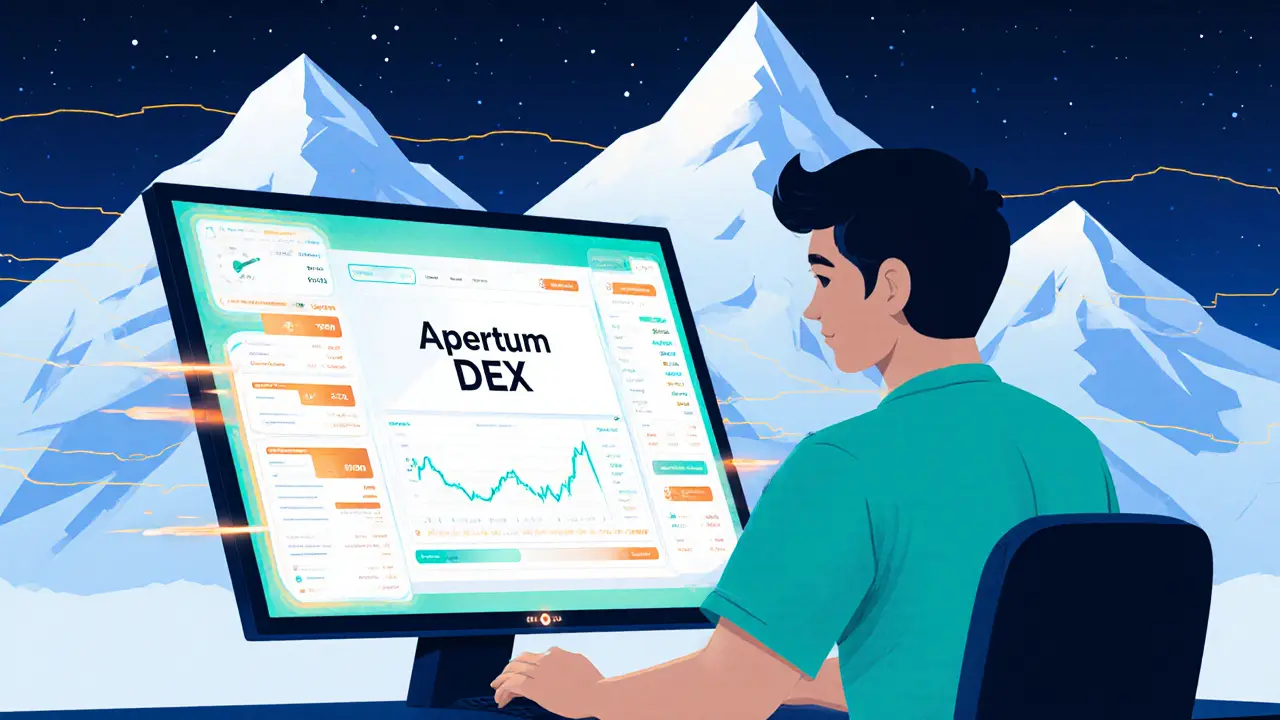
A detailed review of Apertum DEX, covering performance, fees, tokenomics, governance, and how it compares to Uniswap and Apex.