


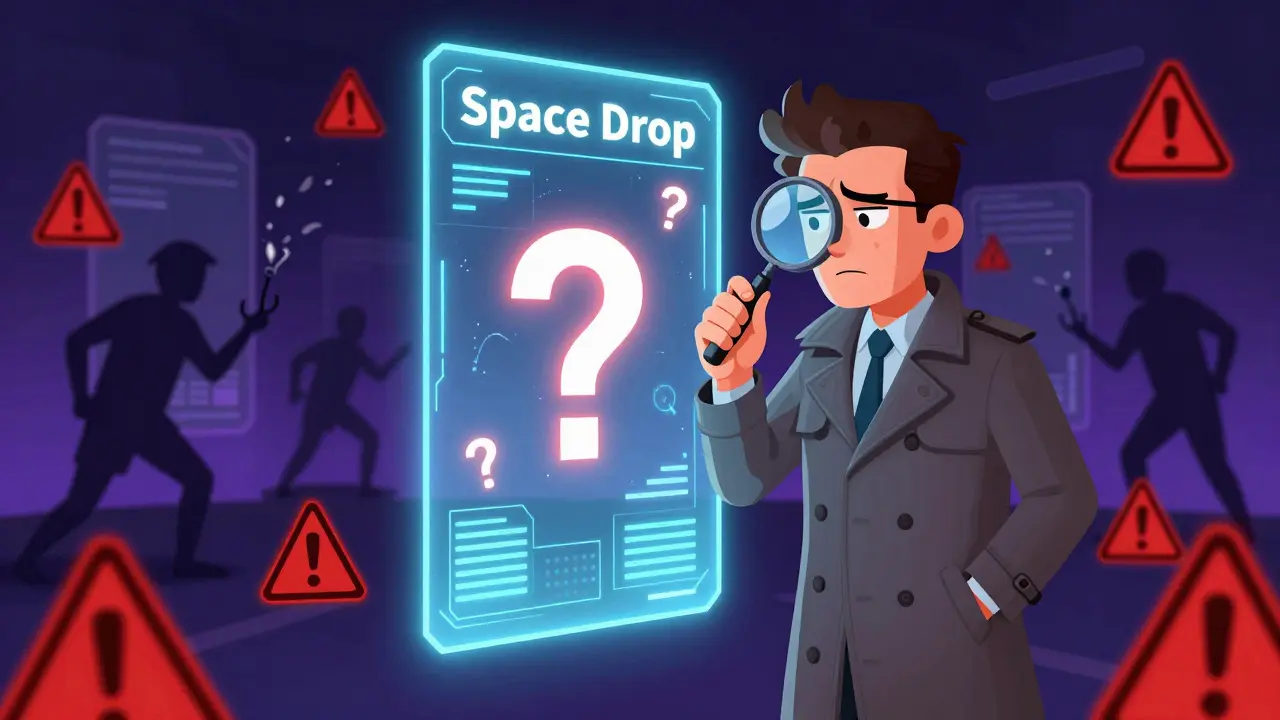
You’ve probably seen the buzz around the DeSpace Protocol a DeFi and NFT aggregation platform aiming to unify liquidity across chains. Specifically, you’re looking for details on the "Space Drop" airdrop involving their native DES token. Here is the hard truth right out of the gate: as of mid-2026, there is no verified, comprehensive public documentation confirming a specific, standalone campaign called "Space Drop" with fixed eligibility dates or guaranteed allocation amounts. This absence of clear data is not just a gap in information; it is a critical red flag that every crypto participant must respect.
In the world of decentralized finance, ambiguity is often a weapon used by scammers. When a project promises free tokens but lacks transparent mechanics, snapshot dates, or official whitepaper references, the risk skyrockets. This guide will help you navigate this uncertainty, understand what DeSpace Protocol actually offers, and most importantly, how to protect your digital assets while waiting for-or verifying-any potential airdrop opportunities.
Understanding DeSpace Protocol and the DES Token
To evaluate any airdrop, you first need to understand the ecosystem behind it. DeSpace Protocol is a multifunctional DeFi and NFT aggregator designed to simplify cross-chain interactions. It attempts to solve fragmentation by bringing together various protocols into a single interface. The native utility token for this ecosystem is the DES token.
The protocol’s architecture relies on three main pillars:
- DeSwap: A cross-chain decentralized exchange (DEX) using an Automated Market Maker (AMM) model. It supports limit orders and margin staking, aiming to provide better price execution than standard swaps.
- DeLending: An interest-generating loan platform. Similar to the MakerDAO model, it allows users to borrow stablecoins against frozen collateral assets.
- DeChain: A layer that enables users to leverage multiple blockchains from a single dashboard, reducing the friction of bridging assets manually.
The DES token is intended to govern these systems, pay for transaction fees, and potentially reward participants in liquidity mining programs. However, the value of the token depends entirely on the adoption of these tools and the security of the underlying smart contracts.
The "Space Drop": Fact vs. Fiction
Why is there so much confusion about the "Space Drop"? In the crypto space, marketing teams often use catchy names like "Drop," "Genesis," or "Galaxy" for campaigns. Sometimes, these are legitimate rewards for early testers. Other times, they are fabricated narratives created by third-party sites to harvest wallet addresses or seed phrases.
Currently, official channels for DeSpace Protocol do not provide a centralized, verifiable page detailing a "Space Drop" with specific criteria such as:
- A definitive snapshot date (when your wallet balance is recorded).
- A clear distribution timeline (when tokens are sent).
- An official claim contract address (verified on Etherscan, BscScan, etc.).
- Total supply allocated for the airdrop.
If you have encountered a website claiming you are eligible for the "Space Drop" and asking you to connect your wallet immediately, proceed with extreme caution. Legitimate airdrops rarely require complex interactions before the claim phase, and they never ask for your private key or seed phrase.
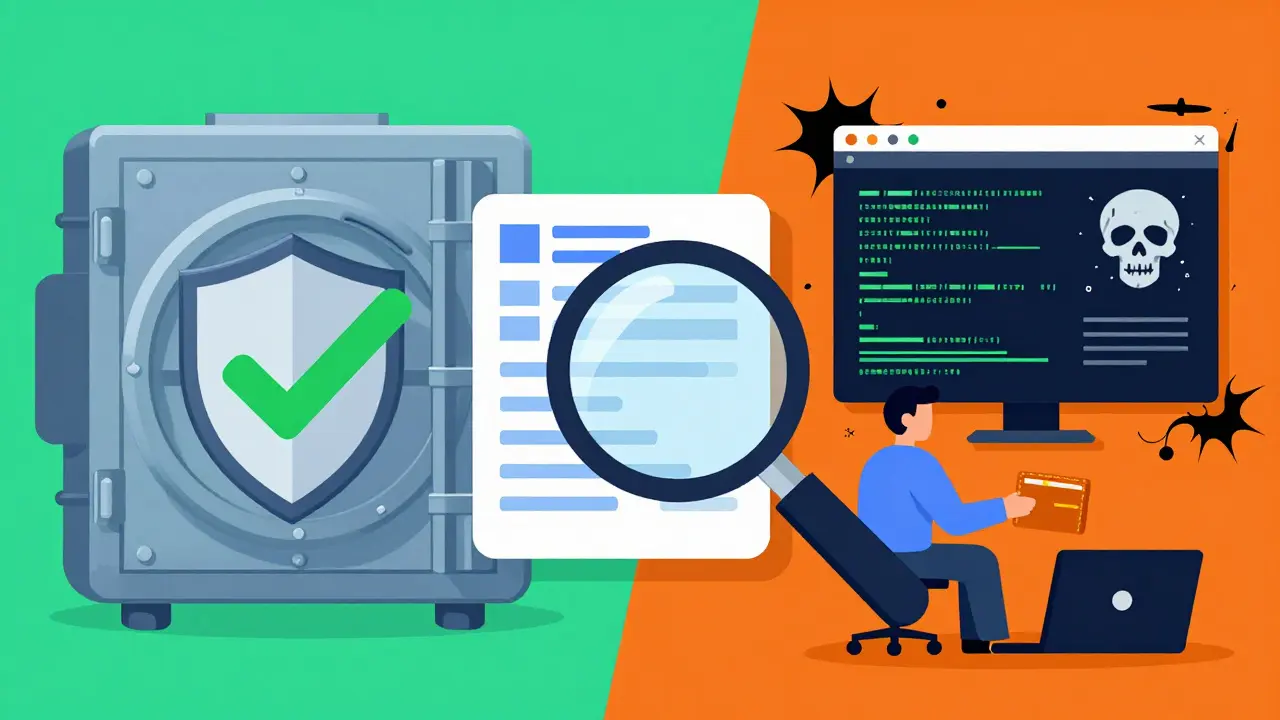
How to Verify Airdrop Eligibility Safely
Since specific details are missing, you must adopt a defensive posture. Here is a step-by-step framework to determine if you might be eligible for future distributions or if you are being targeted by a scam.
- Check Official Sources Only: Ignore Telegram groups, Twitter DMs, and unsolicited emails. Go directly to the official DeSpace Protocol website and their verified social media accounts (look for the blue checkmark). If the "Space Drop" is real, it will be announced there first.
- Review On-Chain Activity: Did you interact with DeSwap or DeLending in the past? Many airdrops reward historical usage. Check your transaction history on blockchain explorers. If you have no interaction with the protocol, you are likely not eligible for a merit-based drop.
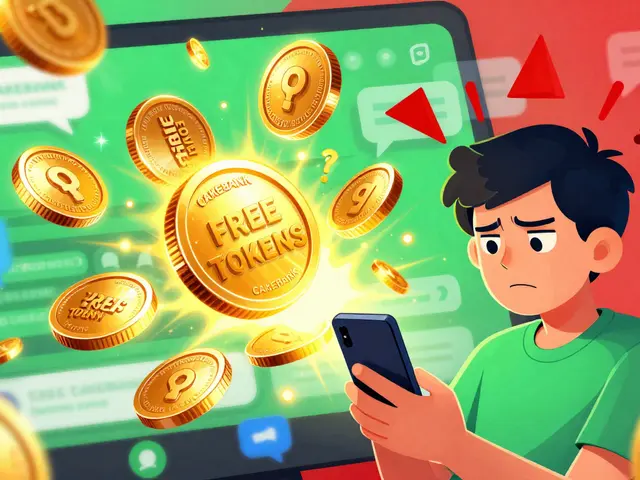
- Beware of "Claim" Sites: Scammers create fake landing pages that mimic the official design. They will show you a large number of DES tokens waiting for you. To "claim" them, they ask you to pay a small gas fee or approve a malicious contract. Never approve unknown contracts. Use tools like Revoke.cash to manage your token approvals regularly.
- Community Consensus: Look at discussions on reputable forums like Reddit or specialized Discord servers. Are other experienced users talking about the Space Drop? Or are people reporting phishing attempts? Community sentiment is a powerful indicator of legitimacy.
Comparison: Legitimate Airdrops vs. Scam Campaigns
| Feature | Legitimate Airdrop | Scam / Phishing Attempt |
|---|---|---|
| Announcement Source | Official website, verified Twitter, GitHub repo | DMs, random Telegram bots, unverified blogs |
| Eligibility Criteria | Clear: e.g., "Held X token before Date Y" or "Used DEX Z times" | Vague: "Everyone is eligible! Just connect wallet!" |
| Cost to Claim | Only network gas fees (paid to the blockchain) | Requests for upfront payment, "verification fees," or excessive gas estimates |
| Contract Verification | Source code verified on Etherscan/BscScan | Unverified contracts, new addresses created days ago |
| Urgency | Generous timeframes (weeks/months) to claim | High pressure: "Claim within 24 hours or lose it!" |
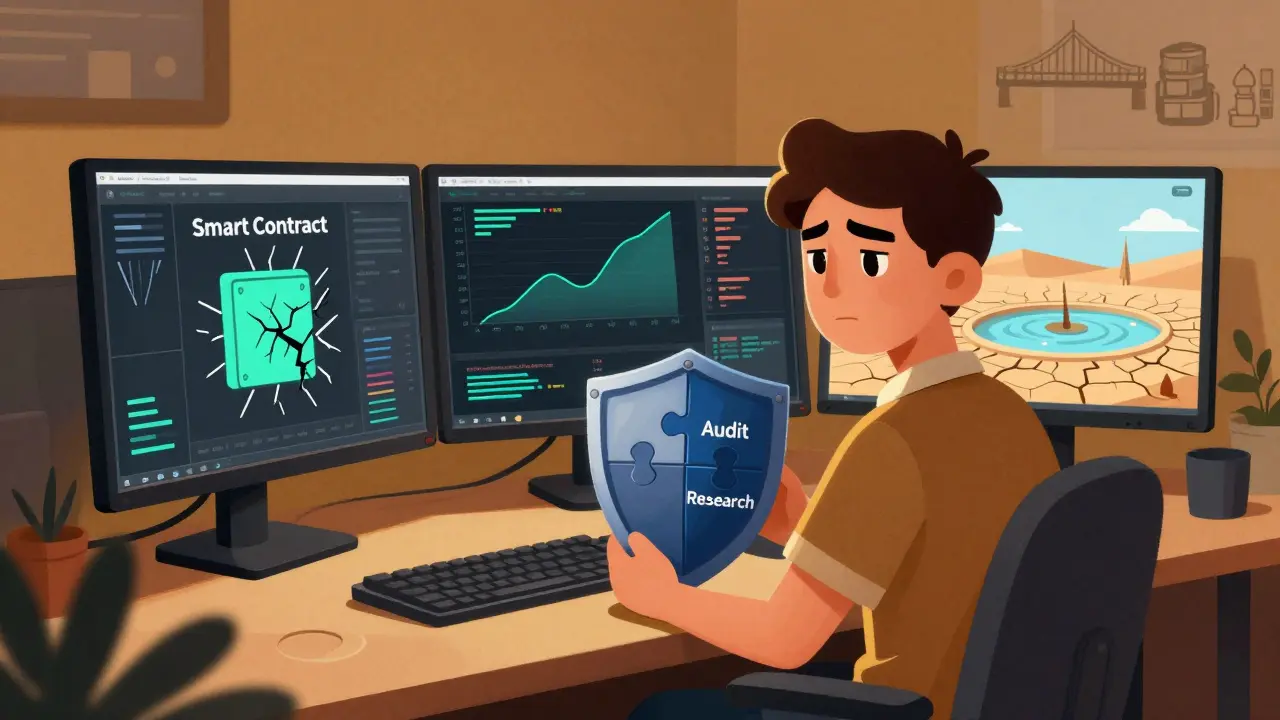
Risks Associated with DES Token and DeFi Aggregators
Even if the Space Drop turns out to be legitimate, holding and interacting with DES tokens carries inherent risks common to the DeFi sector.
Smart Contract Risk: DeSpace Protocol involves complex cross-chain bridges and lending mechanisms. Any bug in the code can lead to exploits. While audits are standard, they are not guarantees. Always check if recent audits have been published by reputable firms like CertiK or OpenZeppelin.
Liquidity Risk: As an aggregator, DeSpace relies on deep liquidity pools. If the DES token has low trading volume, selling large amounts could result in significant slippage, meaning you get less value than expected. Always check the liquidity depth on DEXs before swapping.
Regulatory Uncertainty: By 2026, global regulations on DeFi aggregators are tightening. Depending on your jurisdiction, interacting with certain lending or staking platforms may have tax implications or legal restrictions. Stay informed about local laws regarding crypto assets.
What Should You Do Next?
If you are interested in DeSpace Protocol, take a proactive but cautious approach. Instead of chasing an unverified airdrop, engage with the protocol organically. Try using DeSwap for small trades or DeLending for minor positions. This not only helps you understand the product but also increases your chances of being included in any future merit-based rewards.
Set up alerts for official announcements. Follow the project’s development updates on GitHub. If developers are actively committing code and fixing issues, the project is more likely to be sustainable. If the repository is silent, consider moving your capital elsewhere.
Remember, in crypto, if something sounds too good to be true, it almost always is. The "Space Drop" remains unverified. Protect your keys, verify your sources, and never rush into transactions driven by fear of missing out (FOMO).
Is the DeSpace Protocol Space Drop a scam?
There is currently no official confirmation of a "Space Drop" campaign from DeSpace Protocol. The lack of verifiable details suggests that many online claims may be scams. Always rely on official project channels for verification.
How do I know if I am eligible for a DeSpace airdrop?
Eligibility usually depends on past interactions with the protocol, such as swapping on DeSwap or providing liquidity. Without an official announcement specifying snapshot dates and criteria, you cannot confirm eligibility. Do not trust third-party websites claiming you are eligible.
What is the DES token used for?
The DES token is the native utility token of the DeSpace Protocol ecosystem. It is used for governance, paying transaction fees, and potentially staking rewards within the DeSwap, DeLending, and DeChain modules.
Can I claim the Space Drop now?
No. Since there is no official claim contract or verified announcement, attempting to claim tokens through unofficial links poses a high risk of losing your funds to phishing attacks.
Is DeSpace Protocol safe to use?
Like all DeFi platforms, DeSpace carries smart contract and liquidity risks. It is essential to review recent security audits and start with small amounts to test the platform. Never invest more than you can afford to lose.
Where can I find official DeSpace Protocol updates?
Official updates are posted on the DeSpace Protocol website, their verified Twitter/X account, and their Discord server. Avoid Telegram groups or email newsletters that are not linked directly from these primary sources.

People Comments
I have been watching this space for years and it is clear that the entire DeFi ecosystem is a massive Ponzi scheme designed to harvest our data and drain our wallets. The government knows this but they are too corrupt to stop it. They want you to connect your wallet so they can track every single transaction you make. Do not trust these protocols. They are all part of a grand conspiracy to control the global economy through digital slavery. Wake up people before it is too late.
Oh please, spare me the paranoia. You are clearly missing out on the biggest opportunity of the decade because you are too busy reading tin foil hats. I already connected my wallet to three different 'Space Drop' sites and I am sitting pretty while you sit here typing nonsense. Emojis are for children but I will use them anyway because I am winning at life 🚀🌕💎. You guys are just jealous of my gains.
hey ran you really should be more careful about connecting to unknown contracts i know you think you are smart but scammers are getting better every day i helped a friend last week who lost his entire portfolio because he clicked a link in telegram it was sad to watch him cry over dinner we should probably stick to verified sources only
The moral decay of this industry is astounding :-( People like Ran Tao represent everything wrong with modern society where greed outweighs safety and common sense. We are allowing unregulated entities to play with our financial futures without any accountability. It is a sin against humanity to encourage such reckless behavior. We must stand together against these predatory practices and demand justice for those who have been exploited by these fake airdrops.
stop crying and read the whitepaper if you cant understand basic blockchain tech then stay away from crypto its not for everyone dont waste our time with your feelings
Listen up folks. I have been in this game since 2013 and let me tell you something. Most of you are walking around with your pants down waiting to get robbed. The DES token is likely a rug pull waiting to happen. I see the code and it looks suspicious as hell. Don't come crying to me when your bags go to zero. Stay sharp or get left behind 😎📉
yo keith is right though we gotta stay positive and keep learning every loss is a lesson right? i tried swapping some des tokens yesterday and it was kinda fun even if i lost a bit lets keep the energy high and support each other through the volatility 💪✨
I feel like we are all just trying to find our way in this chaotic digital landscape. It is okay to make mistakes but we must learn from them. Let us create a safe space here where we can share information without judgment. If someone loses money due to a scam let us help them recover rather than mocking them. Unity is strength my friends.
i guess thats fair maybe we should focus on education instead of blame
By the great cosmic web! This discussion is heating up like a supernova in a black hole! I say we burn the bridges to these shady protocols and float free on the winds of decentralization! Who is with me? Let us storm the gates of ignorance and bring light to the darkness of these unverified claims! 🔥🌌
hamza you are very dramatic but i like your passion. i think we should all take a deep breath and look at the facts. there is no official announcement yet so why rush? lets wait and see what happens next
It is truly disheartening to witness the sheer lack of intellectual rigor displayed in this thread. One would expect a higher standard of discourse from individuals claiming to participate in decentralized finance. The concept of verifying contract addresses is elementary, yet here we are, debating emotions rather than technical specifications. Please educate yourselves before engaging further.
You elitists are all the same. Hiding behind your big words while the real users get screwed. I analyzed the transaction patterns and found multiple links to known mixer services. This is not an accident. This is malicious design. Stop pretending you are smarter than the criminals. You are just lazy.
oh wow that is intense korn. i wonder if the developers knew about those mixers or if it was a hack? it makes me curious how they secure their funds now. maybe we could start a group to audit the code together? i have some experience with solidity
Let us be clear about one thing: ignorance is not bliss, it is liability. Those who fail to perform due diligence are complicit in their own victimization. The market does not care about your feelings or your excuses. It cares about value and security. If you cannot grasp the basics of smart contract verification, you do not deserve to participate in this ecosystem.
I believe that every person has the capacity to learn and grow. Instead of shaming those who are new, perhaps we should guide them. The philosophy of open source is about collaboration and transparency. Let us embody that spirit. What do you think? How can we make this community safer for everyone?