How Venezuela Uses Crypto to Evade Sanctions
Explore how Venezuela built a crypto ecosystem-PETRO, state exchanges, and USDT stablecoins-to sidestep sanctions, the compliance red flags, and what the future may hold.
When dealing with Venezuela cryptocurrency sanctions, the collection of U.S., EU and UN measures that restrict crypto activity tied to the Venezuelan regime. Also known as Venezuelan crypto restrictions, they impact everything from token listings to cross‑border payments.
These sanctions, legal tools that freeze assets, block financing and limit market access aren’t just paperwork; they shape how crypto exchanges, platforms that let users trade, deposit and withdraw digital assets onboard Venezuelan users. Exchanges with robust KYC and AML programs can stay in the game, while those that ignore the rules risk being shut down or fined.
International bodies like FinCEN and the EU’s MiCA framework drive cross‑border crypto monitoring, the real‑time tracking of crypto flows across jurisdictions. This monitoring feeds into sanctions enforcement, creating a feedback loop: the more transparent a transaction, the easier it is to flag prohibited parties. For traders, that means staying aware of the travel‑rule requirements and the extra data points that exchanges now demand.
Geography also matters. While some platforms operate globally, others restrict access based on IP or citizenship. If you’re in Venezuela, you’ll often see “service unavailable” messages on major CEXs because the firms have been instructed to block any onboarding that could trigger sanction breaches. Decentralized exchanges (DEXs) sidestep some of those checks, but regulators are catching up, and new AML‑focused DEX tooling is emerging.
What does this mean for you? First, know the key attributes of the sanctions regime: asset freezing, prohibition of crypto‑related services, and penalties for facilitation. Second, understand that compliance is not optional – it determines whether you can safely trade on a given platform. Third, keep an eye on monitoring updates; a new FinCEN rule can instantly change which wallets are flagged as high‑risk.
Below you’ll find a curated set of articles that dive into related areas: from reviews of exchanges that are currently under scrutiny, to guides on how cross‑border crypto monitoring works, and practical tips for staying compliant in a sanction‑heavy environment. Each piece pulls together real‑world examples, data‑driven analysis and actionable steps, so you can navigate the complex landscape without getting caught off‑guard.
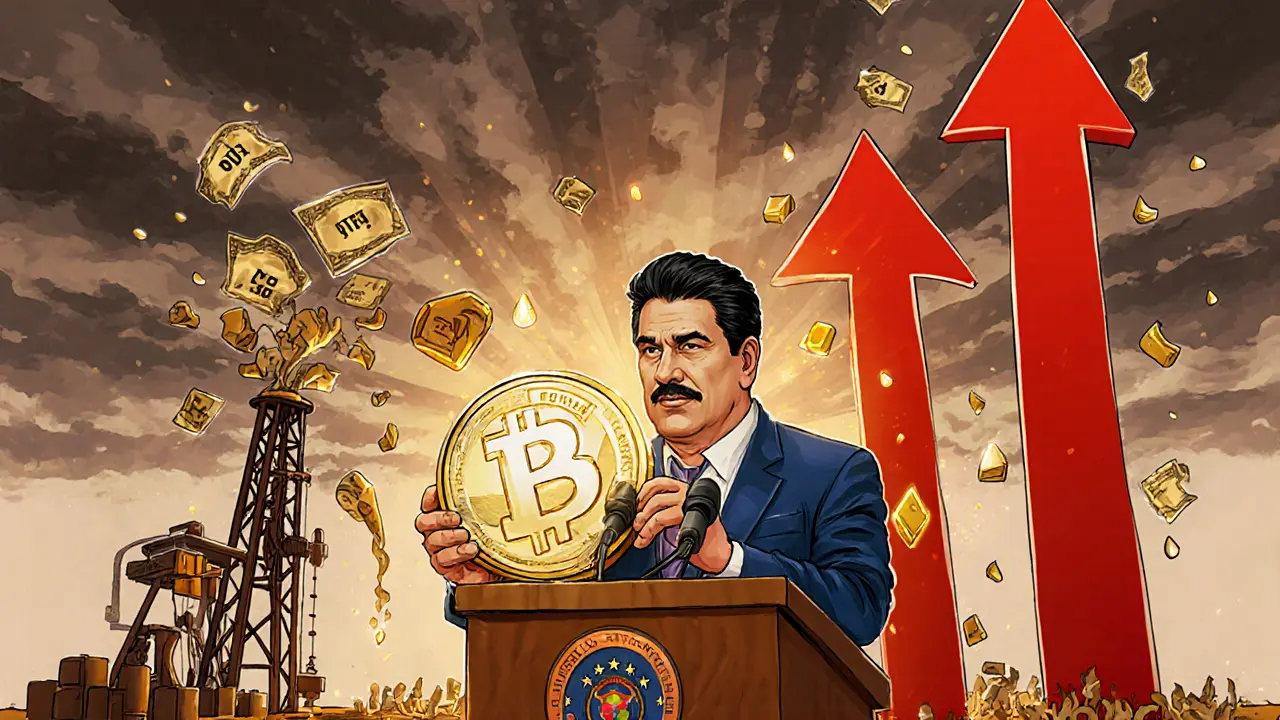
Explore how Venezuela built a crypto ecosystem-PETRO, state exchanges, and USDT stablecoins-to sidestep sanctions, the compliance red flags, and what the future may hold.