MAI (MIMATIC) Explained: The Over‑collateralized Stablecoin on Polygon
A clear, conversational guide to MAI (MIMATIC), the decentralized over‑collateralized stablecoin on Polygon-how it works, where to use it, risks, and future outlook.
When you hear QiDAO, a community‑run Decentralized Autonomous Organization that manages a native token and funds DeFi projects. Also known as Qi DAO, it lets anyone with the token take part in decision‑making, earn rewards, and influence the roadmap.
The core idea behind any Decentralized Autonomous Organization, a structure where rules are encoded in smart contracts and power is distributed among token holders
Another key piece is Tokenomics, the economic design of a token, covering supply, distribution, incentives, and utility
These three concepts intersect in a simple chain: QiDAO encompasses community governance, governance requires token staking, and token staking fuels the DAO’s treasury. In practice, QiDAO’s smart contracts enforce proposals, voting periods, and reward calculations without a central authority. That means transparency, lower friction, and the ability to pivot quickly as market conditions change.
DeFi projects need capital, credibility, and a clear direction. QiDAO supplies all three by pooling token‑based contributions and letting the community allocate funds. This model mirrors traditional venture capital but replaces a handful of investors with thousands of token holders. Because decisions happen on‑chain, every vote is recorded, auditable, and immutable. The result is a feedback loop: higher participation improves governance quality, which boosts token confidence, which in turn attracts more participants.
From a technical side, QiDAO relies on smart contracts, self‑executing code on a blockchain that enforces rules automatically
Those contracts enable key features: proposal submission, quorum thresholds, time‑locked execution, and reward distribution. When a proposal passes, the contract releases funds to the project’s address, removing the need for manual oversight. This automation reduces human error and builds trust among contributors.
Governance also ties directly to tokenomics. QiDAO typically issues a fixed‑supply token, a portion of which circulates to early supporters, while the rest stays locked for future distribution. Stakers earn a slice of the DAO’s earnings, creating a direct financial incentive to vote responsibly. The token’s utility expands beyond voting; holders can use it as collateral, trade it on exchanges, or stake it to boost their voting weight.
Risk management is another piece of the puzzle. QiDAO’s community can vote to adjust parameters like quorum size, reward rates, or even pause the DAO in extreme cases. This flexibility helps protect the treasury from sudden market crashes or malicious proposals. In short, the DAO’s governance tools act as a built‑in safety net.
Because QiDAO is open‑source, developers can fork its contracts, customize voting mechanisms, or integrate new financial products. This openness fuels innovation across the ecosystem, spawning spin‑offs, liquidity mining schemes, and cross‑chain collaborations. The impact ripples out to other DeFi platforms that adopt similar DAO structures, amplifying the benefits of decentralized decision‑making.
For anyone looking to join a thriving DeFi community, QiDAO offers a clear entry point. You only need the native token, a compatible wallet, and a willingness to learn the voting process. Once inside, you can track proposals on the dashboard, participate in discussions on forums, and see your rewards grow as the DAO’s projects succeed.
Below you’ll find a curated set of articles that dive deeper into the topics we just covered – from AML rules affecting crypto firms to token‑specific deep‑dives and exchange reviews. Each piece adds a layer of insight, helping you understand how QiDAO fits into the broader crypto world and how you can make the most of its governance model.
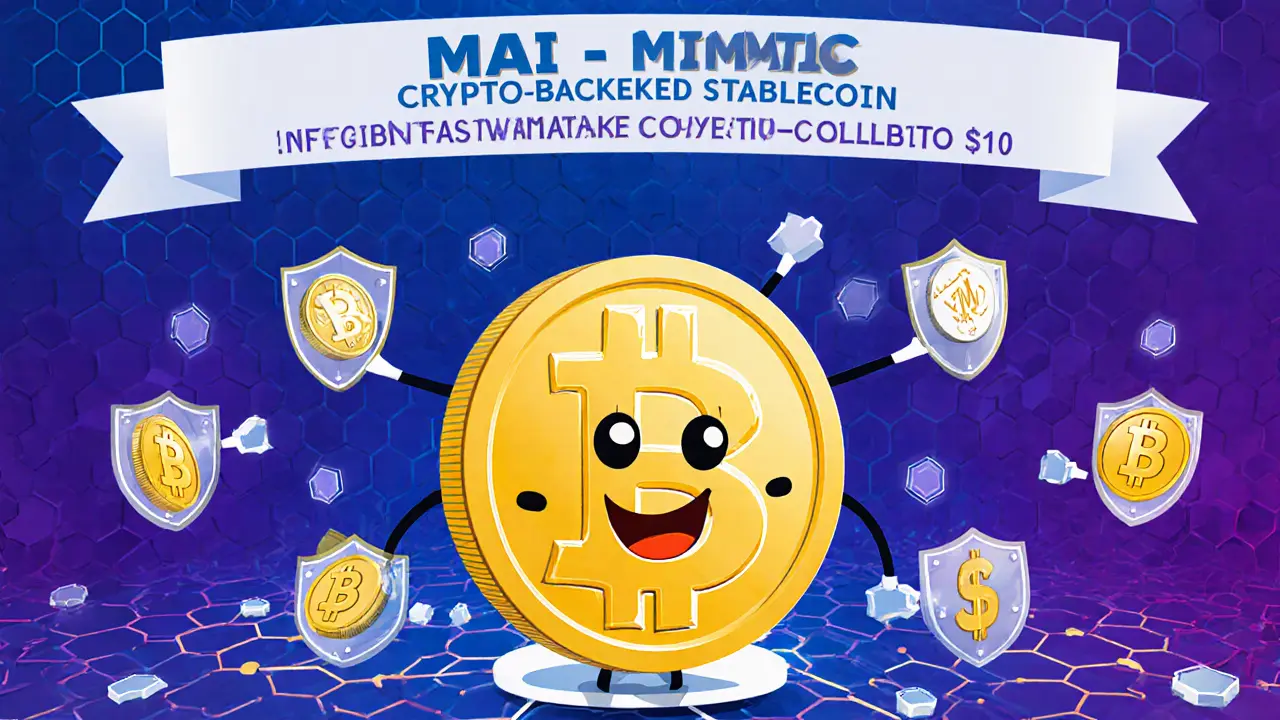
A clear, conversational guide to MAI (MIMATIC), the decentralized over‑collateralized stablecoin on Polygon-how it works, where to use it, risks, and future outlook.