


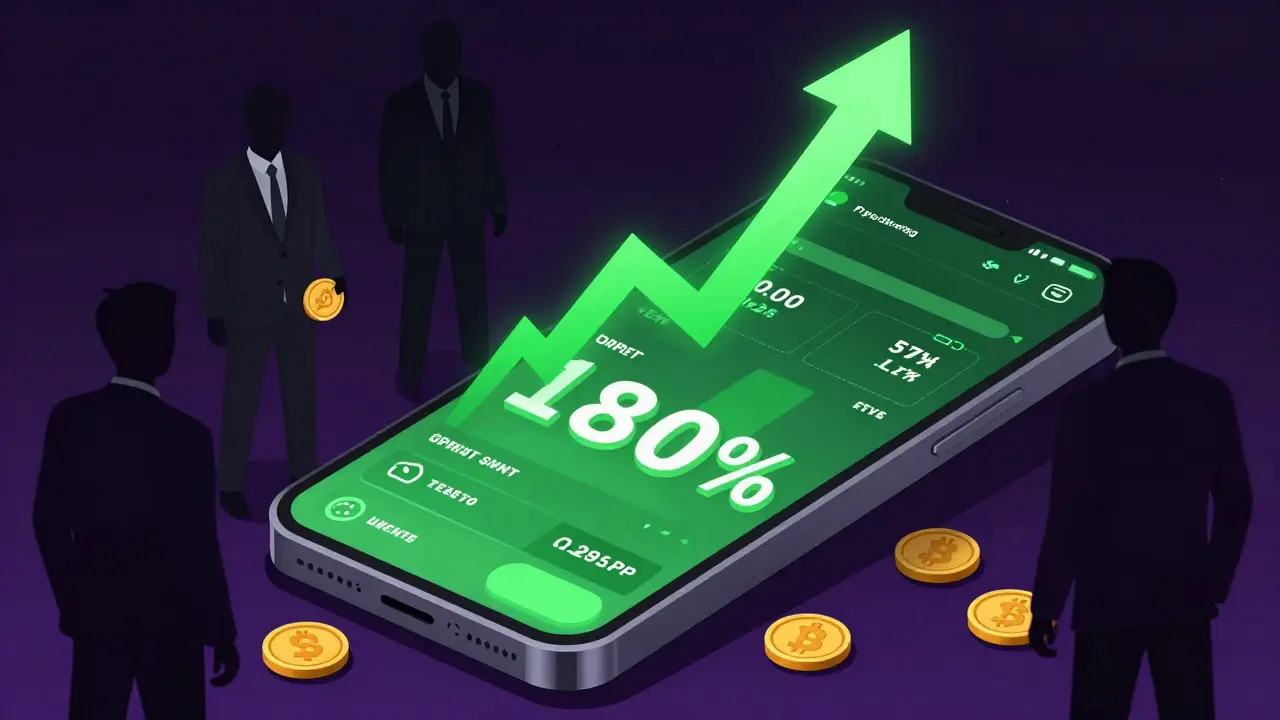
You see an ad promising massive returns. You sign up for Coinfinit, a cryptocurrency trading platform that has generated significant controversy and warnings from financial regulators worldwide. The dashboard looks sleek. The support chat replies instantly. But when you try to withdraw your funds, the buttons are greyed out. Or worse, they ask you to pay more money first.
If this sounds familiar, you aren't alone. In 2026, platforms like CoInfinit have become a textbook example of what we call "pig-butchering" scams or high-yield investment fraud. This isn't a review of features in the traditional sense because there are no real trading features to review. This is a survival guide. We are going to break down exactly how CoInfinit operates, why it lacks regulatory oversight, and how to protect yourself if you have already deposited funds.
The Reality Behind the Brand
When you search for a legitimate crypto exchange, a regulated digital marketplace where users can buy, sell, and trade cryptocurrencies securely, you expect transparency. You expect to see who owns the company, where their servers are located, and which government agency regulates them. With CoInfinit, none of that exists.
CoInfinit does not hold licenses from major financial authorities like the SEC, the U.S. Securities and Exchange Commission responsible for protecting investors and maintaining fair markets (United States), the FCA, the UK Financial Conduct Authority that regulates financial services firms (UK), or even the FMA, the Financial Markets Authority of New Zealand overseeing market integrity here in Wellington. A quick check of these public registries confirms zero registration for CoInfinit.
This lack of regulation is not an oversight; it is a red flag. Legitimate exchanges operate under strict Anti-Money Laundering (AML) and Know Your Customer (KYC) laws. They report suspicious activity. CoInfinit operates in the shadows, often using offshore shell companies to hide its true operators. When a platform refuses to show its legal identity, it is usually because those identities belong to individuals with criminal records or non-existent entities.
How the CoInfinit Trap Works
Understanding the mechanics of the scam helps you recognize it before you lose money. The process typically follows a predictable pattern known as social engineering.
- The Hook: You might meet someone on a dating app, WhatsApp, or Telegram. They seem charming and successful. Over weeks, they build trust. Then, casually, they mention they are making great profits trading crypto on CoInfinit.
- The Onboarding: They send you a link. The website looks professional, mimicking the design of trusted giants like Binance or Coinbase. You deposit a small amount-maybe $100 or $500.
- The Bait: To keep you hooked, they let you withdraw that initial amount. The balance on your screen shows huge gains. Your heart races. You think you've found the holy grail of investing.
- The Squeeze: Encouraged by the fake profits, you deposit thousands. Maybe you borrow money. You move life savings into the account. The numbers on the screen continue to climb.
- The Wall: When you try to withdraw your large sum, things go wrong. "System maintenance." "Insufficient liquidity." Or the most common tactic: "You must pay a tax fee" or "security deposit" to release your funds.
This is not a glitch. It is the entire business model. The money you deposited never entered the real cryptocurrency market. It went directly into the scammers' personal wallets. The numbers you see on the CoInfinit dashboard are just code manipulated by the backend administrators. You are playing a video game where the score doesn't translate to real value.
Red Flags That Define CoInfinit
If you are evaluating whether CoInfinit is safe, look at these specific attributes. These are the hallmarks of fraudulent platforms operating in 2026.
| Feature | Legitimate Exchange (e.g., Coinbase, Kraken) | CoInfinit |
|---|---|---|
| Regulatory Status | Licensed by SEC, FCA, MAS, etc. | No verifiable license; often unregistered |
| Withdrawal Process | Instant or within 24-48 hours; clear fees | Blocked indefinitely; demands extra "taxes" or "fees" |
| Customer Support | Email tickets, verified phone lines, live chat with IDs | Only via Telegram/WhatsApp; anonymous agents |
| User Reviews | Mixed but authentic on Trustpilot, Reddit, Twitter | Fake 5-star reviews; negative reports of theft |
| Profit Claims | Variable market returns; no guarantees | Promises fixed daily returns (e.g., 1-3% daily) |
Notice the profit claims. No legitimate financial instrument guarantees a fixed daily return. If someone could make 1% every day risk-free, they would not need your money. They would be billionaires. The fact that they are recruiting you means they need new victims to pay off previous ones-a classic Ponzi scheme structure.
The Withdrawal Nightmare
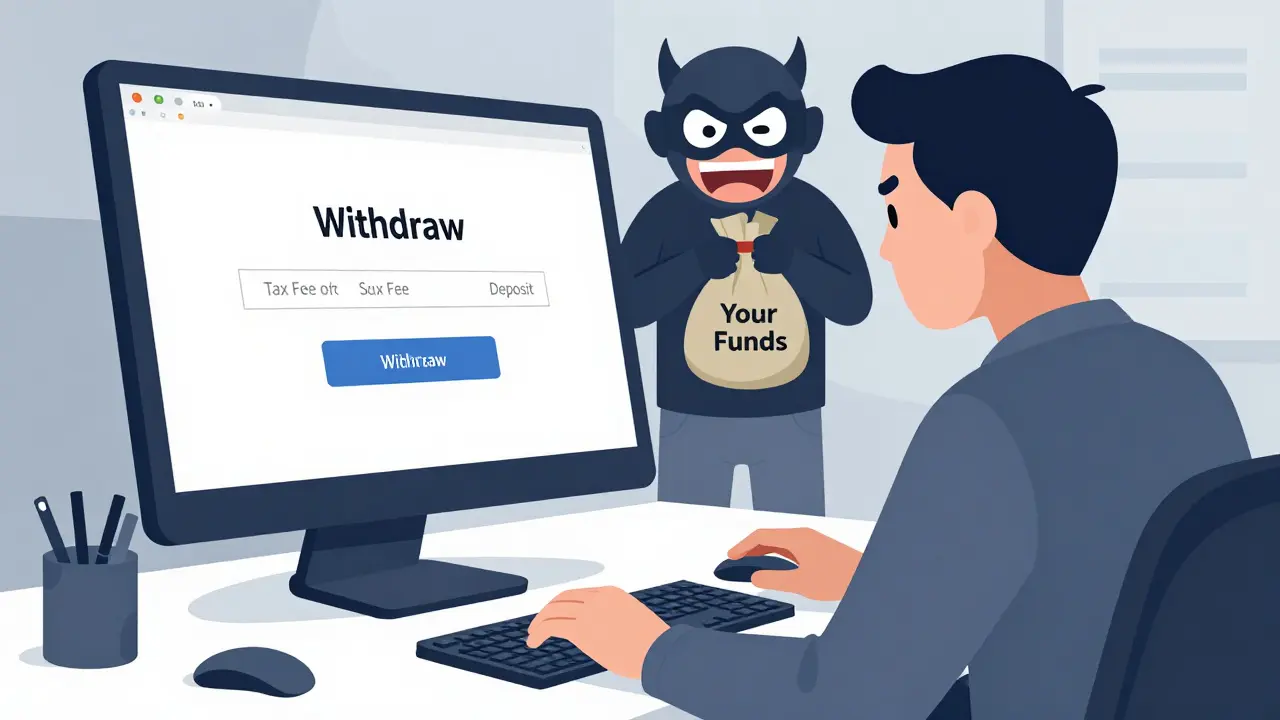
The most painful part of the CoInfinit experience is the withdrawal phase. Users report being told they owe "income tax," "stamp duty," or "account verification fees" ranging from 10% to 30% of their total balance.
Here is the hard truth: Do not pay these fees.
Legitimate exchanges deduct taxes or fees automatically from your existing balance. They do not ask you to send fresh cash to a separate wallet address to unlock your funds. Once you send that second payment, the scammers will invent another reason. Perhaps now you need to pay for "VIP status" or "liquidity injection." There is no end to the requests because the goal is to extract every last dollar from you before disappearing.
In many cases, once the victim realizes they cannot pay more, the scammers block their access entirely. The account vanishes. The Telegram contact goes silent. The website may even shut down and reappear under a new name next week.
What To Do If You Are Trapped
If you have lost money to CoInfinit, time is critical. While recovery is difficult, immediate action can sometimes help.
- Stop All Communication: Do not engage further with the "support" team. They are trained manipulators designed to keep you hopeful while they drain your account.
- Gather Evidence: Take screenshots of everything. Transaction hashes (TXIDs), chat logs, bank transfer receipts, and the URL of the site. Save these locally and in the cloud.
- Contact Your Bank: If you funded the account via credit card or bank transfer, call your bank immediately. Report it as fraud. Ask for a chargeback. While crypto transactions are irreversible, the fiat entry point might still be recoverable if caught early.
- Report to Authorities: File a report with your local police and national cybercrime unit. In the US, use the FBI's IC3. In the UK, report to Action Fraud. In New Zealand, contact the Police Cyber Crime Unit. Provide all evidence.
- Warn Others: Post about your experience on forums like Reddit’s r/Scams or Trustpilot. This helps prevent others from falling into the same trap.
Safer Alternatives for Trading
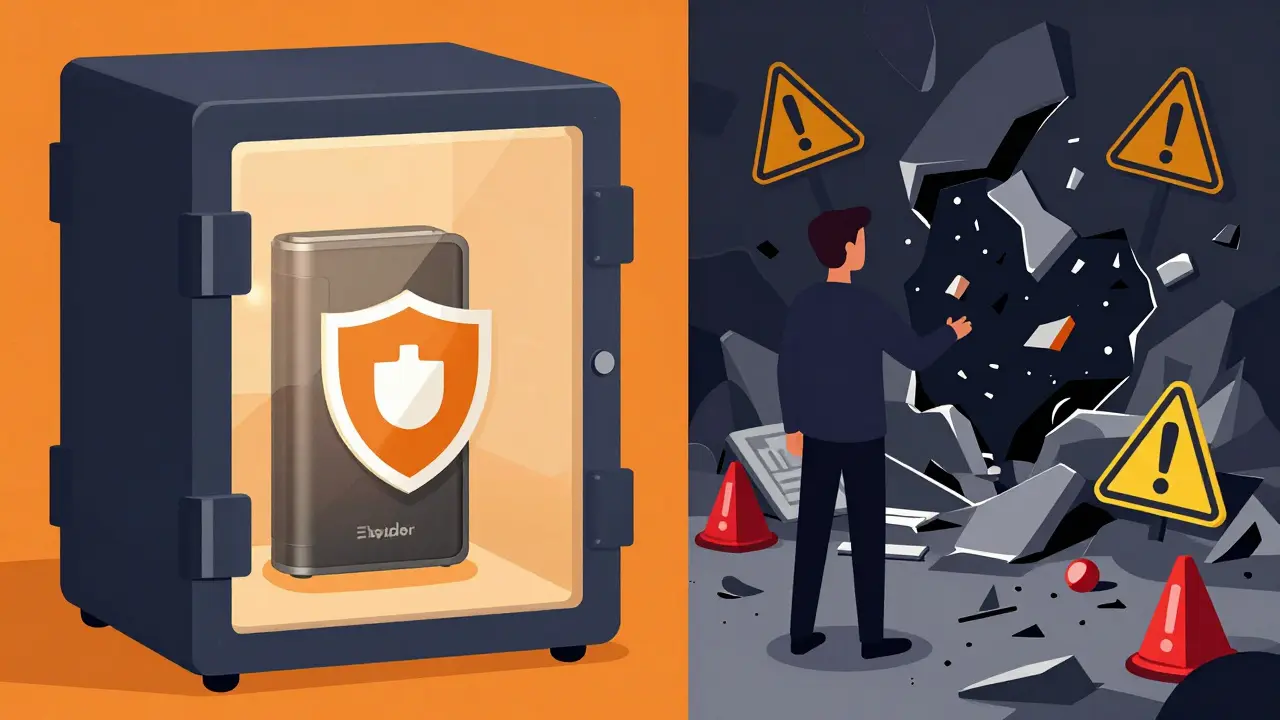
There is no reason to use an unregulated platform like CoInfinit when secure, licensed alternatives exist. For beginners and experienced traders alike, sticking to established names reduces risk significantly.
Coinbase, one of the largest regulated cryptocurrency exchanges in the world, publicly traded on NASDAQ offers strong security and insurance for US customers. Kraken, a veteran crypto exchange known for robust security protocols and low fees provides advanced tools for serious traders. For users in Europe, Binance, the world's largest crypto exchange by volume, though facing various regulatory challenges globally remains popular despite recent compliance efforts. Always verify that the exchange you choose is registered in your jurisdiction.
Self-custody is another powerful option. Using a hardware wallet like Ledger, a manufacturer of hardware wallets for securing cryptocurrency private keys offline or Trezor, another leading brand in hardware cryptocurrency wallets offering cold storage solutions ensures that only you control your assets. Not your keys, not your coins.
Conclusion: Stay Vigilant
Coinfinit is not a crypto exchange. It is a theft operation disguised as one. The allure of easy money is powerful, but the reality is devastating. By understanding the tactics used by these scammers-the fake profiles, the guaranteed returns, the withdrawal fees-you can protect yourself and your loved ones.
In the world of cryptocurrency, skepticism is your best defense. If an offer seems too good to be true, it is almost certainly a lie. Stick to regulated platforms, enable two-factor authentication, and never share your private keys. Your financial security depends on it.
Is CoInfinit a legitimate crypto exchange?
No, CoInfinit is widely considered a fraudulent platform. It lacks regulatory licenses from any major financial authority, uses deceptive marketing tactics, and has numerous user reports of withheld withdrawals and stolen funds.
Can I withdraw my money from CoInfinit?
Most users cannot withdraw their funds. The platform typically blocks withdrawals or demands additional "fees" or "taxes" that must be paid upfront. Paying these fees rarely results in receiving your original deposit back.
Who owns CoInfinit?
The ownership of CoInfinit is intentionally obscured. There is no verifiable corporate entity, physical address, or public leadership team associated with the platform, which is a common trait of scam operations.
What should I do if I sent money to CoInfinit?
Immediately stop all communication with the platform. Contact your bank to attempt a chargeback if you used a card or wire transfer. Gather all evidence (screenshots, transaction IDs) and report the fraud to your local law enforcement and cybercrime units.
Are there safe alternatives to CoInfinit?
Yes, stick to well-known, regulated exchanges such as Coinbase, Kraken, or Binance (depending on your region). Always verify that the exchange holds valid licenses in your country and consider using hardware wallets for long-term storage.



People Comments
Oh look, another 'survival guide' for people who can't read a URL. If you're dumb enough to trust a random guy on Telegram with your life savings, I genuinely don't have the energy to explain why that's a bad idea. It's not rocket science.
The regulatory arbitrage employed by these entities is quite sophisticated in its simplicity. They leverage jurisdictional blind spots to operate without oversight from bodies like the SEC or FCA. The lack of KYC/AML compliance isn't just a red flag; it's a fundamental structural defect that renders the platform illegitimate from inception. One must scrutinize the underlying ledger transparency before engaging with any such digital asset exchange.
Hey everyone! Let's stay positive but also super careful out there! Crypto is amazing when done right, but these pig-butchering scams are so sad. We need to look out for each other and share knowledge! Don't let greed cloud your judgment, friends! Always verify, always check licenses! You got this!
Sure, because nothing says 'trustworthy financial institution' like a website that looks like it was designed by a committee of teenagers in a basement. Classic. Just classic.
It is imperative that citizens exercise extreme caution. These fraudulent operations undermine the integrity of our financial systems. We must demand stricter enforcement and hold individuals accountable for their negligence in due diligence.
They aren't just stealing money; they are harvesting biometric data through those 'verification' selfies. The global surveillance apparatus uses these platforms to map social connections and financial vulnerabilities. Do not give them your face. They are building a database for something far worse than simple theft.
I mean, is it really a scam if you believed in it? Like, the universe provides what we manifest. Maybe CoInfinit is just a test of faith. But yeah, probably a scam lol. My bad.
I feel for anyone who lost money here. It's terrifying. But honestly, if someone DMs you on Instagram promising easy crypto gains, block them immediately. Protect your peace and your wallet.
hey guys just wanted to say be careful! i know crypto can be confusing but please check the licenses first. dont lose your hard earned cash. stay safe out there!
Look at this mess. Another unregulated shell company pretending to be an exchange. The sheer incompetence of the victims is staggering. They see 'crypto' and think 'get rich quick' instead of 'high risk asset class.' It’s pathetic. And now they’re crying about withdrawal fees. Should’ve read the terms of service.
Haha, wow! Who knew making money could be so complicated? Just kidding, seriously though, run away from this place! Don't be silly!
Why do people keep falling for this? It’s like watching a car crash in slow motion. I just want to help, but no one listens. It hurts my heart to see people get hurt. Can’t we all just get along and invest wisely?
This is why we need to ban all foreign crypto exchanges. They come in, steal our money, and leave. Total garbage. Stick to domestic banks only.
yeah i saw this coming from miles away. always check the url and the registration info. if its not clear its trash. hope everyone stays safe
You idiots really thought a website with broken english and fake reviews was legit? Pathetic. I told you all to use hardware wallets and cold storage. Now you cry. Typical.
Please remember that emotional manipulation is a key tactic here. Scammers build false intimacy to lower your defenses. If you feel pressured or confused, step back. Your safety is paramount. Reach out to support networks if you've been targeted.
America built the internet, yet we let these offshore thugs operate with impunity. Disgraceful. We need stronger borders for digital assets too.
So true! It's wild how many people still fall for this. Like, hello? Basic literacy skills exist. Use them.
I literally cannot believe people are still using these sites 😡🤬 It’s 2026 for crying out loud! Do your research! 📚💸 #ScamAlert
The masses are sheep. They follow the herd into slaughterhouses dressed as trading platforms. Only the elite understand real value. The rest can rot in their poverty.
It’s funny how ‘guaranteed returns’ is code for ‘we are going to rob you.’ But sure, keep believing the fairy tale. Maybe next time you’ll check the fine print.